From a nonprofit to a state institution:
Artpool became part of the Museum of Fine Arts ten years ago
The Artpool archive, founded by György Galántai and Júlia Klaniczay, operated for 10 years starting in 1979 as an illegal private institution, and then, under their leadership, has operated for nearly 25 years since 1992 as the Artpool Art Research Center, a nonprofit NGO relying on application-based grants.
Since the mid-2000s, budget cuts affecting Hungary’s nonprofit cultural sector and mounting financial difficulties have made the future increasingly uncertain for this institution—which enjoys great international recognition and houses a vast collection of works and documents by Hungarian and foreign artists representing alternative, avant-garde movements and new media, and serving as Central and Eastern Europe’s most significant archive in this field.
The Center’s situation was resolved in a reassuring manner in 2015, when the Artpool Center for Art Research joined the Museum of Fine Arts as an independent department.
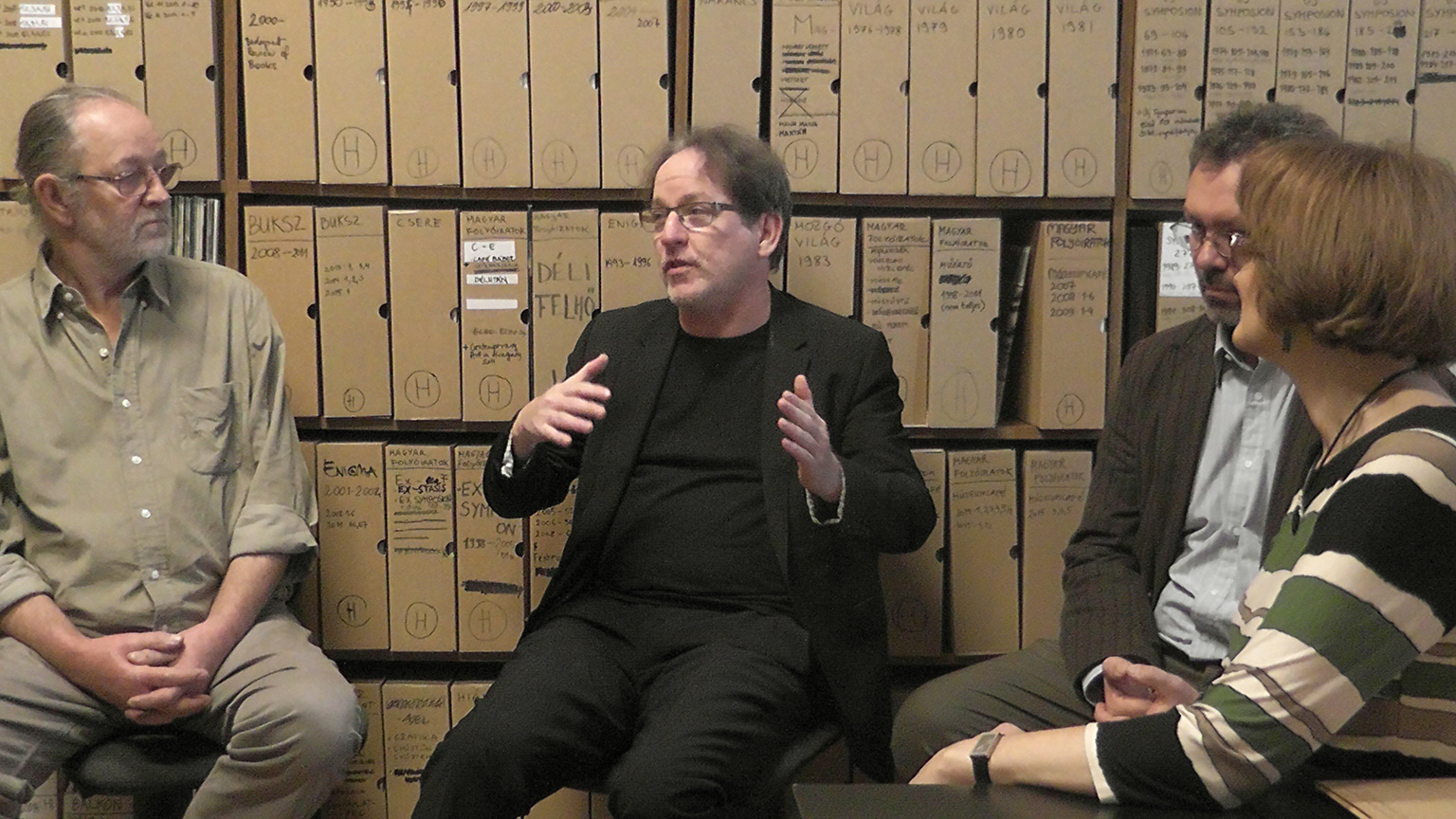
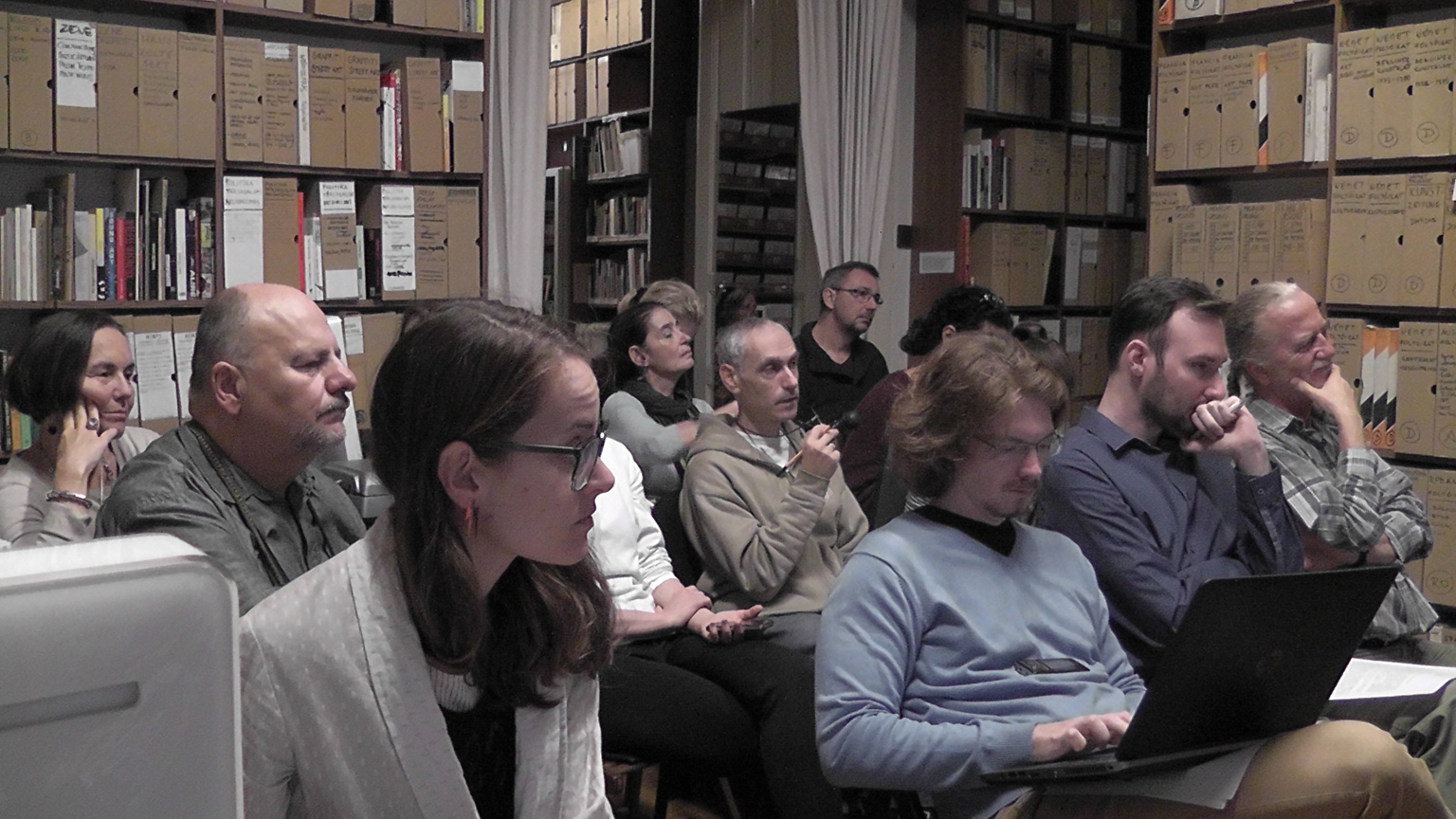
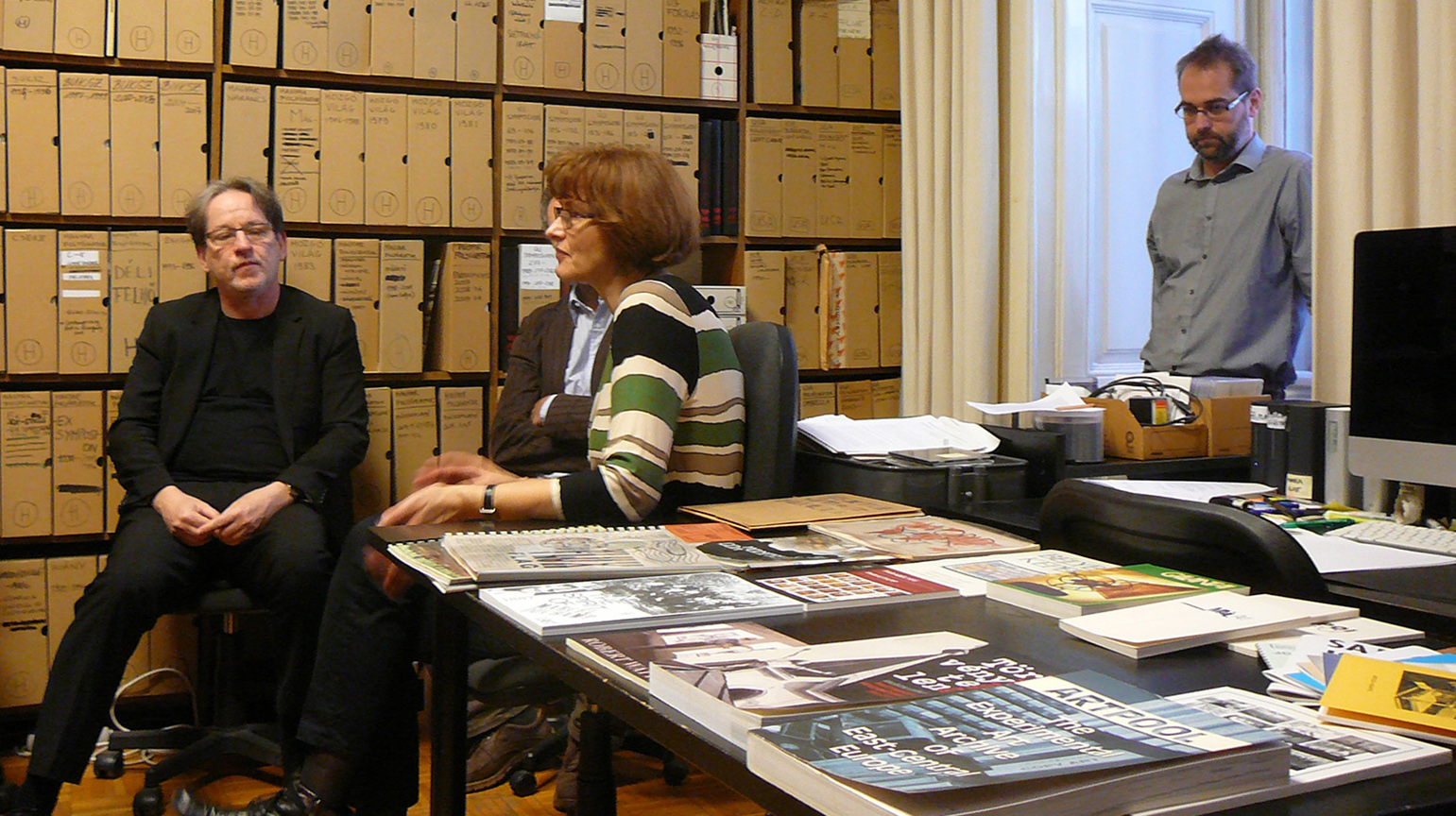
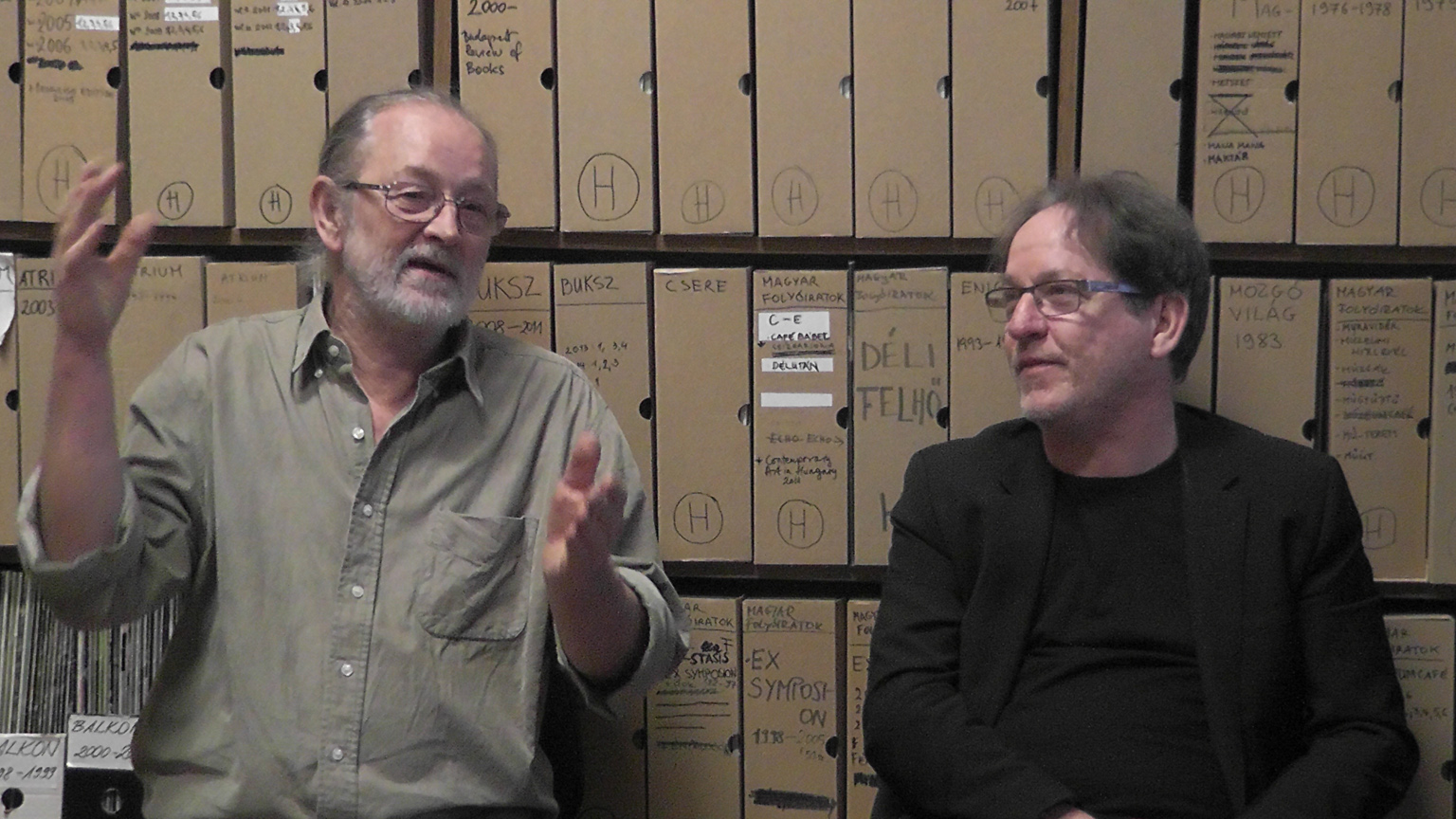
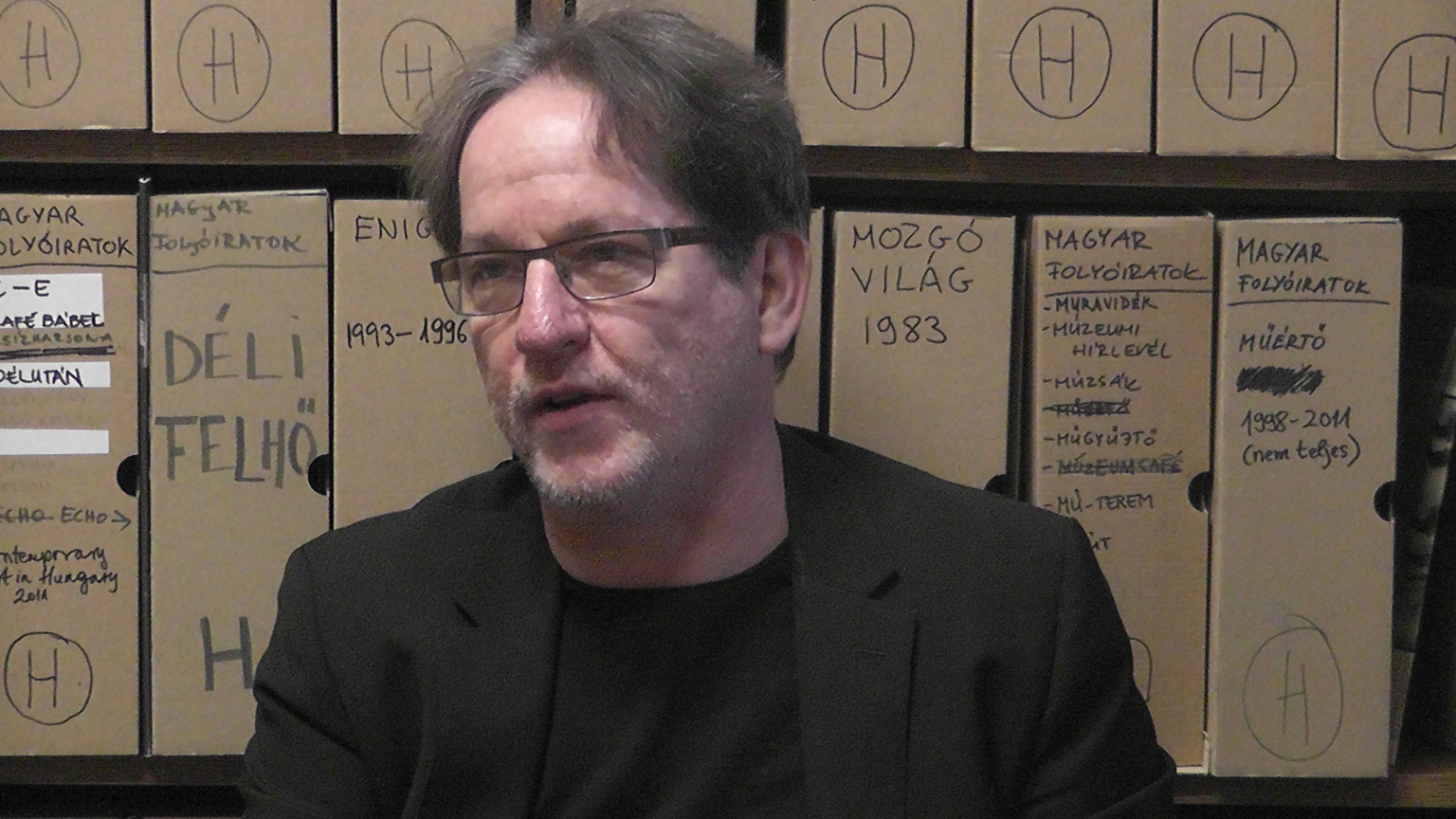
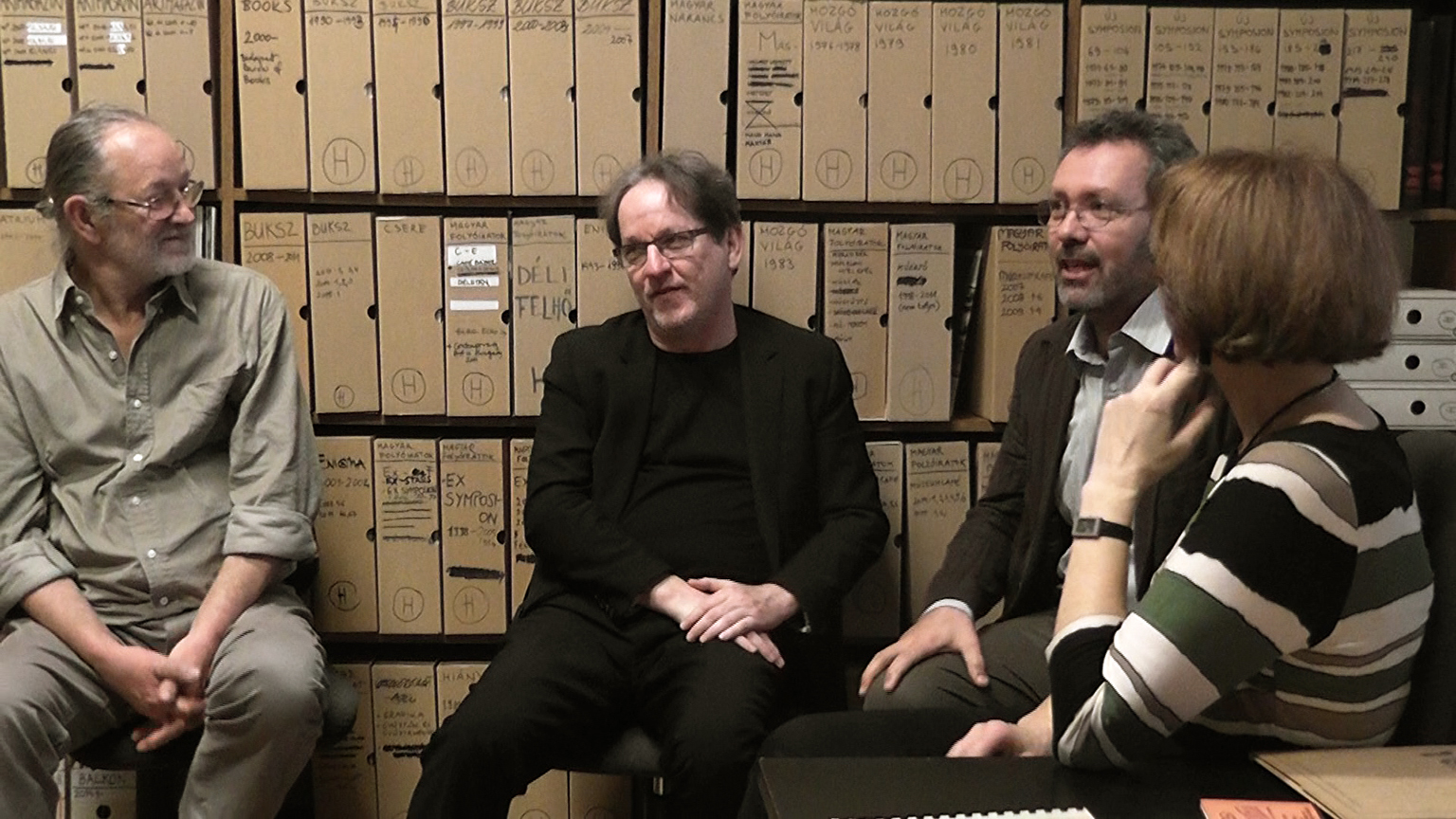
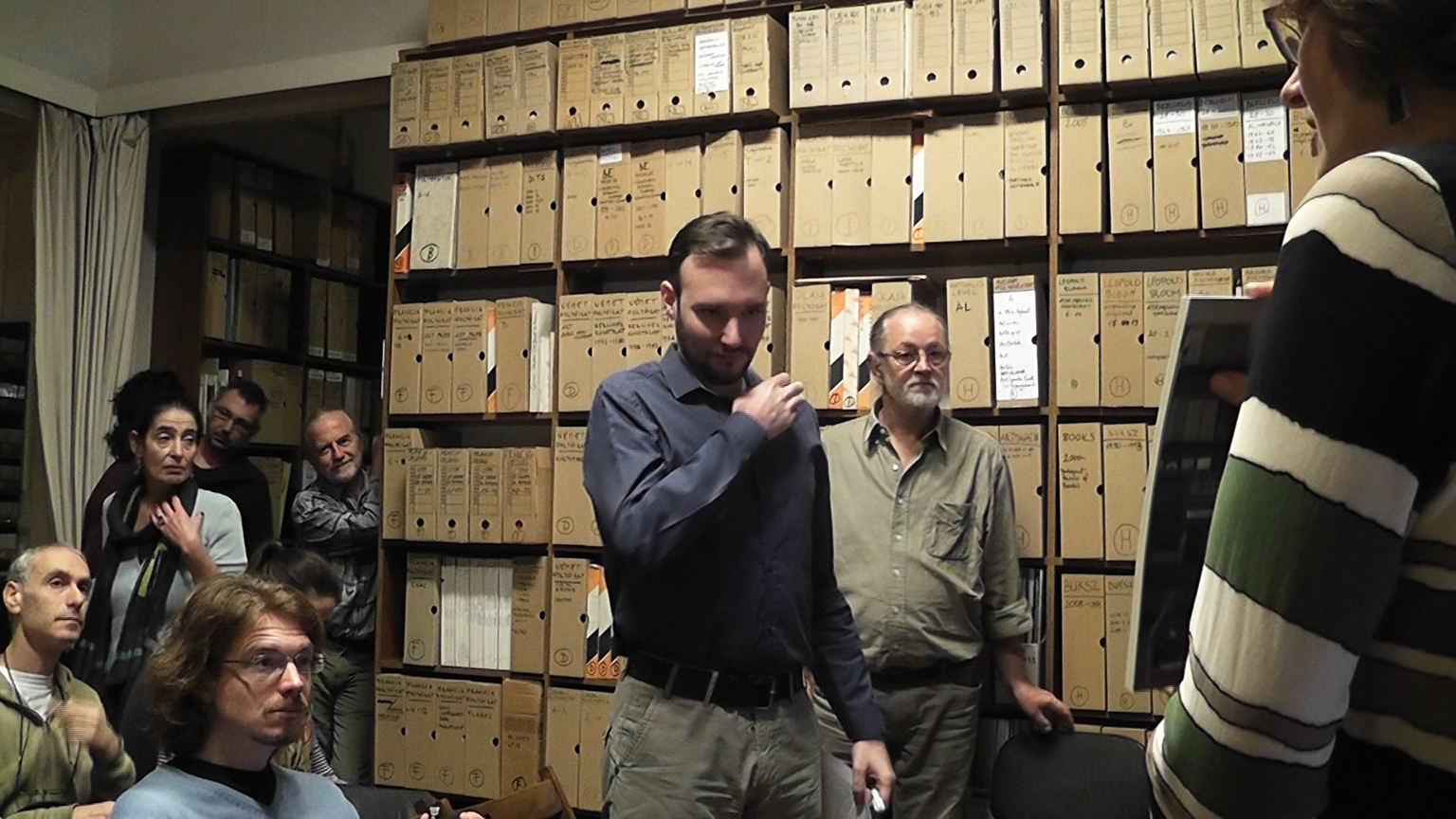
The public was informed of the decision 10 years ago, on November 18, 2015, at a press conference held at Artpool by László Baán, Director General of the Museum of Fine Arts, and Júlia Klaniczay, Executive Director and co-founder of Artpool.
Press Conference on the Artpool Art Research Center’s Joining the Museum of Fine Arts,
Artpool Art Research Center, November 18, 2015.
Participants: László Baán (Director General of the Museum of Fine Arts – Hungarian National Gallery), Júlia Klaniczay and György Galántai (founders of the center), and András Müllner (Associate Professor, Department of Media and Communication, ELTE).
Camera: Dóra Halasi
Numerous articles and news reports have covered this welcome development regarding Artpool.
Here are a few articles (in Hungarian) that are still available online today:
https://magyarnemzet.hu/kulturgrund/2015/11/uj-otthonra-lelhet-az-artpool
http://epiteszforum.hu/az-omrrk-ba-koltozik-az-artpool-muveszetkutato-kozpont
https://www.artmagazin.hu/archive/3172
https://exindex.hu/hu/hirek/artpool-jovo/
https://www.magyarhirlap.hu/kultura/Tobb_mint_egy_jol_mukodo_archivum
Background
Extensive information on the history of Artpool, its underground past, and its operation as a public nonprofit institution since 1992 can be found in the following publication:
ARTPOOL - The Experimental Art Archive of East-Central Europe
(History of an active archive for producing, networking, curating, and researching art since 1970)
as well as on the pages of our website, artpool.hu, which provide detailed overviews of specific years.
For the founders of Artpool, the first sign that the nonprofit operation—which had long seemed sustainable, albeit challenging—was becoming unsustainable in the long term came in 2005, when funding problems threatened to shut it down.
For more on this, see the event page for "AID CONCEPT - a festival for the preservation of the documents of underground art.
The year 2005 marked the turning point when hopes for the long-term sustainability of the not-for-profit operation faded, and from that point on, Artpool’s leaders set out to find a host institution that would ensure the secure preservation of the archive and enable the continuation of its previous operations.
It was then that the Museum of Fine Arts came into the picture, the leadership of which was taken over in 2004 by László Baán, who had known Artpool for a long time.
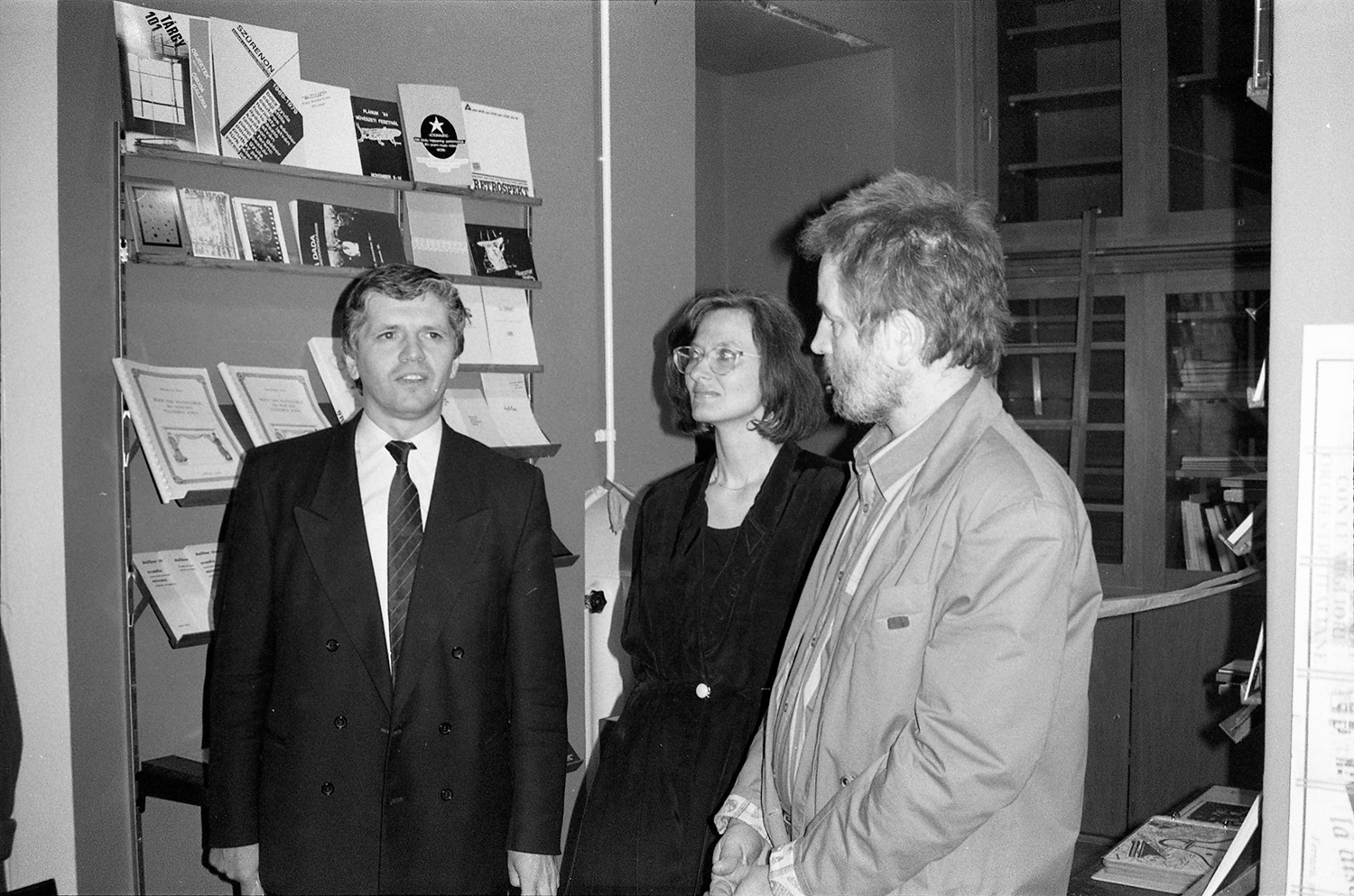
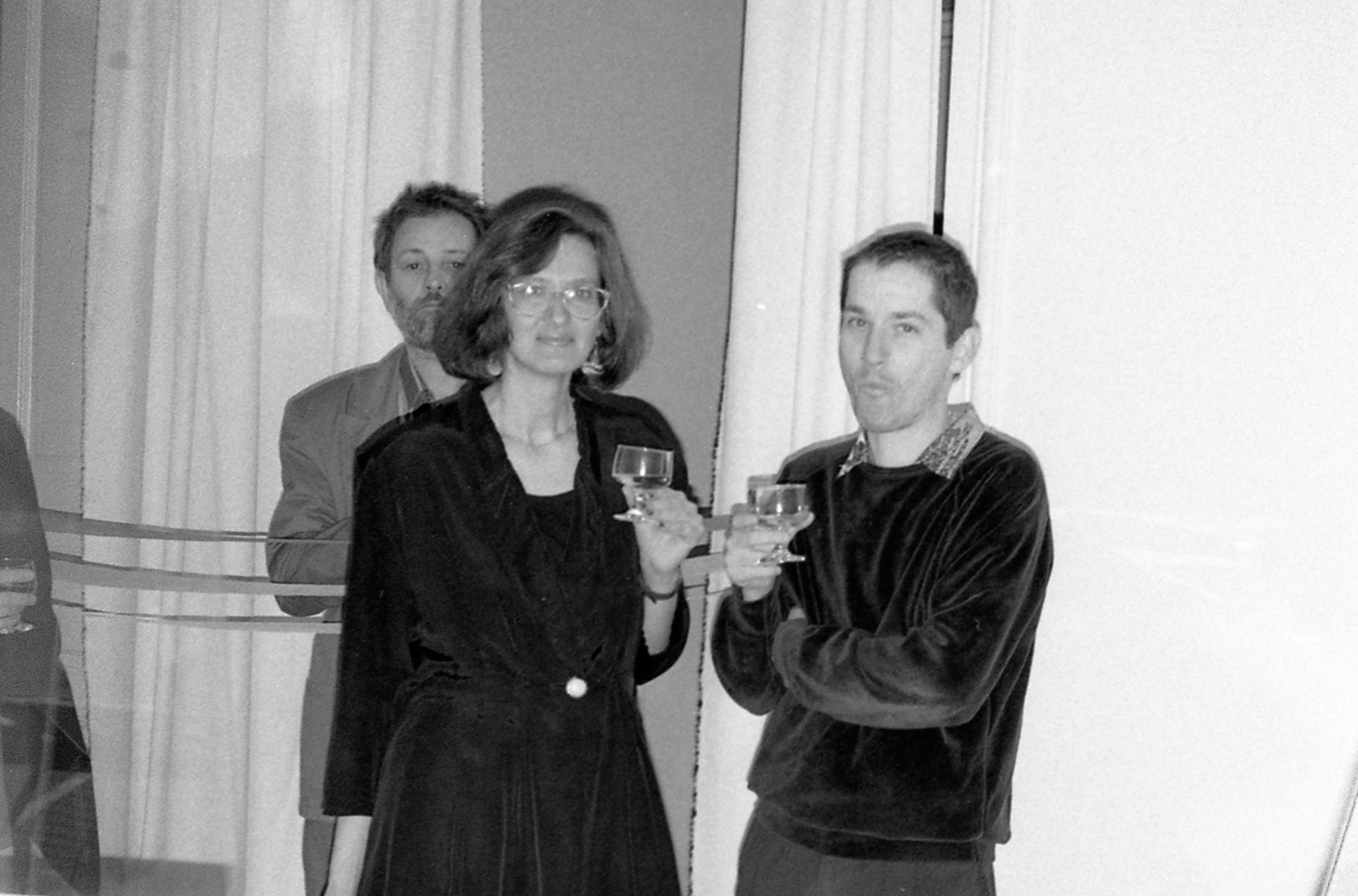
In 1992, László Baán—in his position as Chairman of the Budapest Cultural Committee—attended the opening ceremony of the Artpool Art Research Center, which was inaugurated with the assistance of Deputy Mayor Miklós Marschall, and in the years that followed, while holding various government posts, he continued to support Artpool’s activities.
Starting in December 2005, László Baán, already as the director general of the Museum of Fine Arts, expressed his willingness to consider hosting the Artpool Art Research Center and its collections.
This solution was strongly endorsed by Judit Geskó, then head of the Museum of Fine Arts’ “Post-1800 Collection” and a member of Artpool’s supervisory board.
The professional documentation laying the groundwork for the long-term inclusion was compiled by Márton Orosz (later director of the Vasarely Museum) and was also supported by Andrea Czére, then deputy director of research at the Museum of Fine Arts.
From that point on, discussions and consultations with the Museum of Fine Arts regarding possible solutions continued for years, and it was within this framework that a major joint exhibition featuring Artpool’s world-famous collection of artist stamps was organized in 2007.
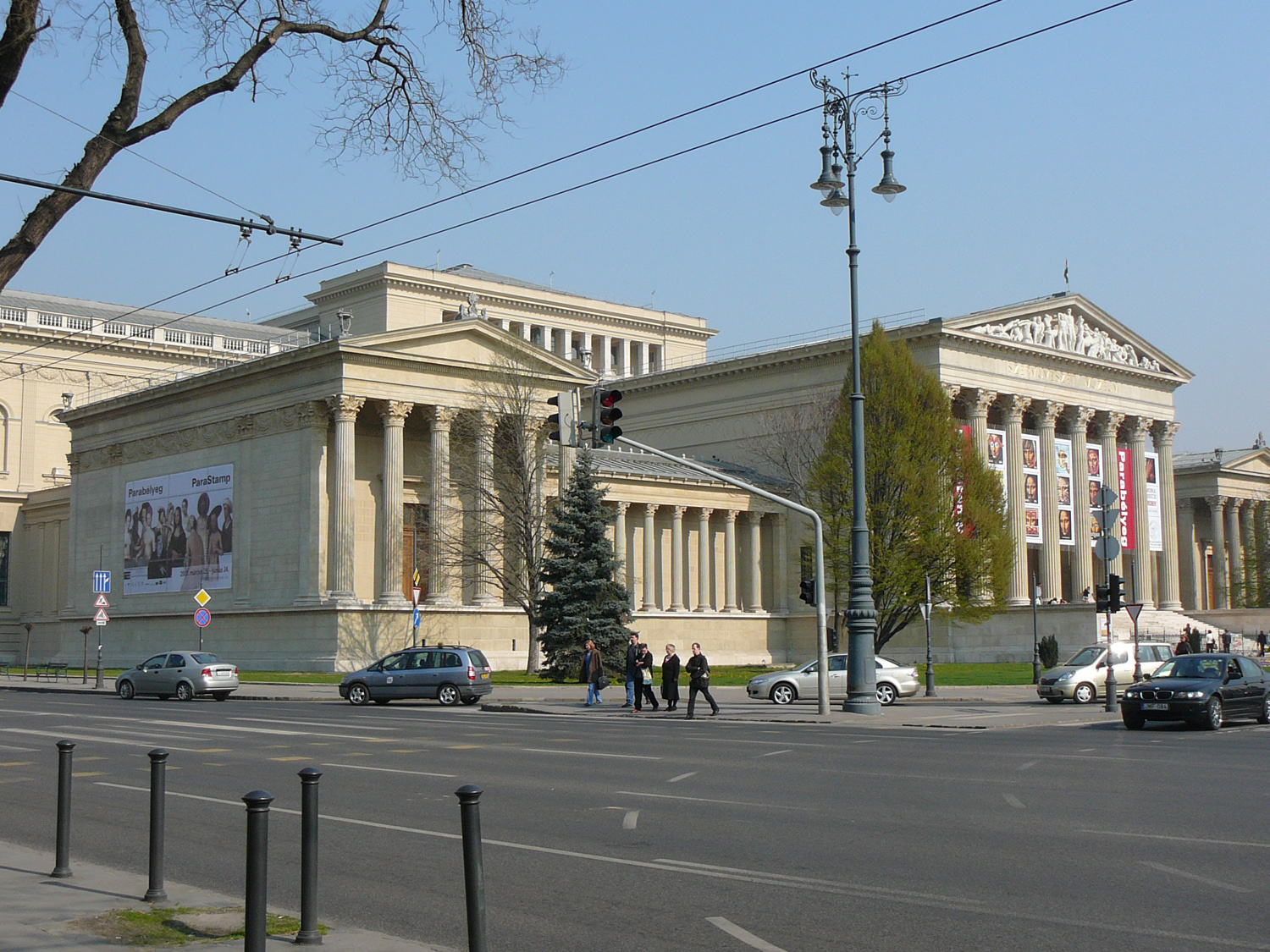
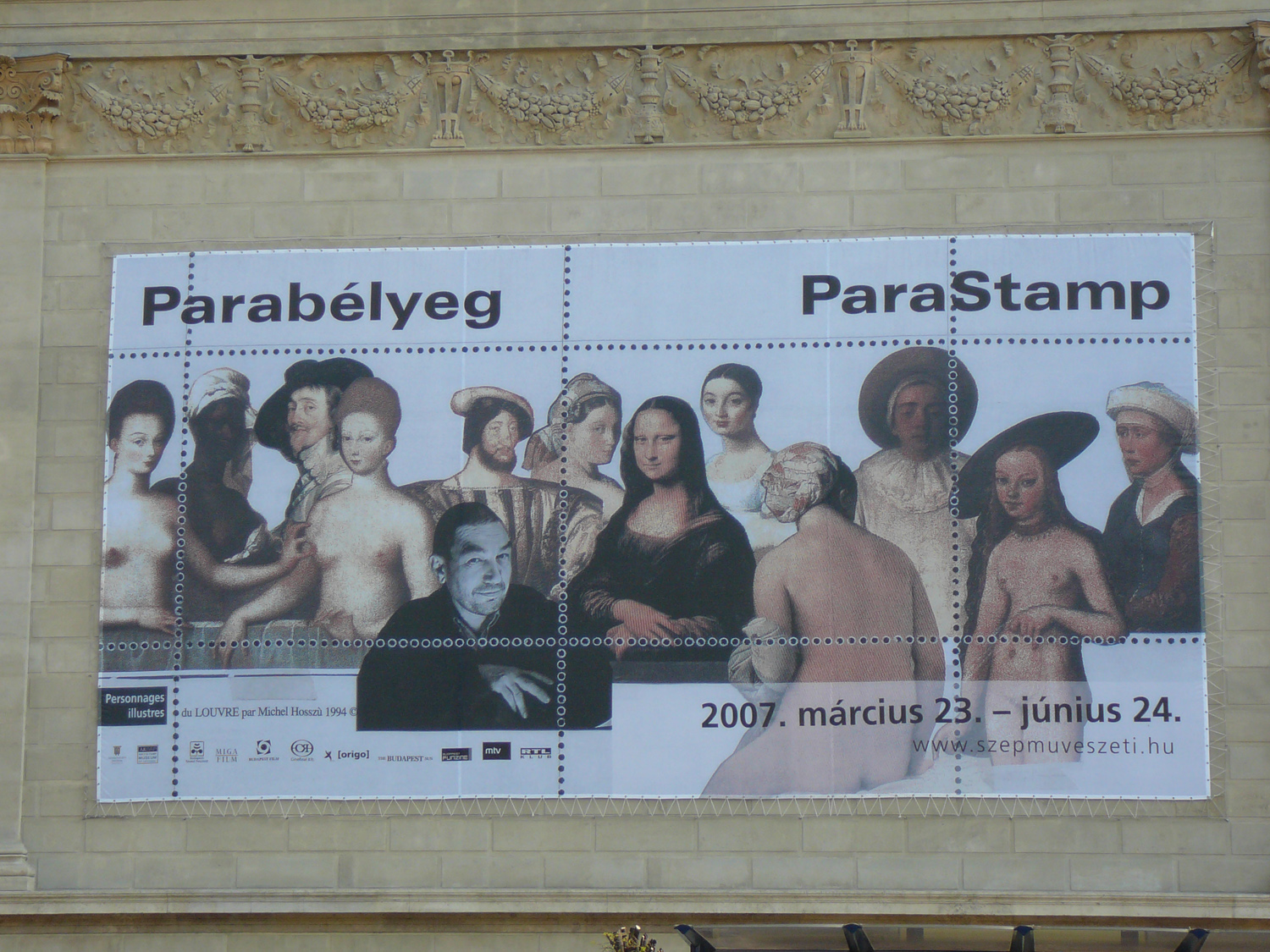
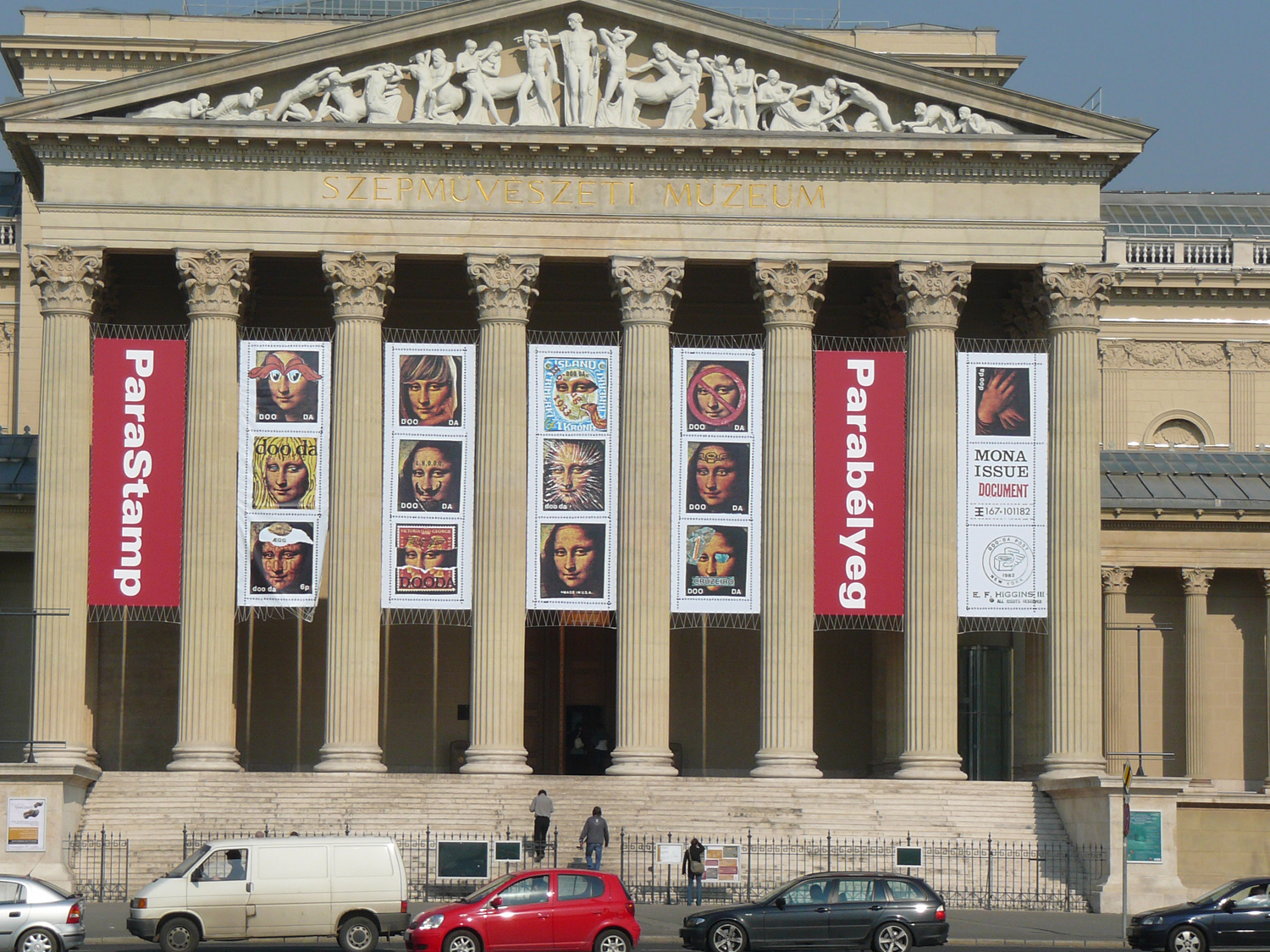
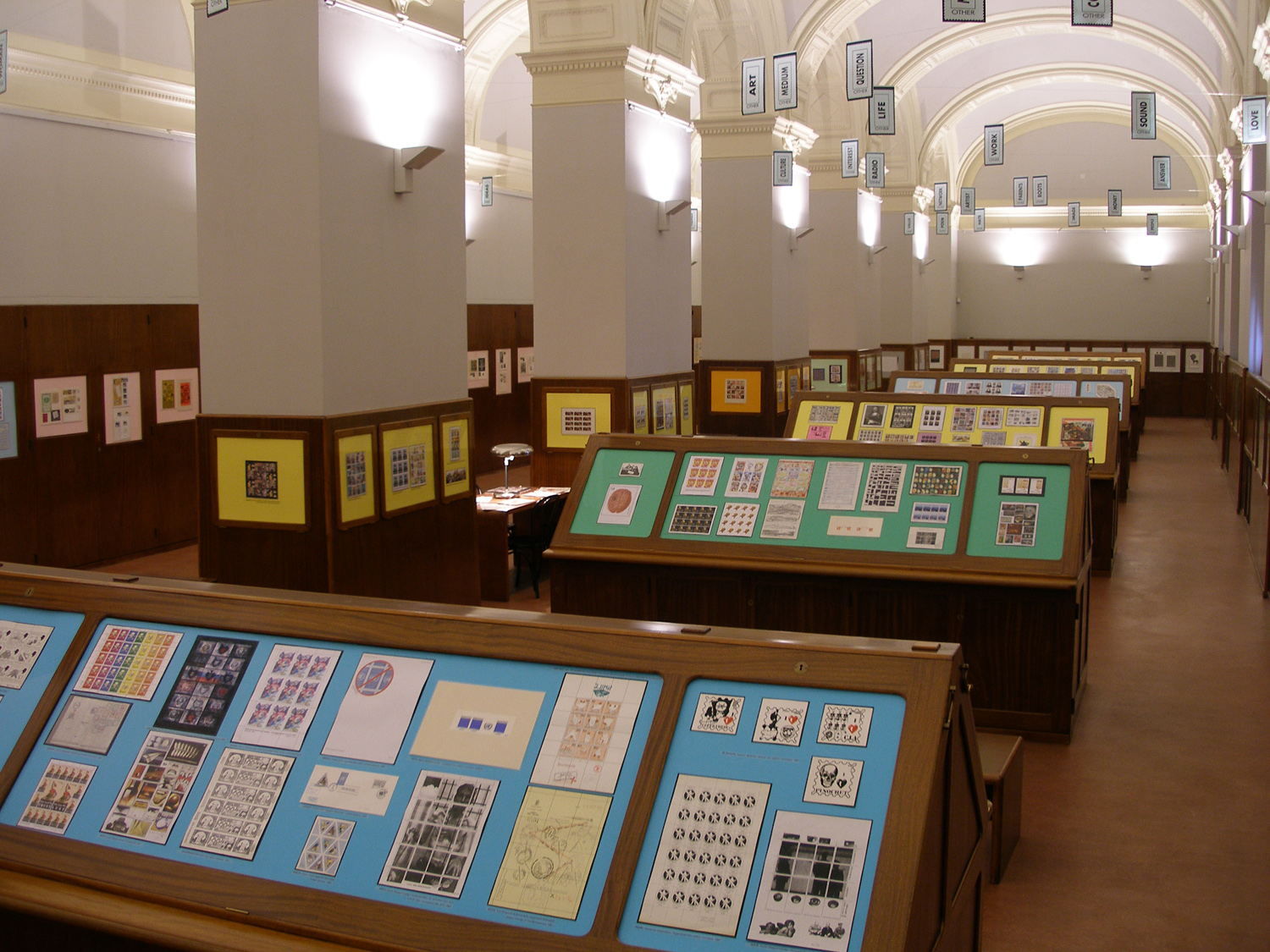
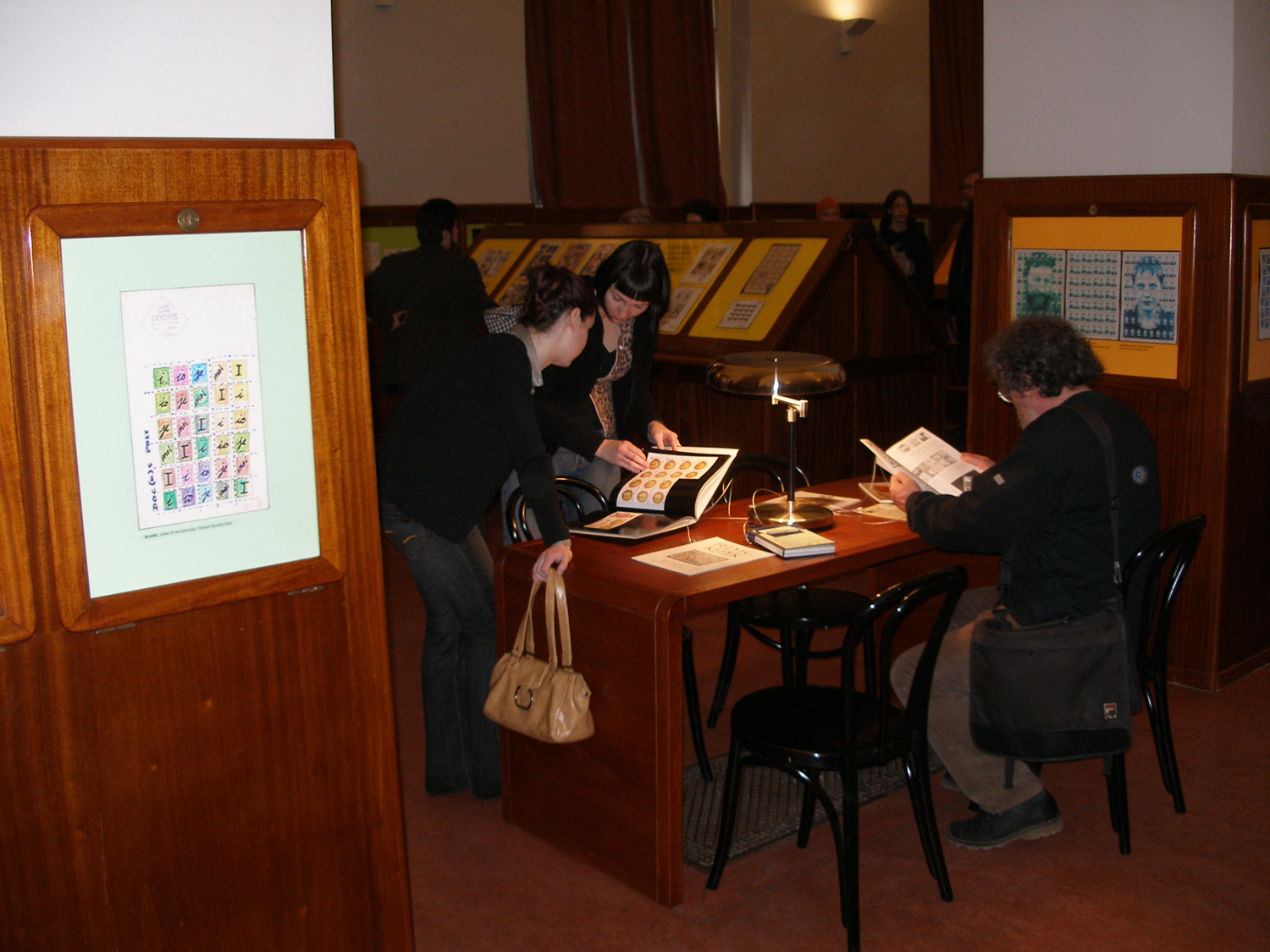
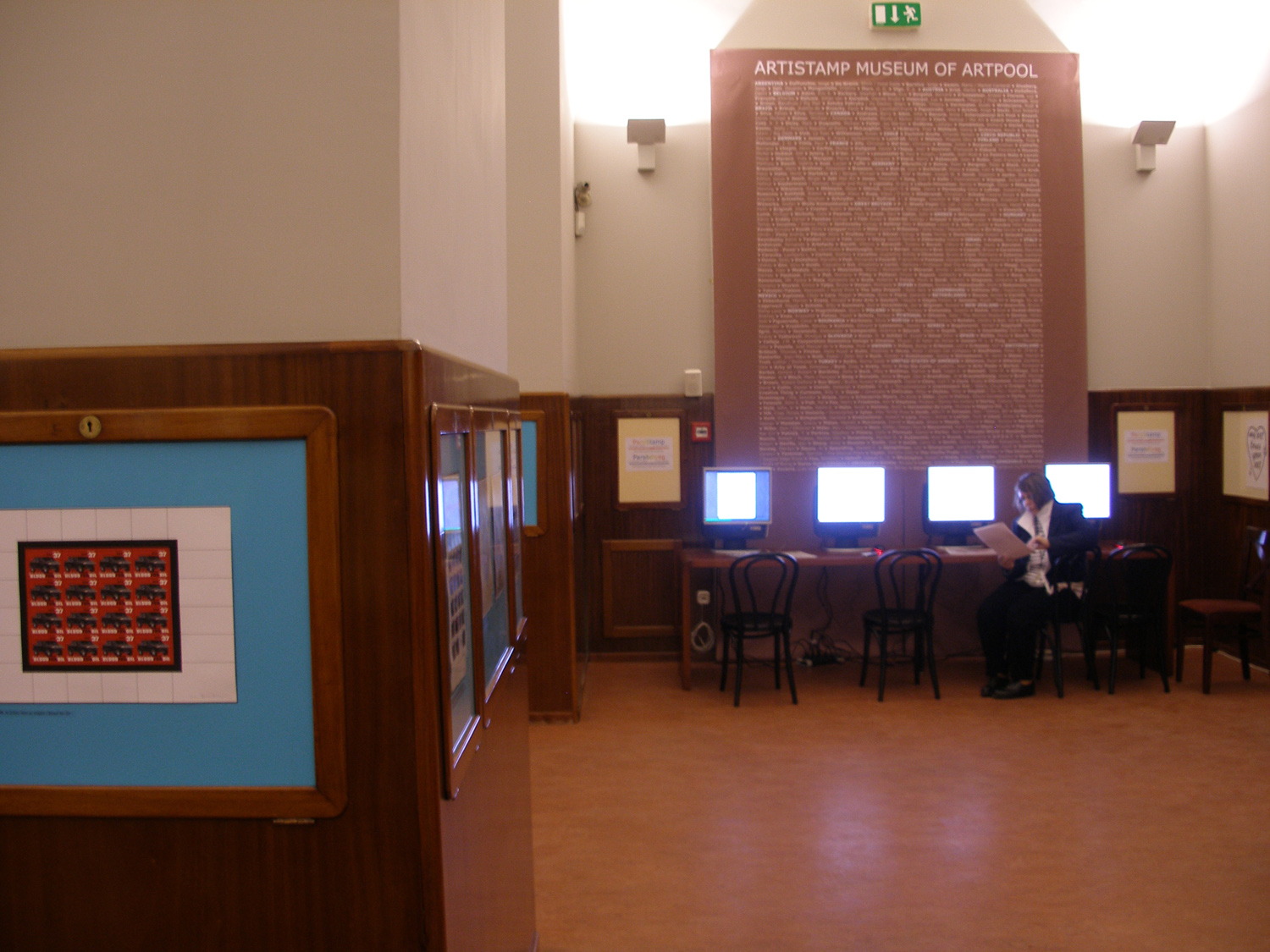
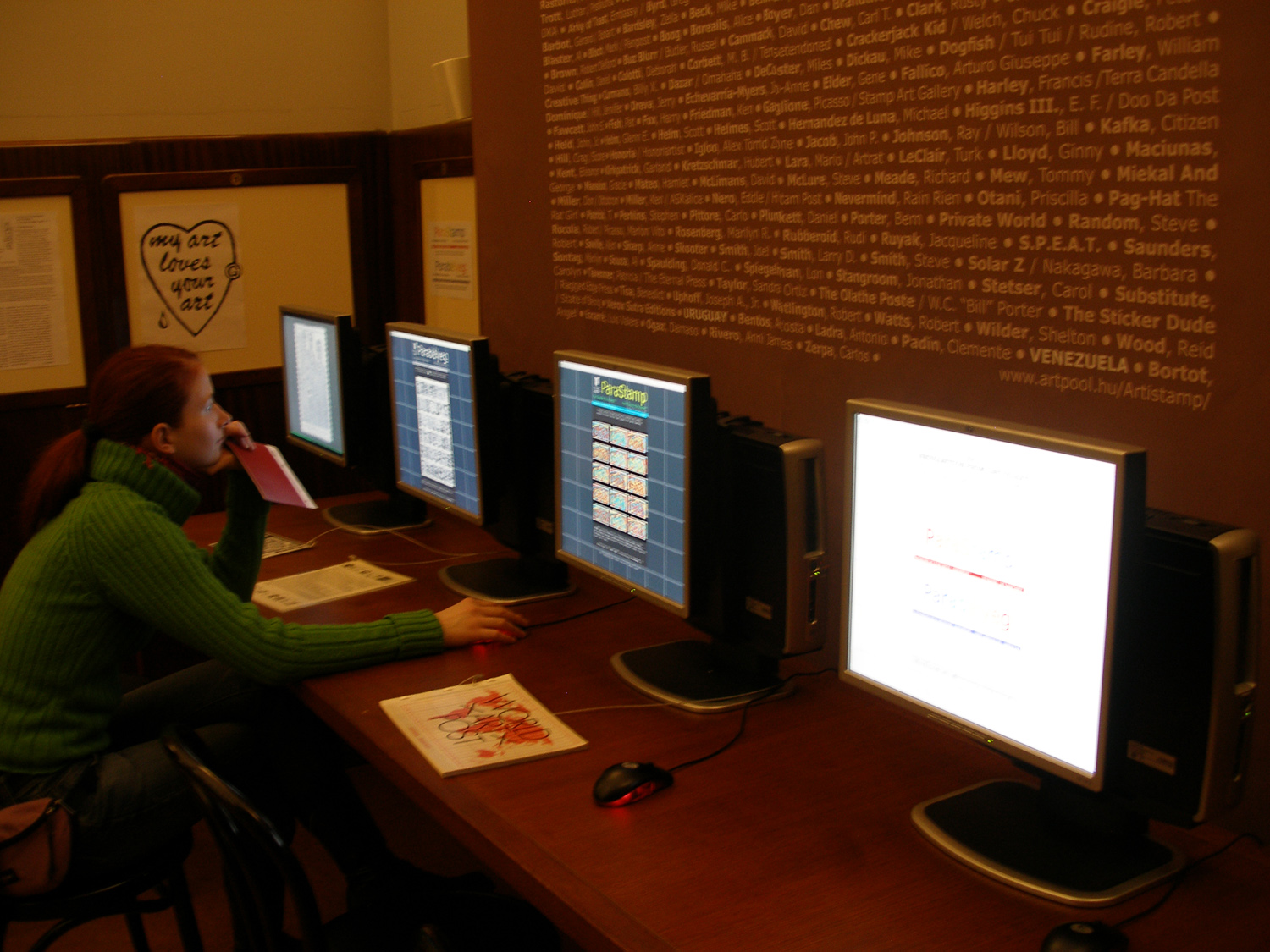
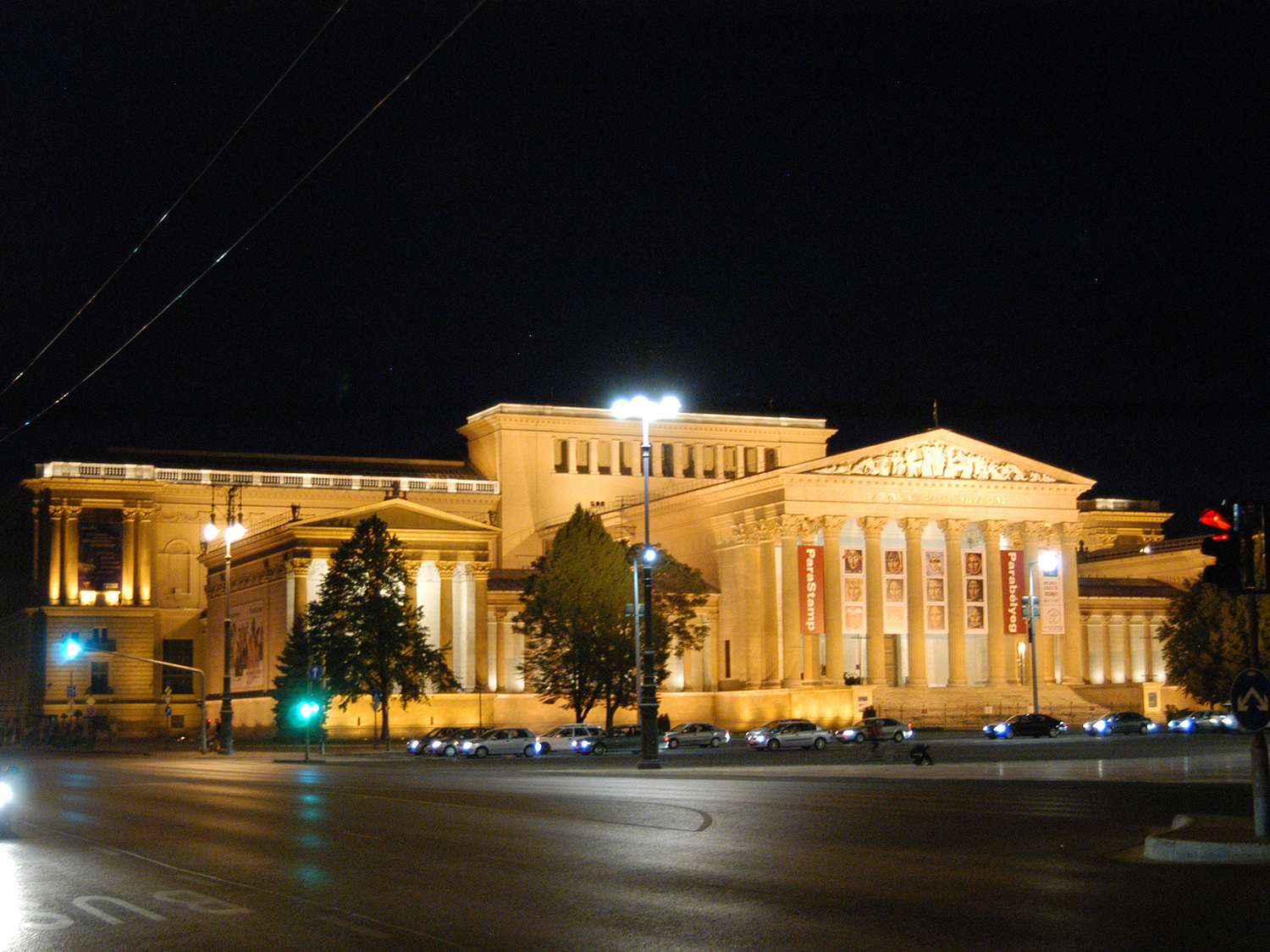
This joint exhibition, held in 2007, was titled ParaStamp, Four Decades of Artistamps: From Fluxus to the Internet, which also marked the 20th anniversary of the groundbreaking 1987 exhibition “Stamp Images” (curated by Judit Geskó) held at the Museum of Fine Arts.
After ten years of planning and negotiations, during which numerous options were considered and rejected, and with the involvement of the Hungarian National Bank’s "Értéktár" program, an agreement was reached for the Artpool Art Research Center to join the Museum of Fine Arts as an independent department.
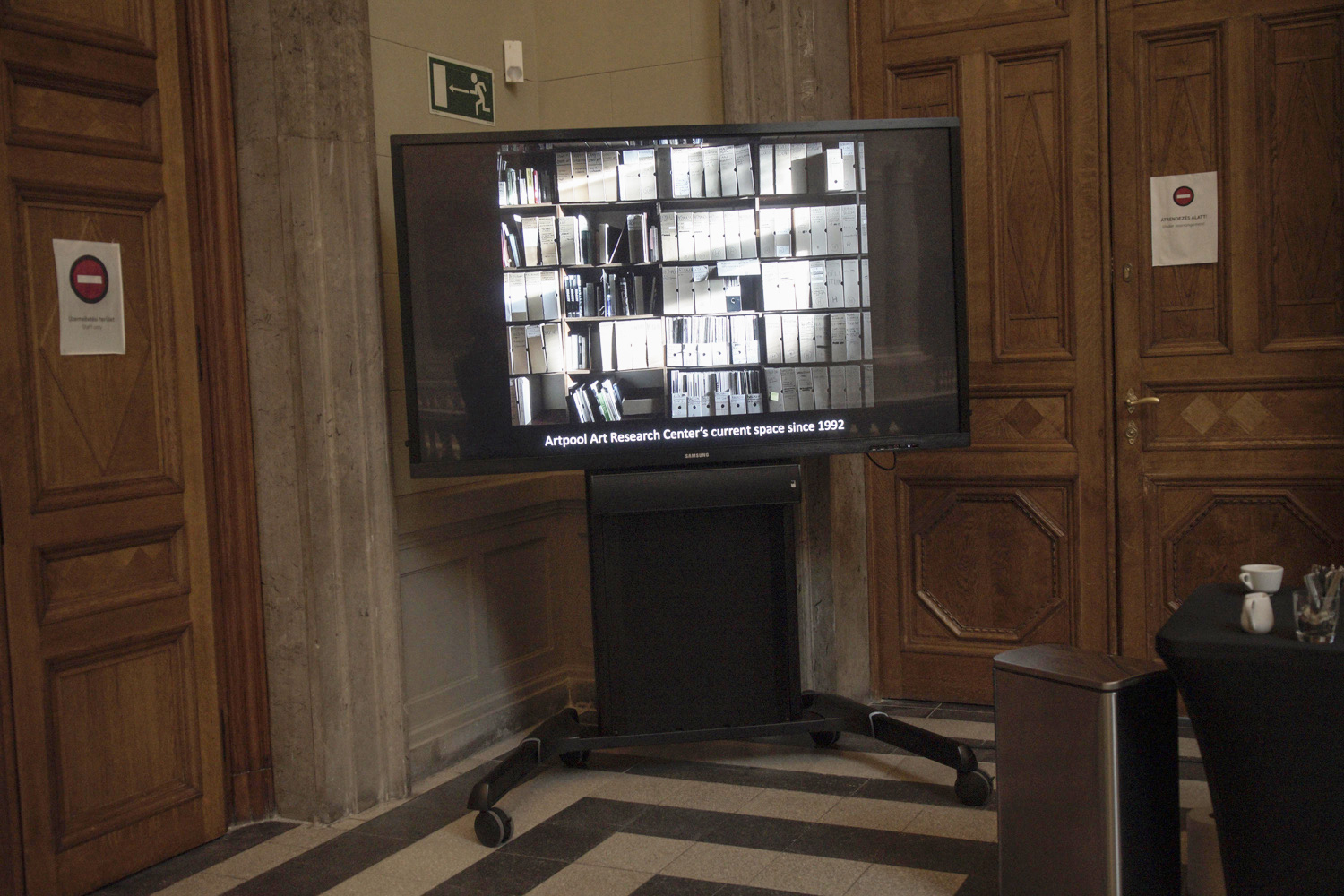
As a result of this integration, Artpool continued to operate at its original, now historic location at 10 Liszt Ferenc Square from 2015 to 2020.
These six years were a truly special period in Artpool’s history: they were marked by intensive collection processing and digitization work, database development, library expansion, the hiring of new colleagues, international study trips and project collaborations, and retrospective exhibitions.
As a result of this integration, Artpool continued to operate at its original, now historic location at 10 Liszt Ferenc Square from 2015 to 2020.
These six years were a truly special period in Artpool’s history: they were marked by intensive collection processing and digitization work, database development, library expansion, the hiring of new colleagues, international study trips and project collaborations, and retrospective exhibitions.
Meanwhile, preparations for the move to the new location on Szabolcs Street were underway (architectural, interior design, and logistical planning).
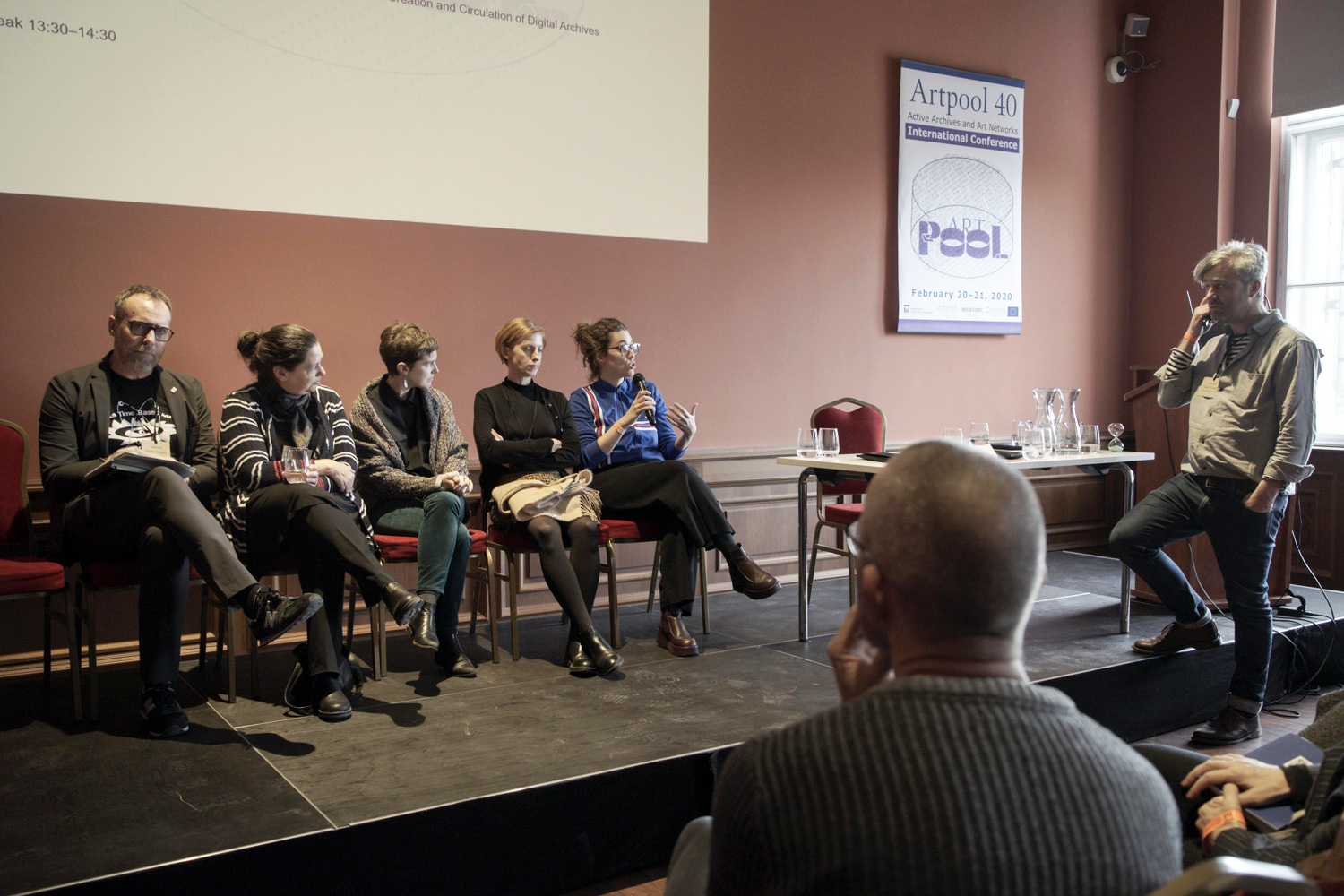
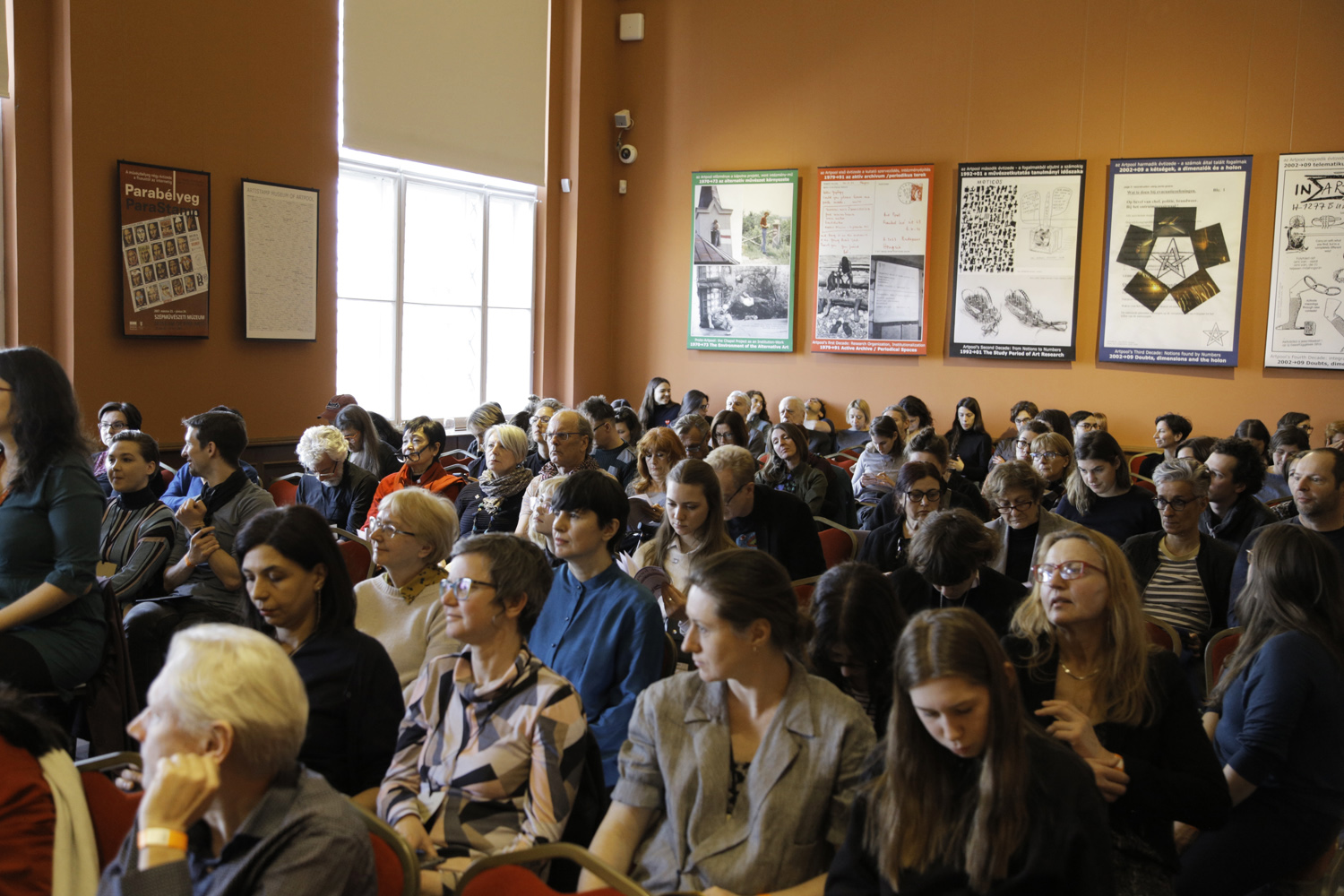
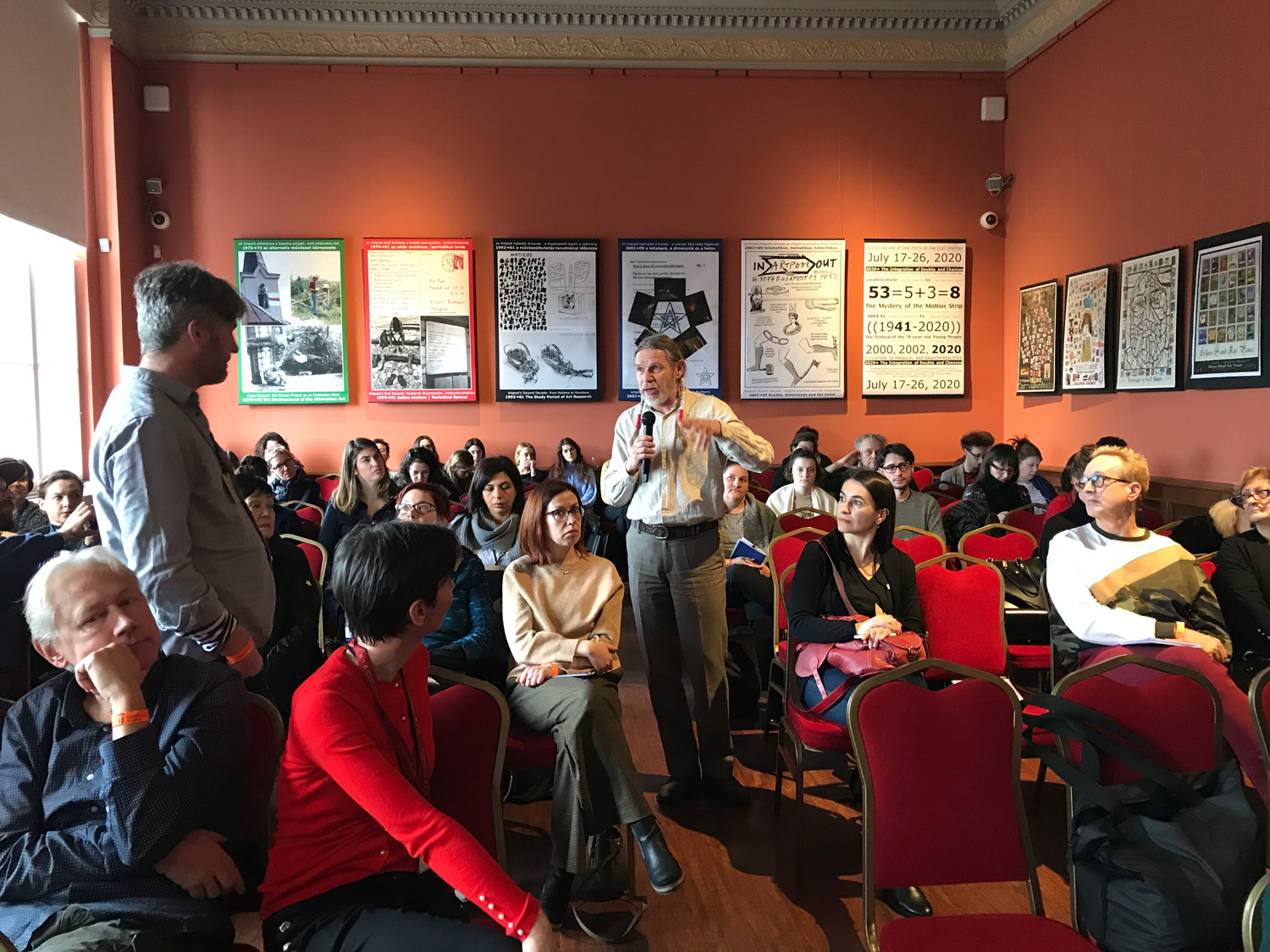
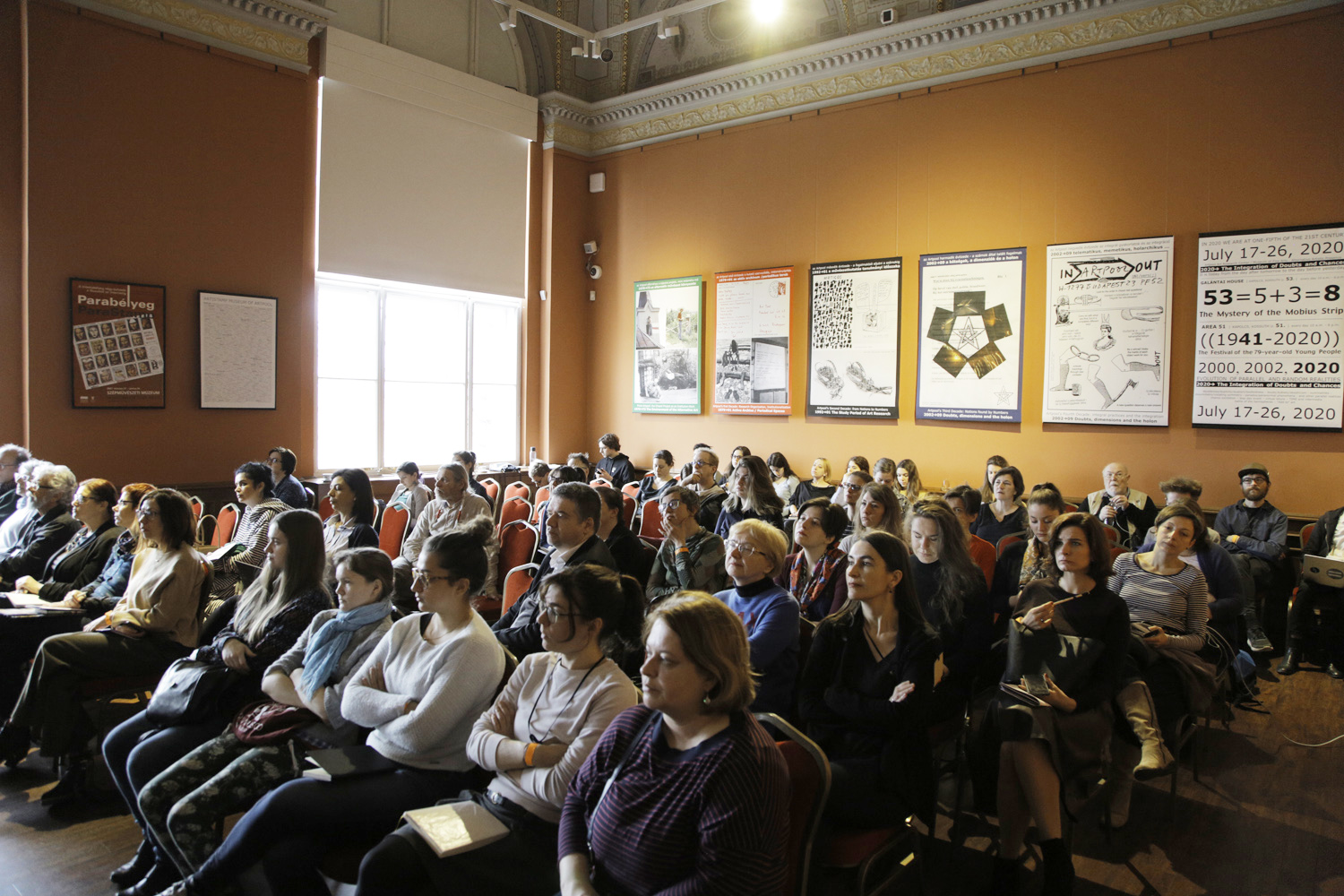
The closing event of this special period was the highly anticipated international conference titled “Artpool 40 – Active Archives and Art Networks,” held in February 2020 at the Museum of Fine Arts—in the final days before the outbreak of COVID.
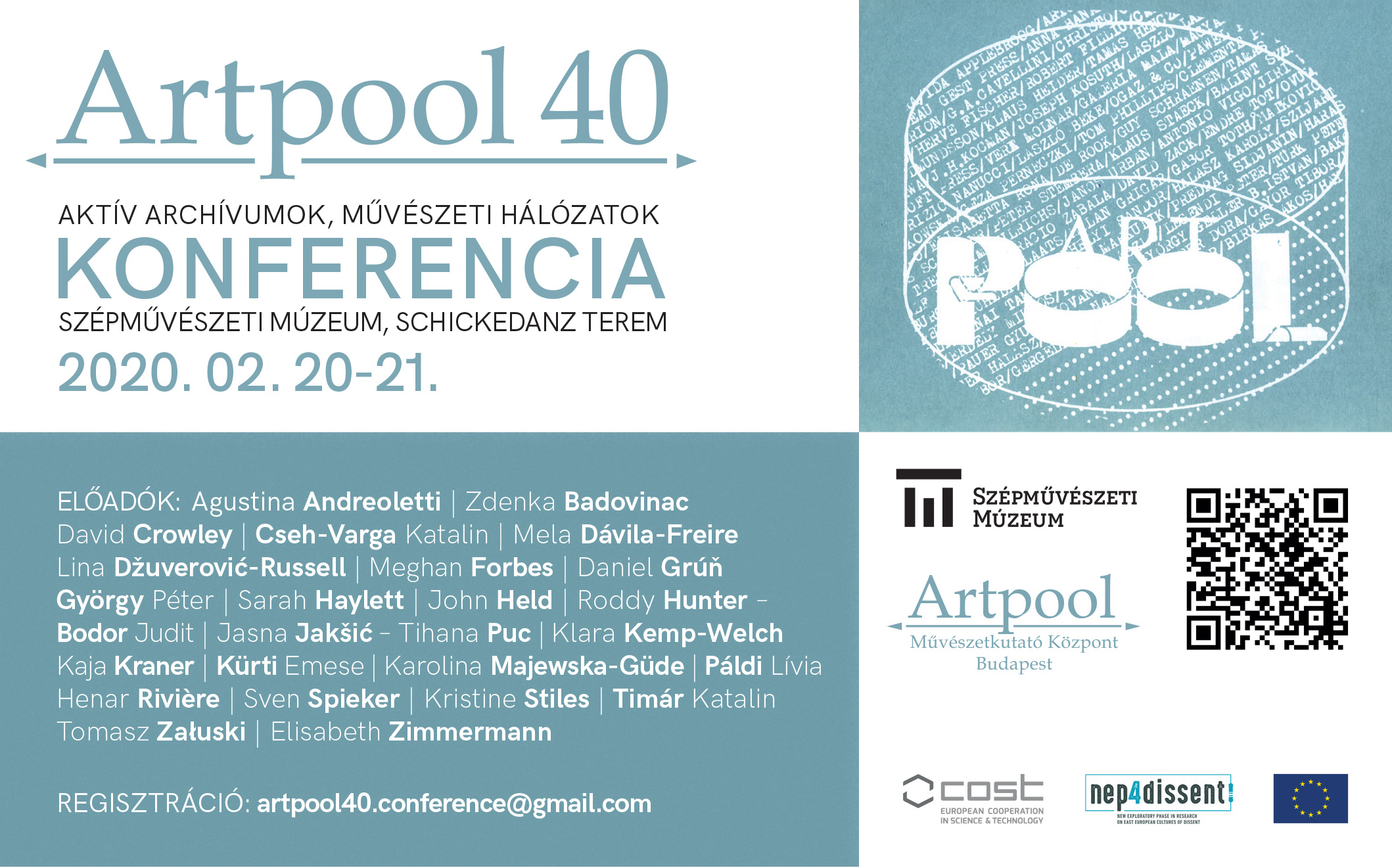
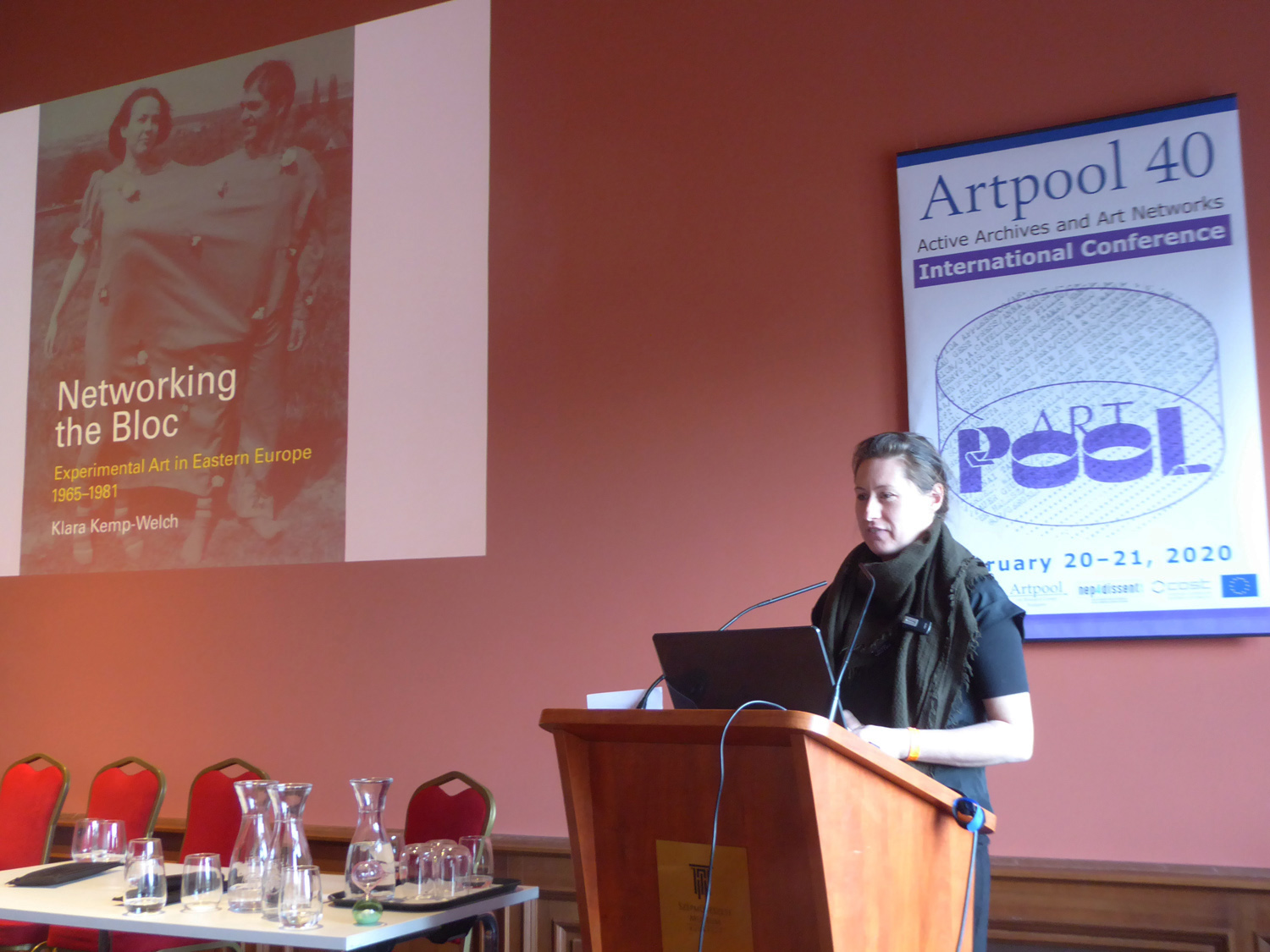
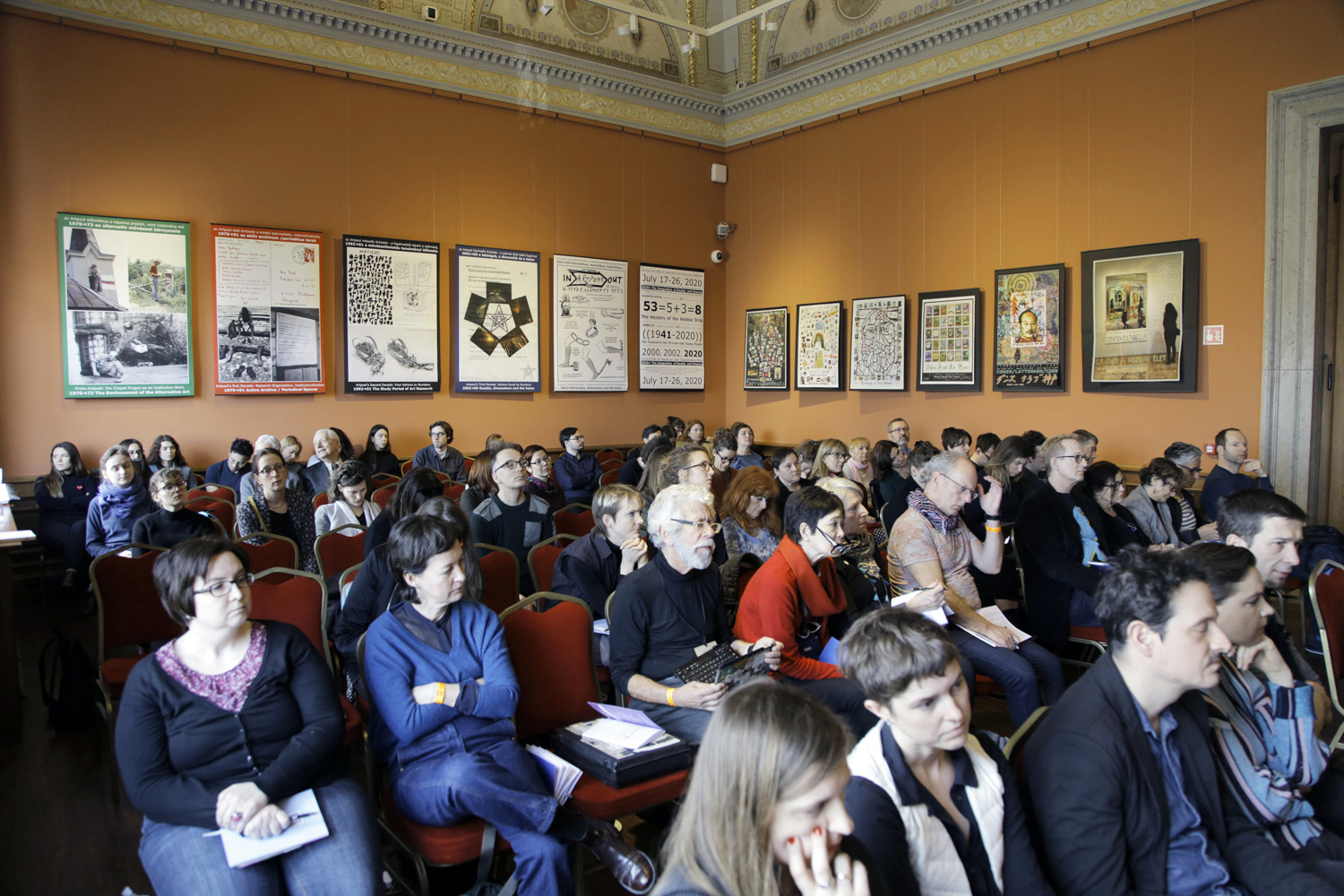
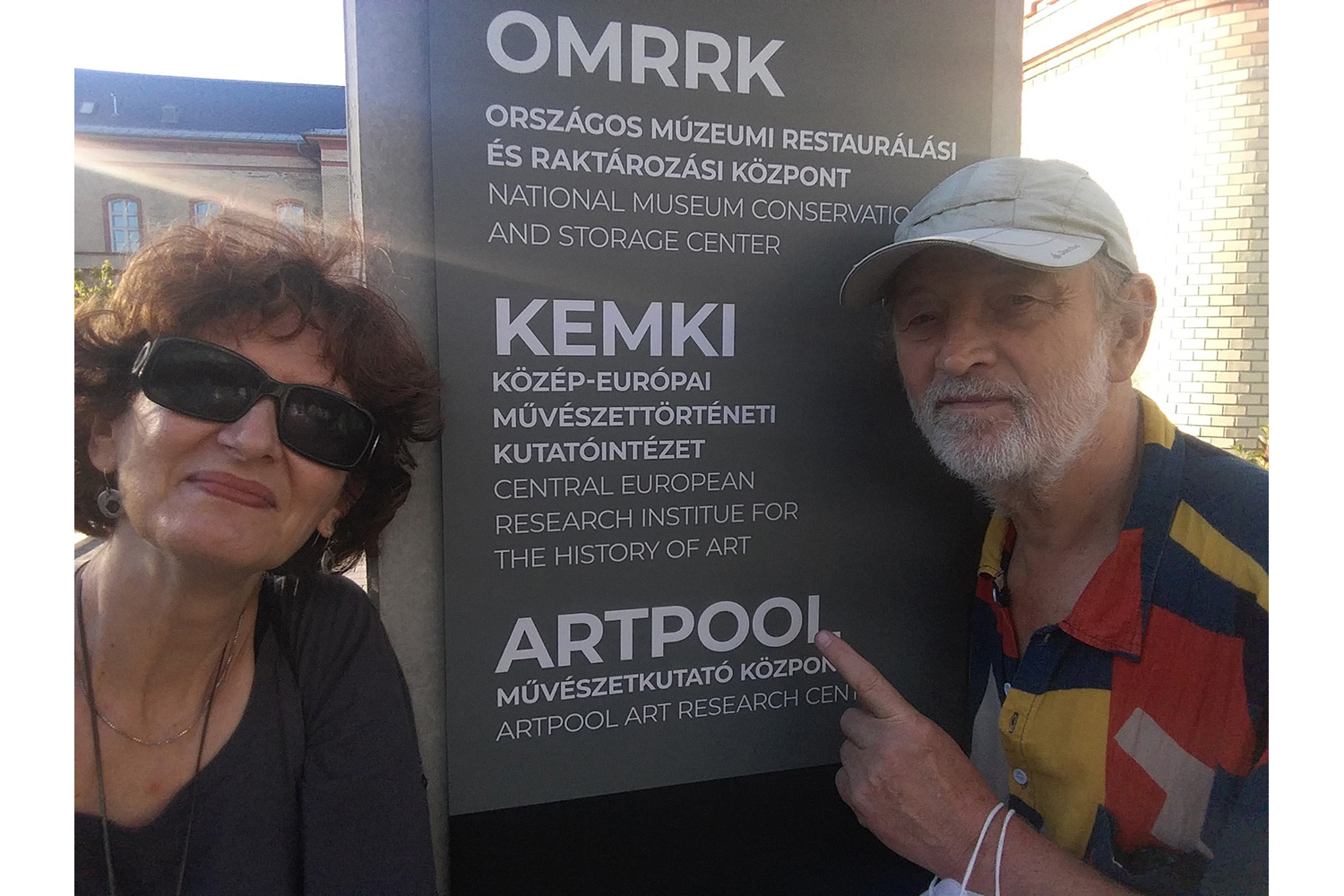
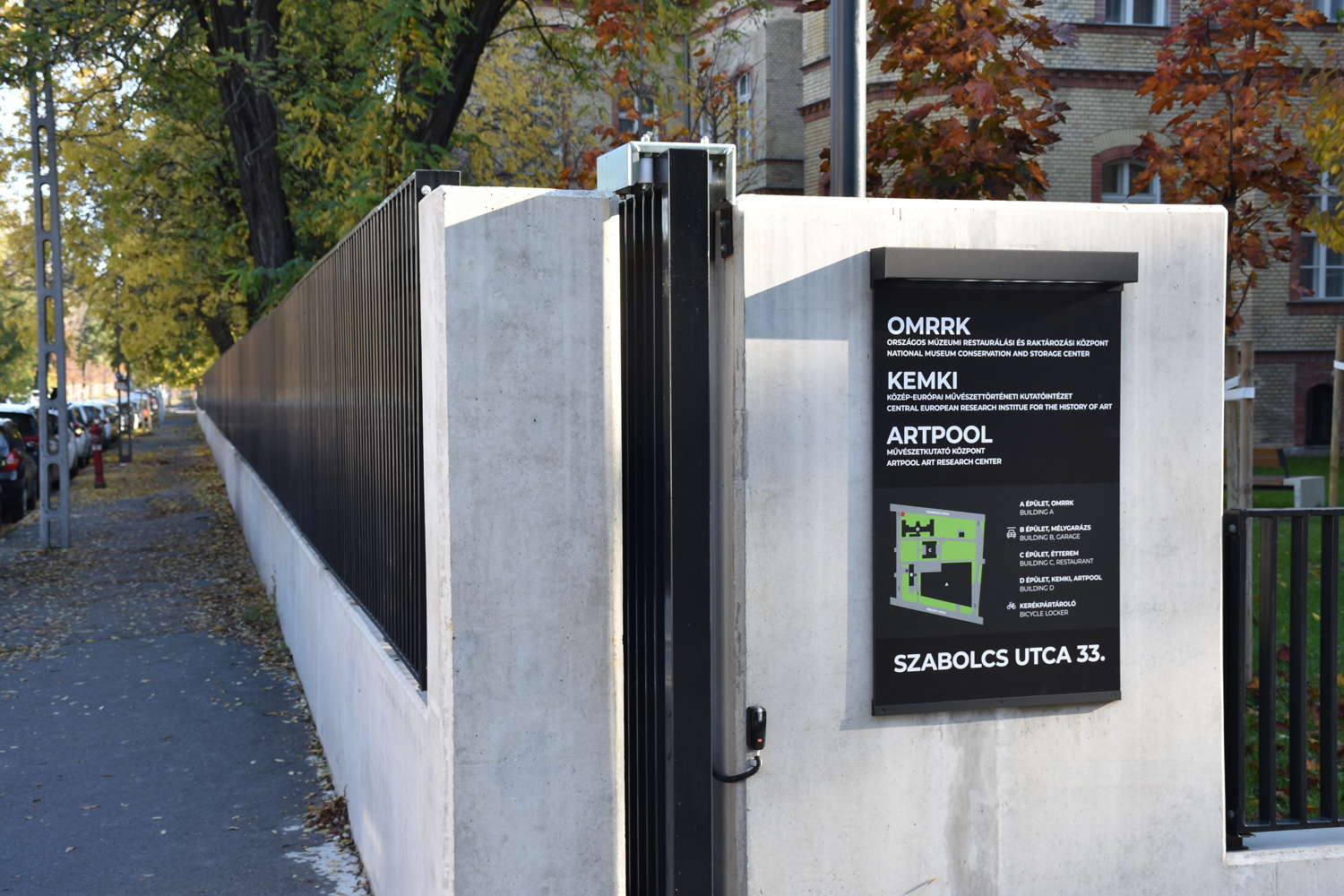
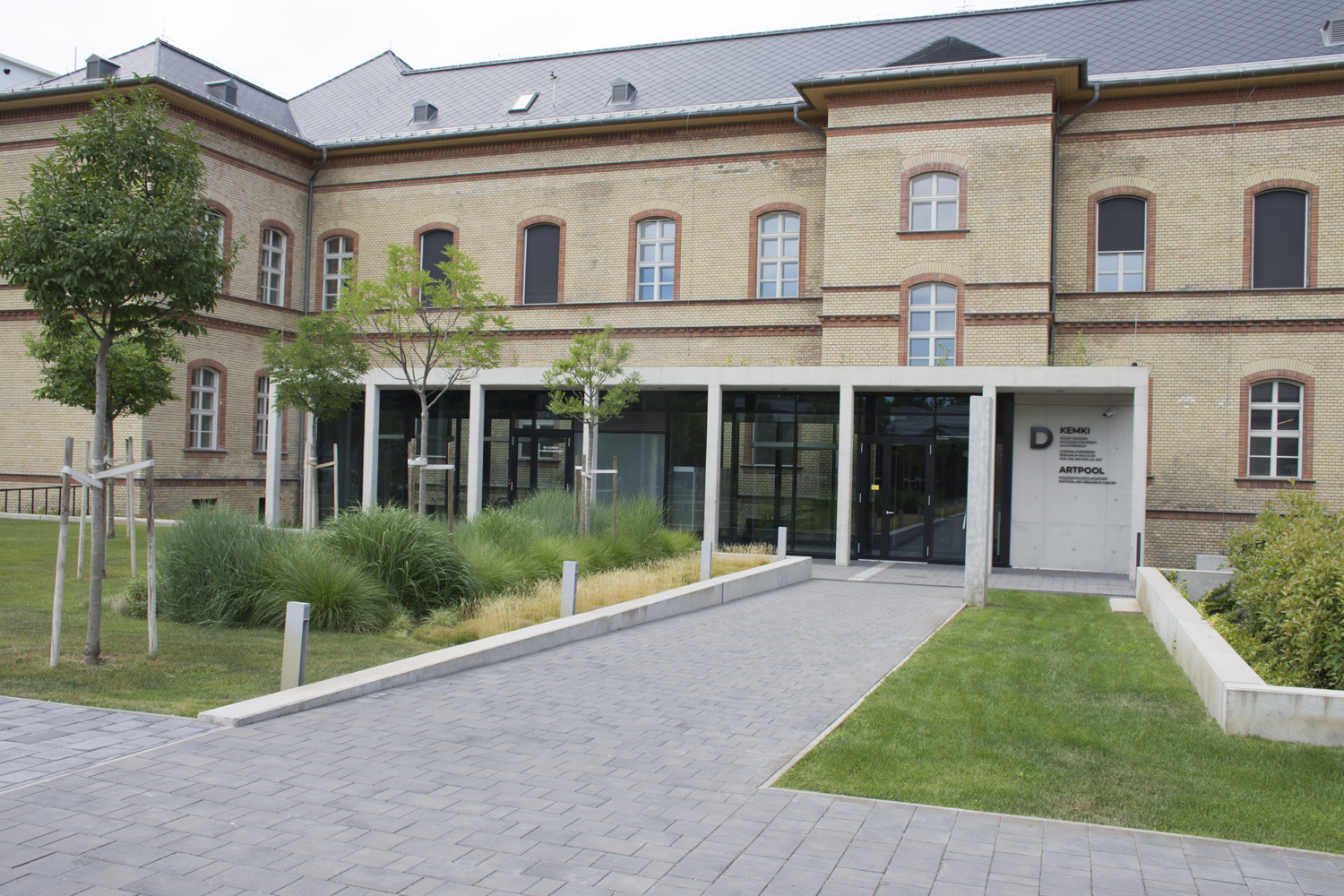
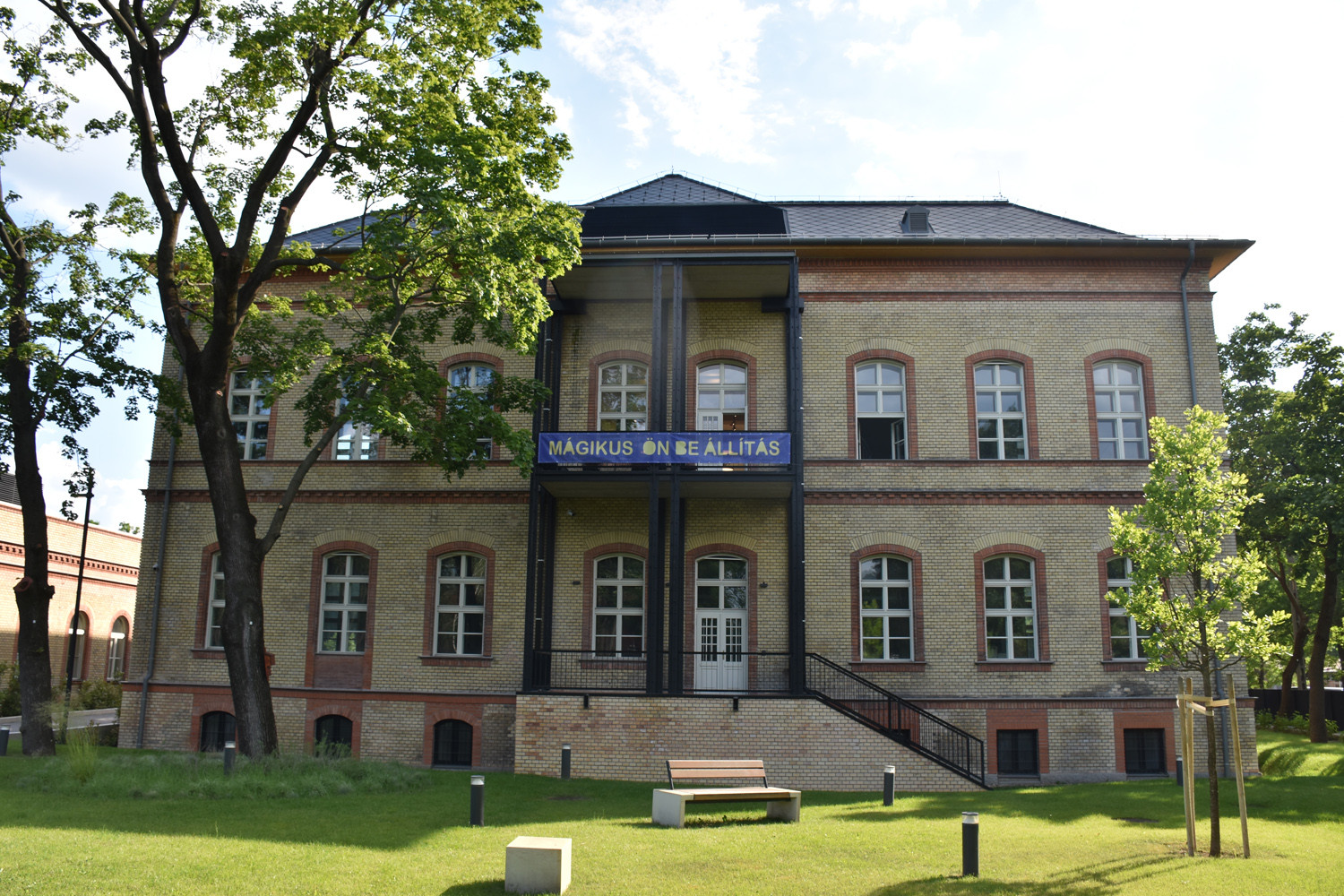
The Artpool Art Research Center—as part of the Museum of Fine Arts—has found a new, deserving home on the newly created OMRRK–KEMKI campus, in one of the buildings of the former Bródy Adél Children’s Hospital, which was later the Szabolcs Street Hospital—, restored and renovated for archival purposes. There, Artpool has at its disposal a small exhibition space, up-to-date storage facilities ensuring the safety of its collections, a Media Space providing venues for lectures, workshops, and screenings, as well as a library and workrooms.
Starting with 2021, it continues its activities here within the framework of the newly established Central European Research Institute for Art History (KEMKI).
Related study:
Kürti, Emese: Expansive Underground. Artpool's Path from Self-Institutionalization to a Museum. In: Emese Kürti – Zsuzsa László (eds.), What Will Be Already Exists, transcript Verlag, Bielefeld, 2021, pp. 115–132.