POÏPOÏ FOLYÓ
Exhibition at the French Institute
• September 23–October 15, 2026
• French Institute, 1011 Budapest, Fő u. 17.
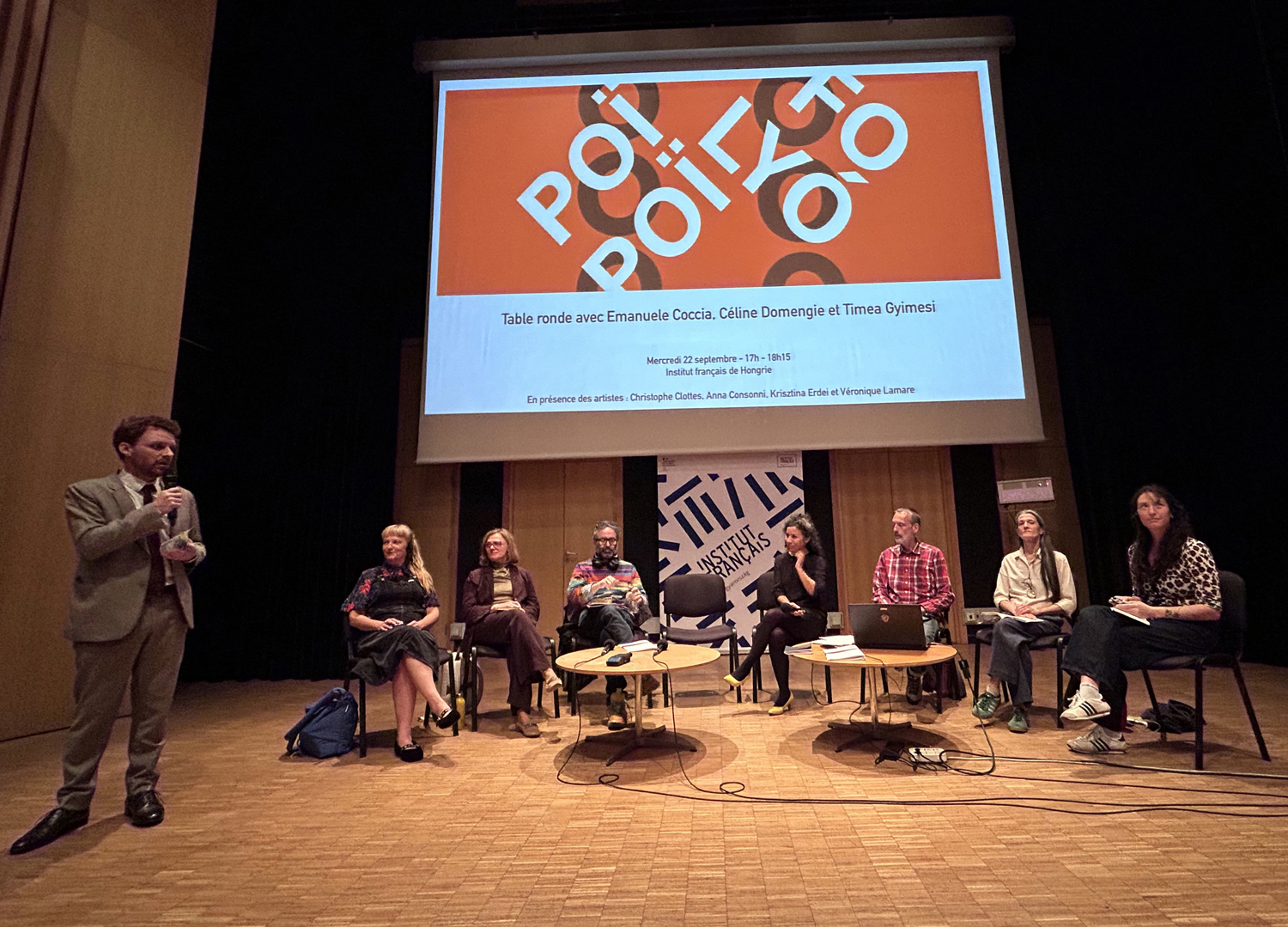
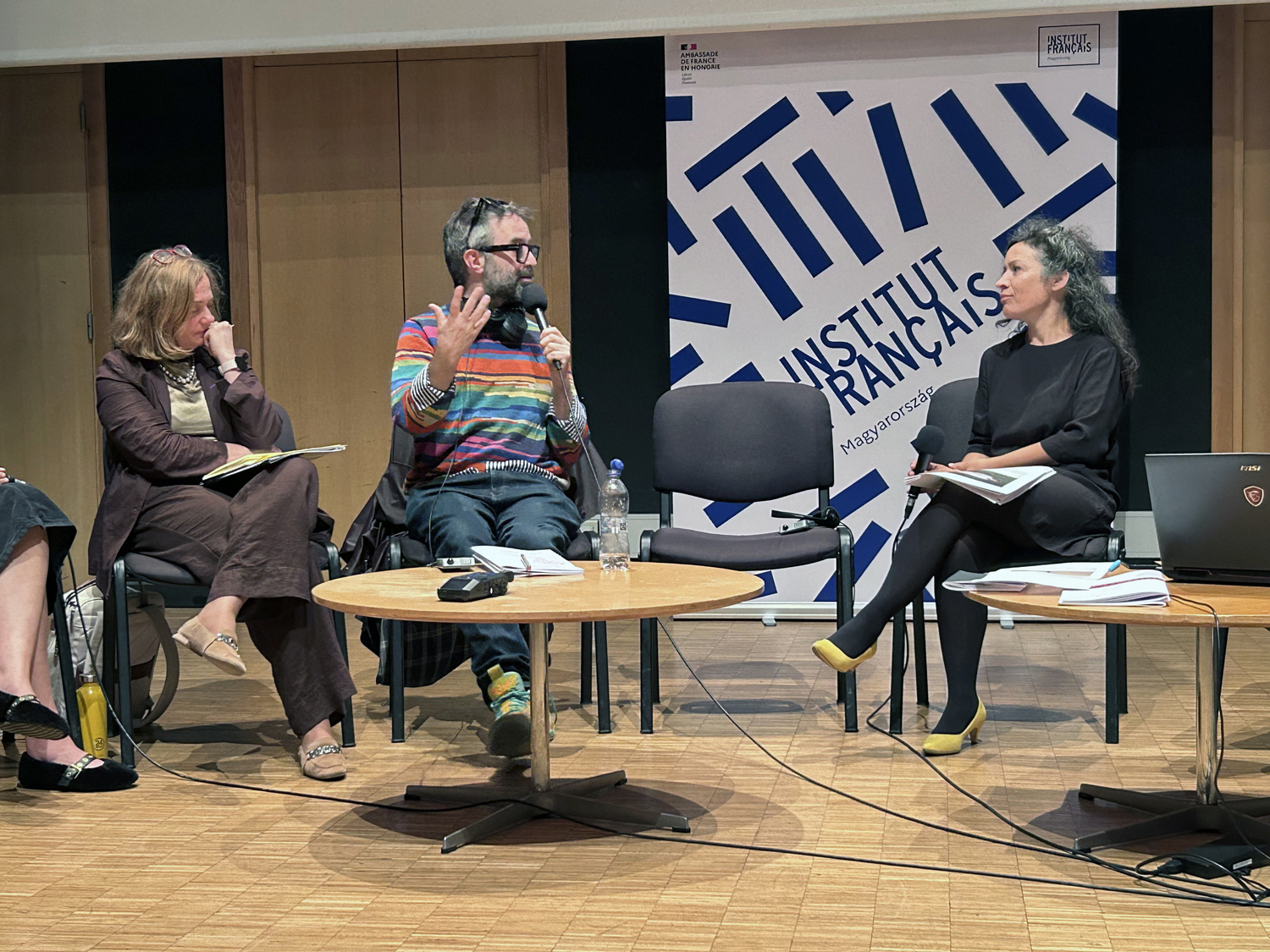
Roundtable Discussion: September 22, 2026, 5:00–6:15 p.m. → Facebook event
Participants: Emanuele Coccia, philosopher; Céline Domengie, artistic director of Belvédère and curator of the exhibition; Timea Gyimesi, head of the Department of French at the University of Szeged; and the exhibiting artists
Opening: September 22, 2026, 6:30 p.m. → Facebook event
Music:Louis Morgan “Doing Nothing”
The Poïpoï Folyó [Poïpoï River] exhibition
The Poïpoï River exhibition is the most recent event in a multi-year French-Hungarian collaboration involving the Artpool Art Research Center.
Initiated in 2021 under the direction of Céline Domengie, this artistic, ecological and research project explores the multifaceted relationships between communities in France and Hungary and their rivers:
How can the spirit of the Poïpoïdrome, conceived by Fluxus artist Robert Filliou and architect Joachim Pfeufer and realised in 1976, be evoked today and adapted to the ways in which we relate to our rivers? How can rivers and artists teach us to befriend the “flow” of life?
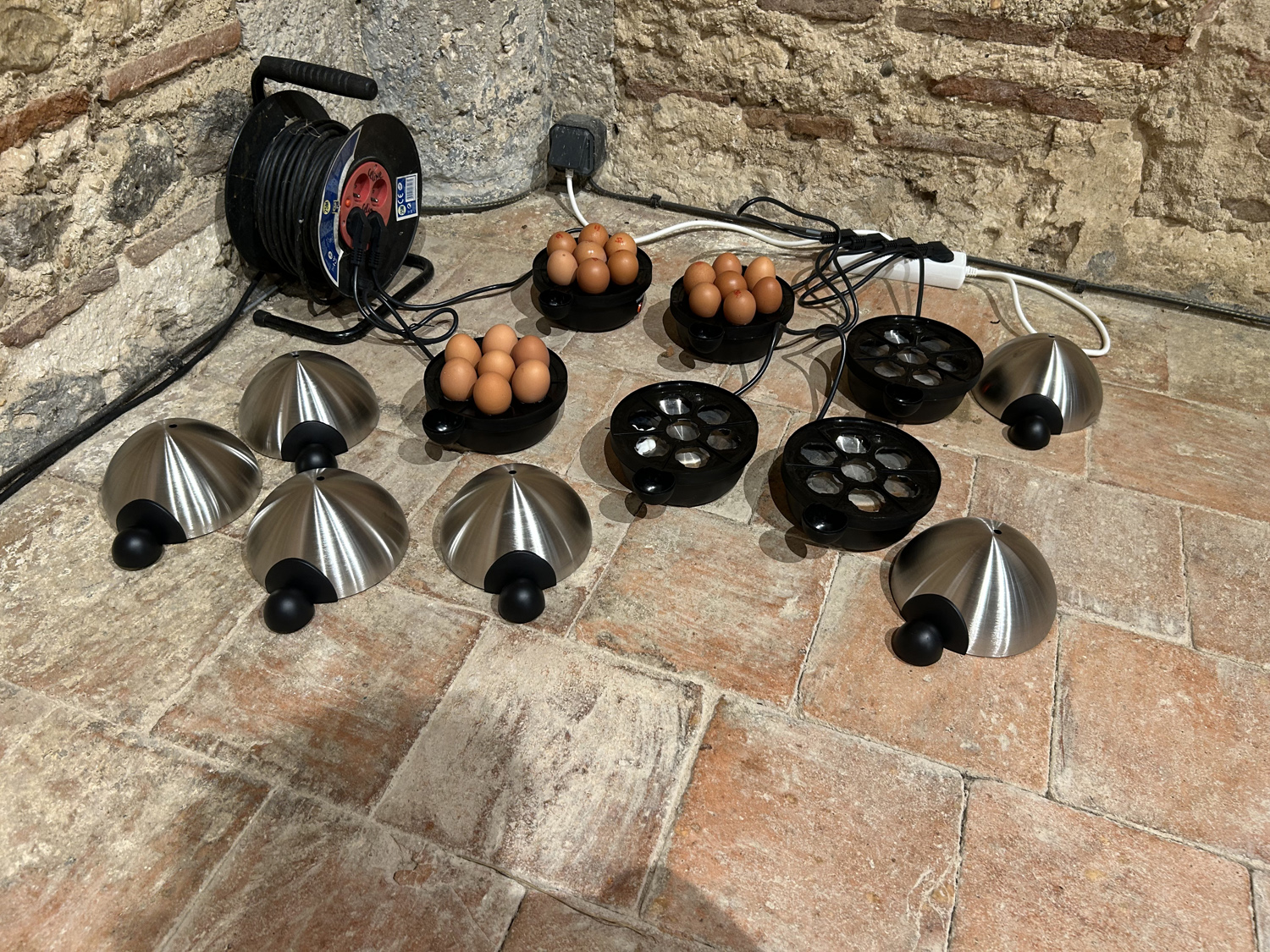
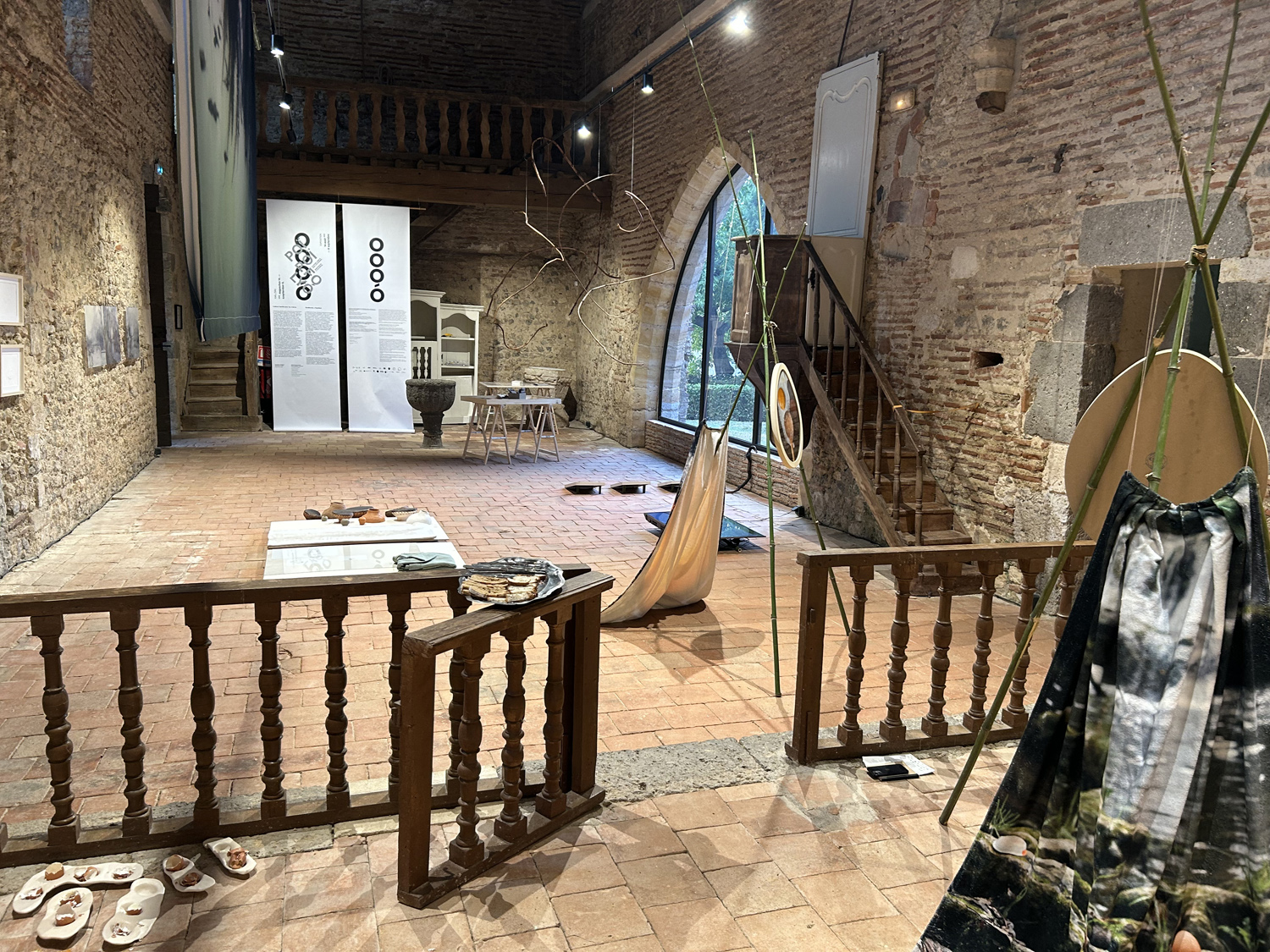
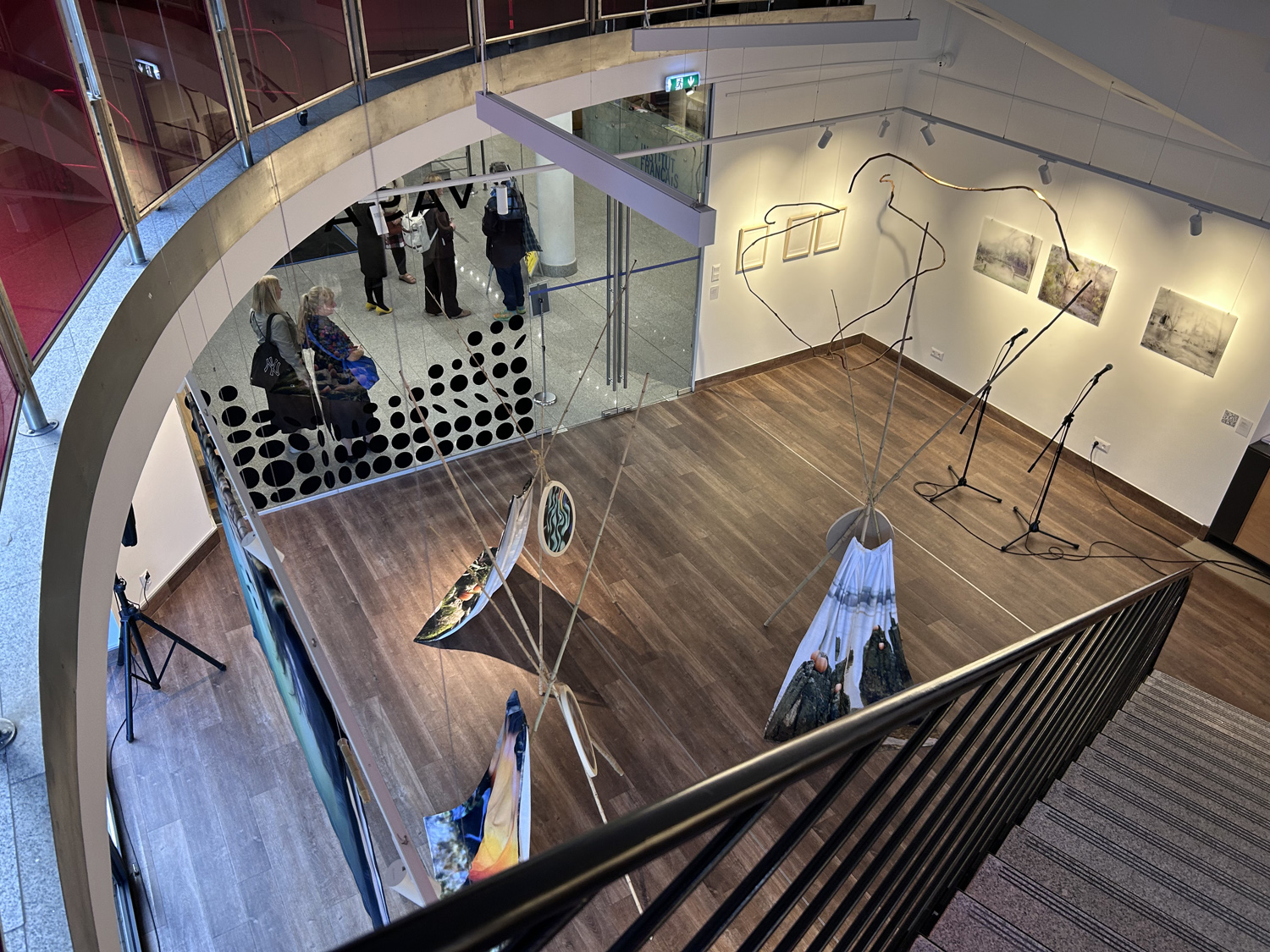
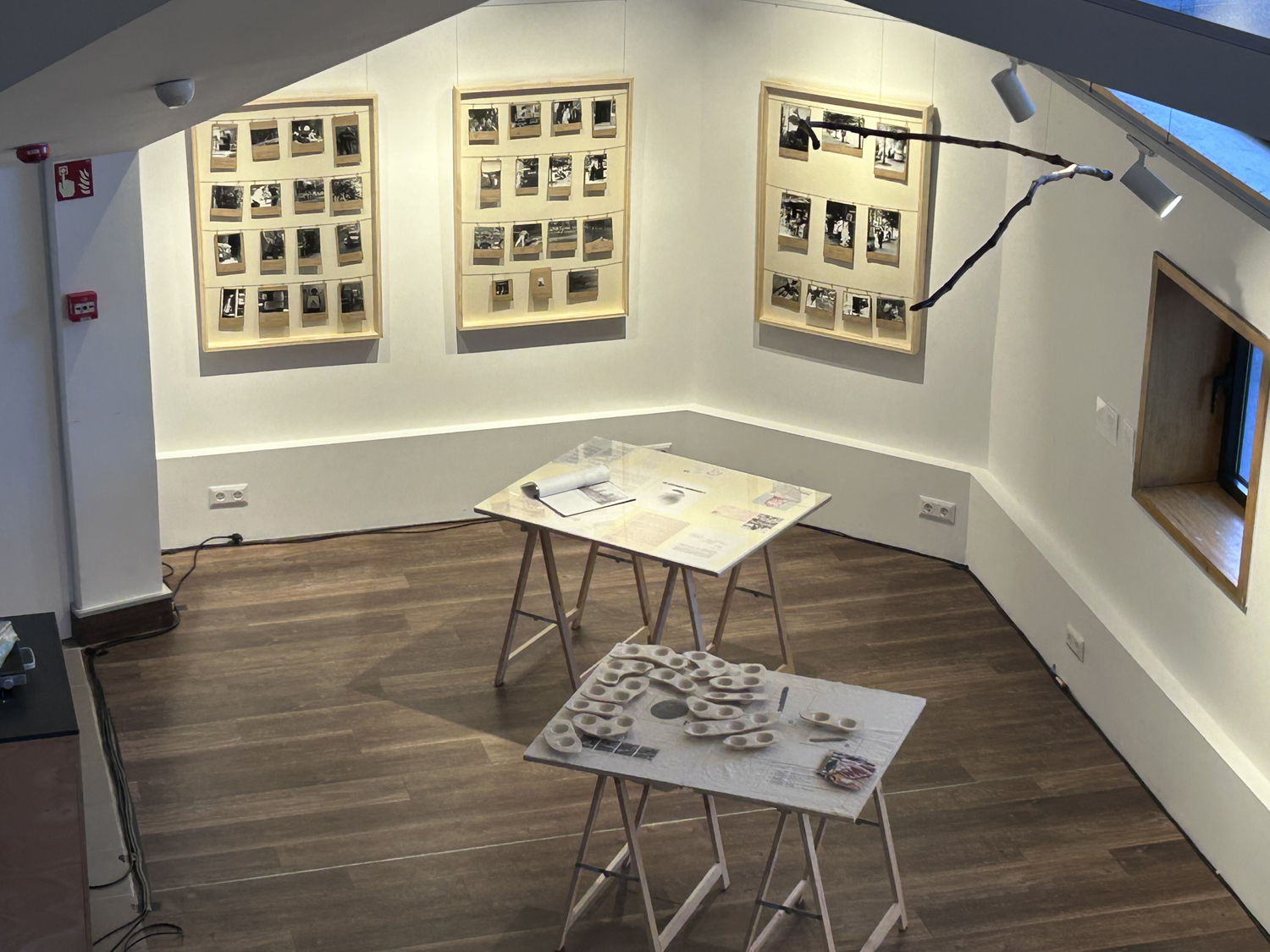
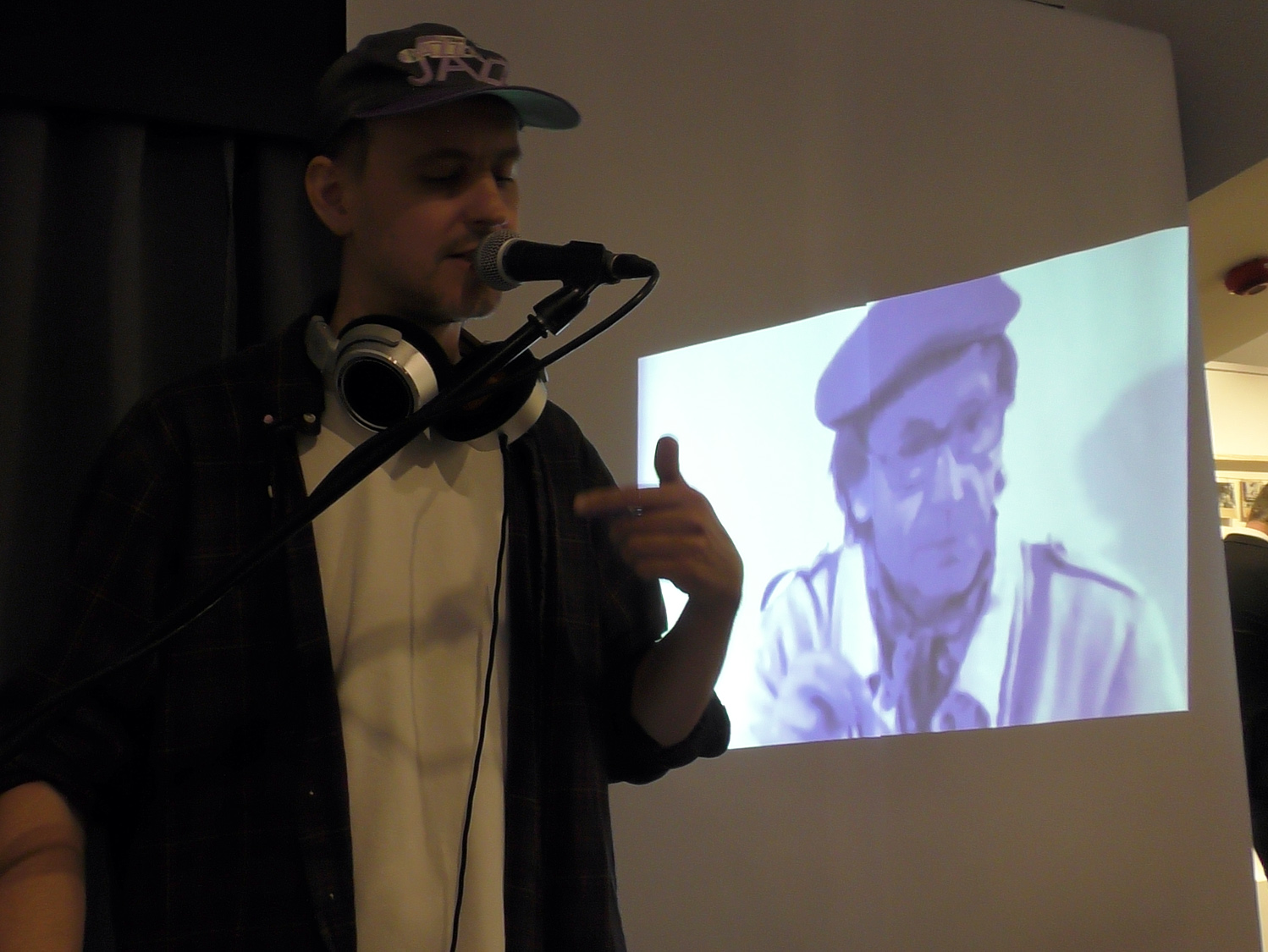
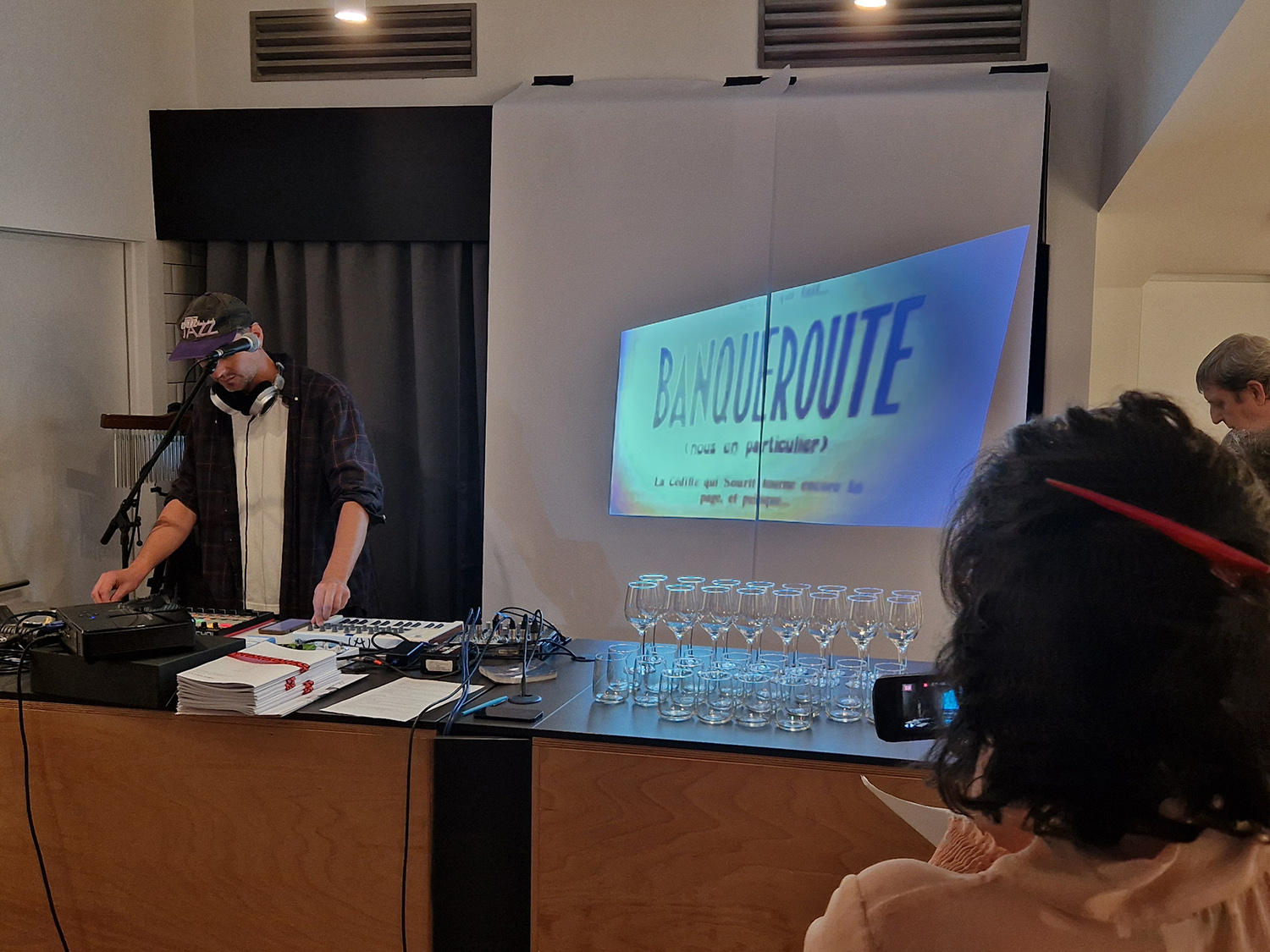
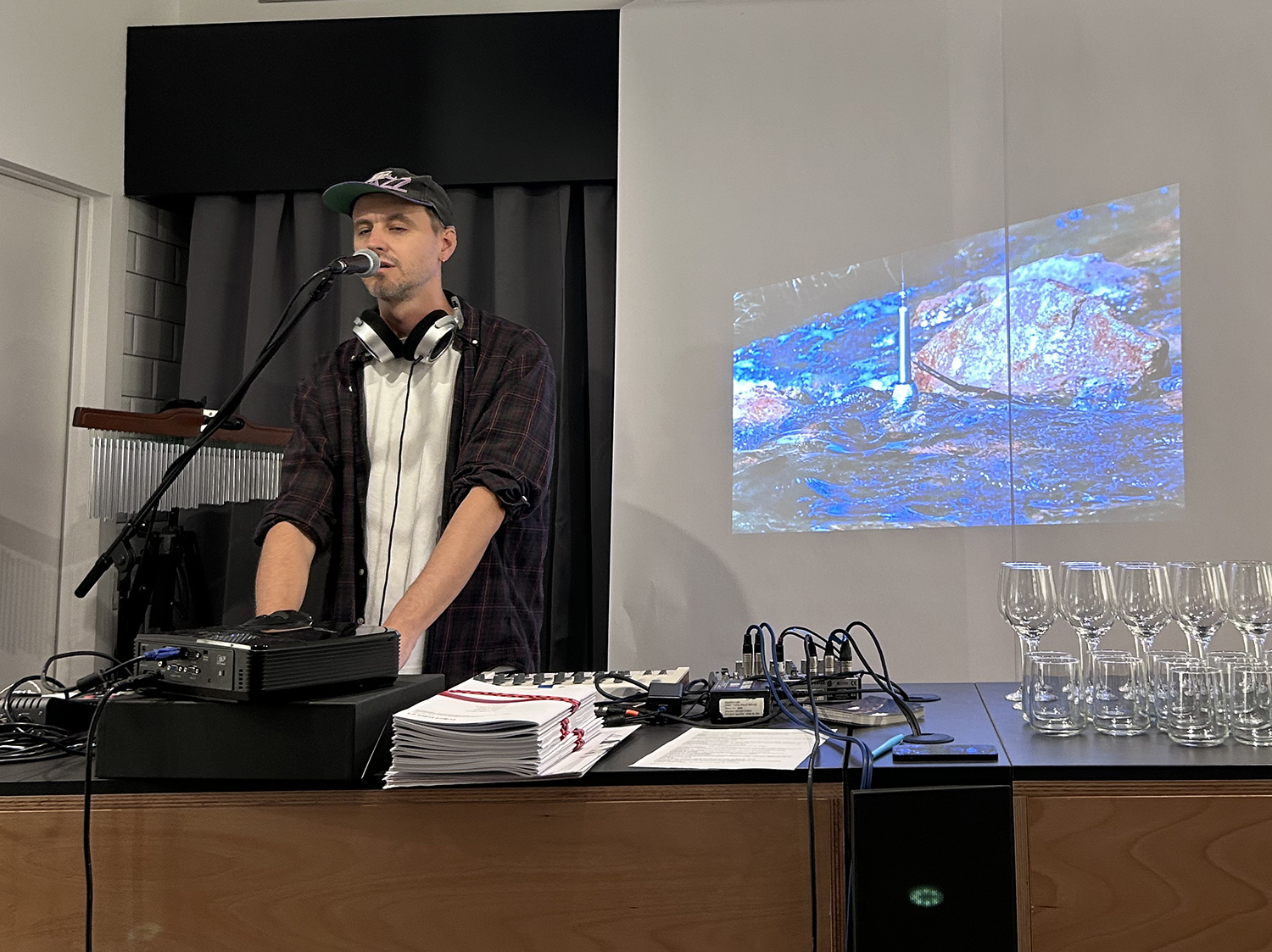
The exhibition presents works and documents related to the Poïpoïdrome realised in Budapest in 1976 and to Robert Filliou, drawn from the Museum of Fine Arts’ Collection of Art after 1800 and the Artpool Art Research Center, alongside works by Christophe Clottes, Anna Consonni, Krisztina Erdei, Robert Filliou, Daniella Grinberg, Kristof Guez, Véronique Lamare, Louis Morgan and Joachim Pfeufer.
Curator: Céline Domengie
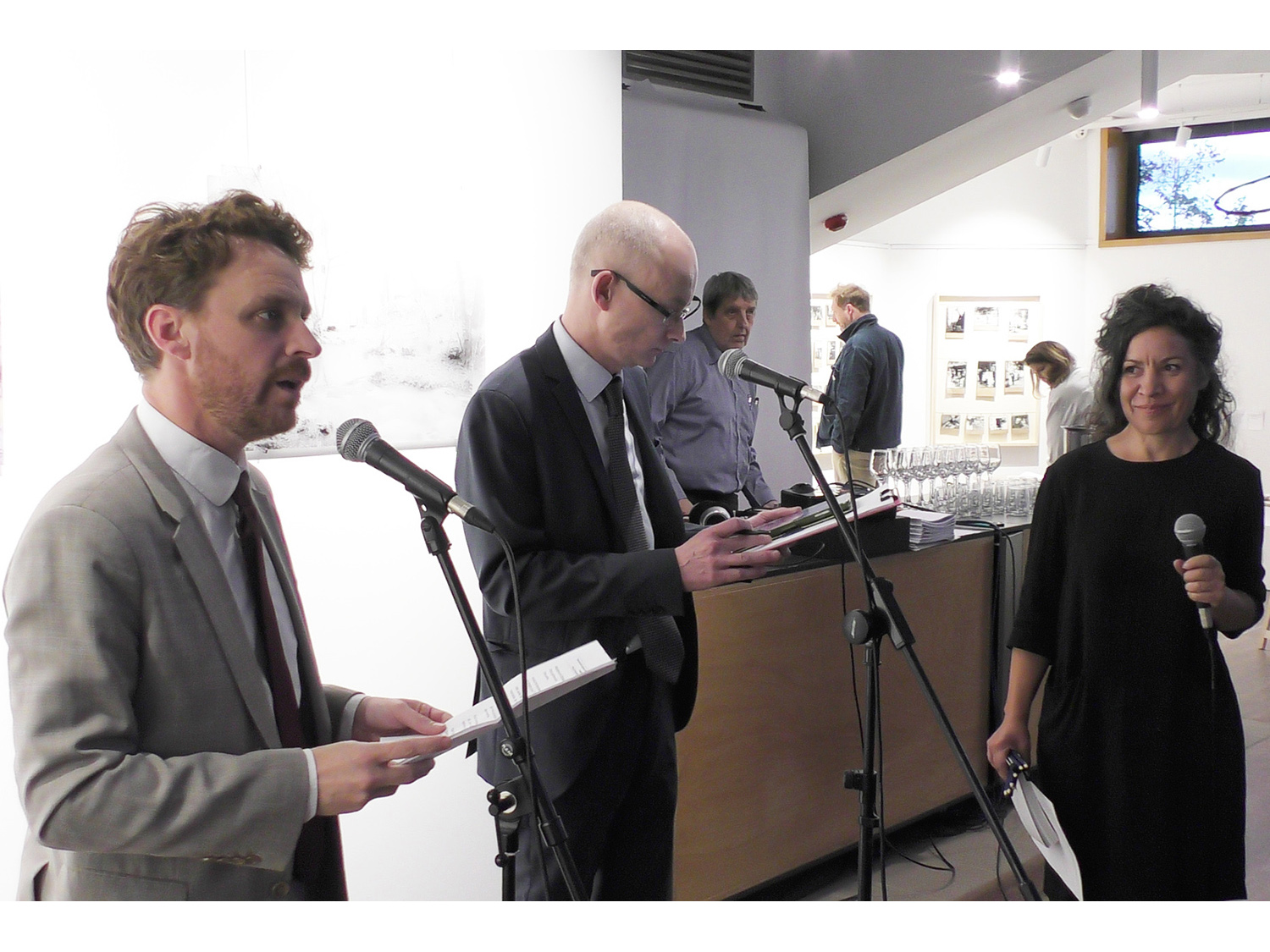
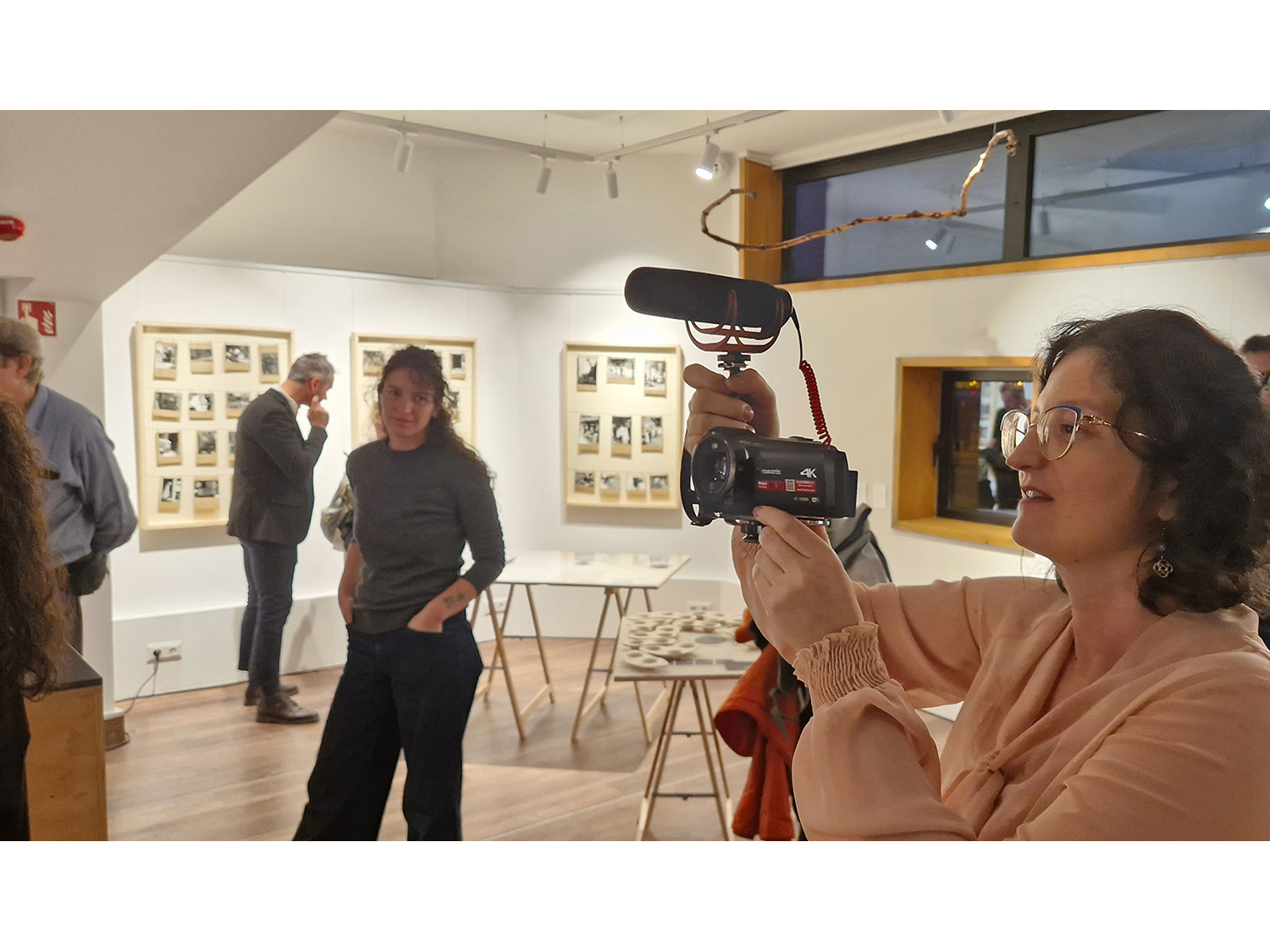
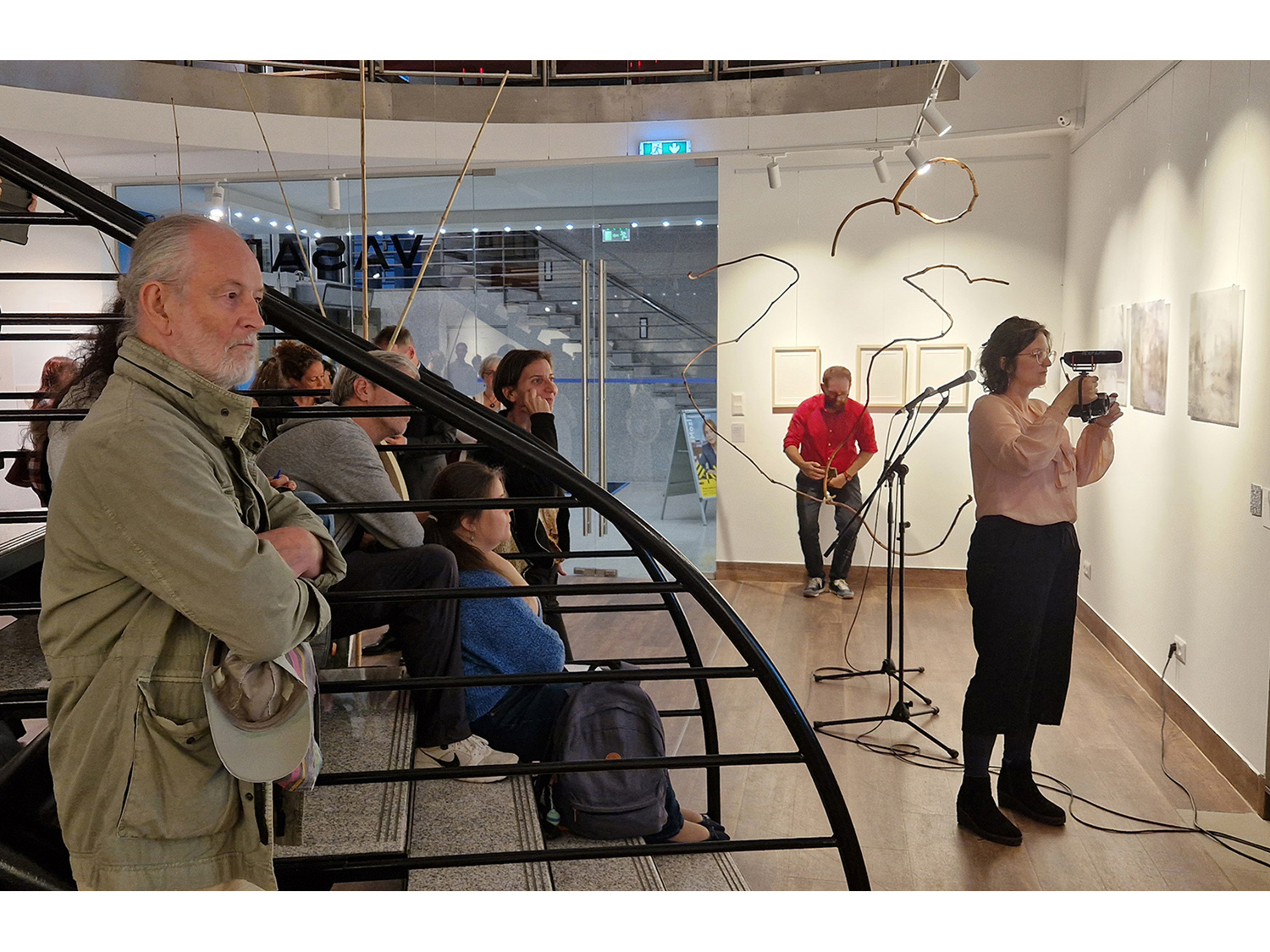
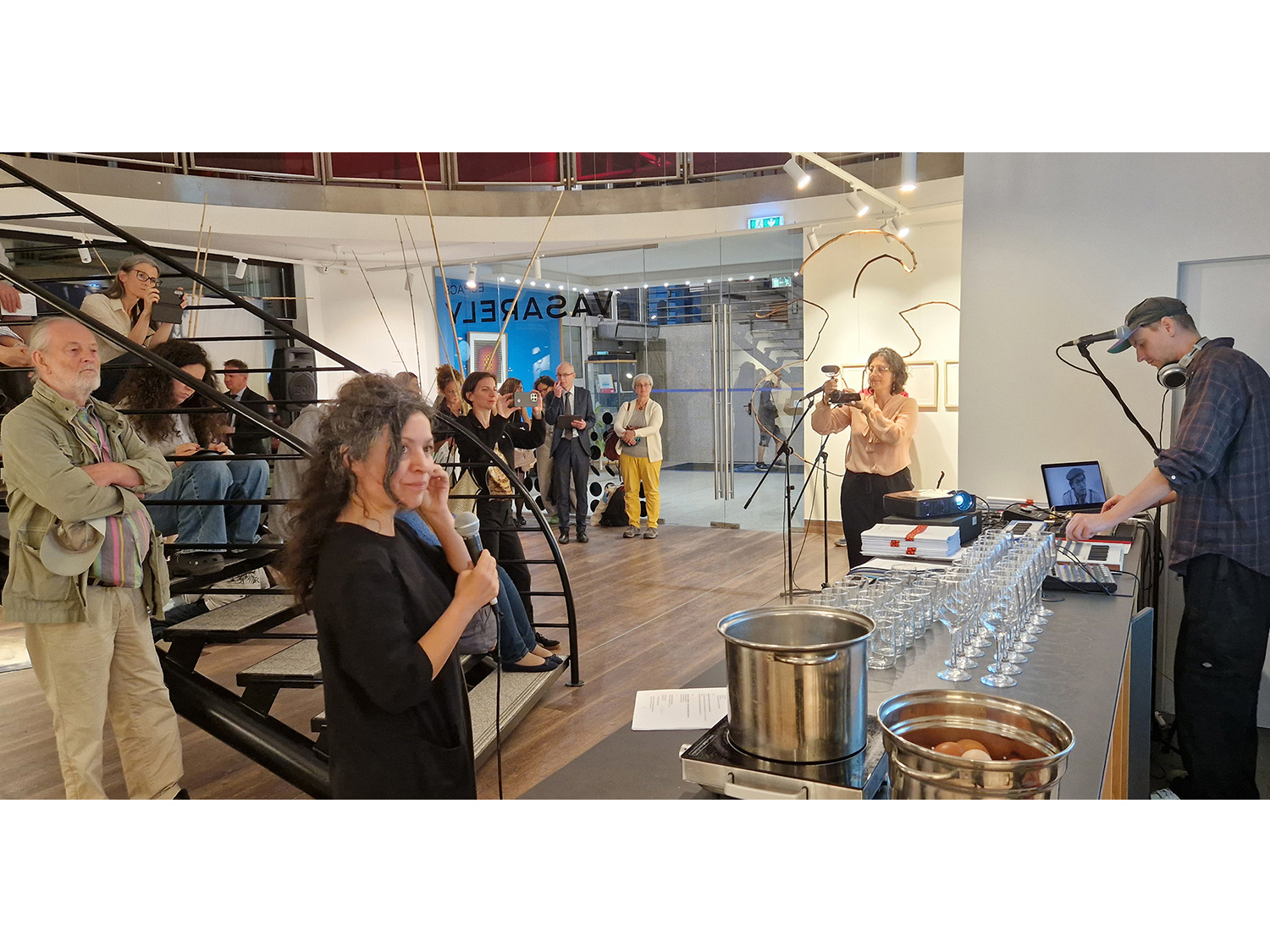
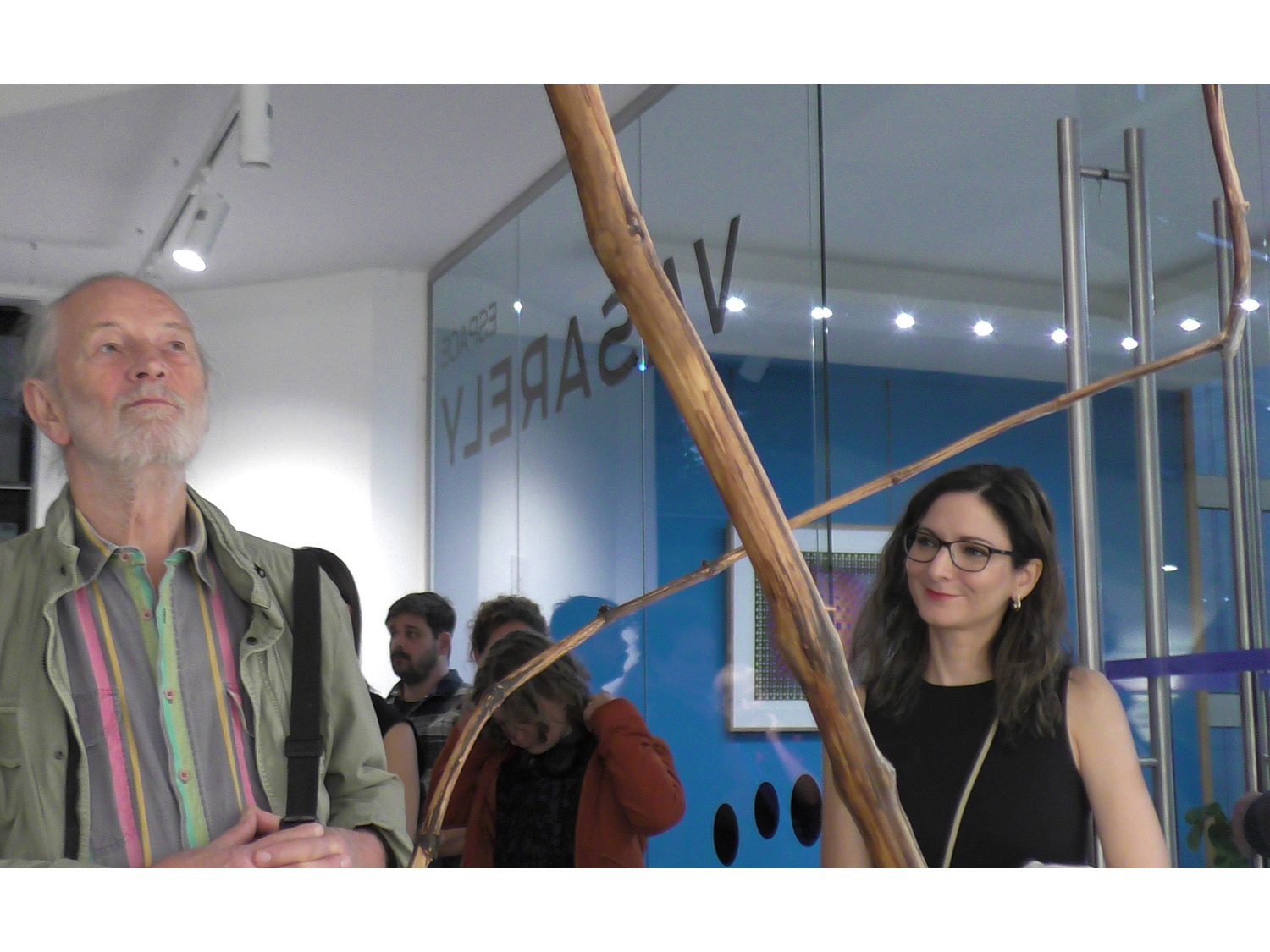
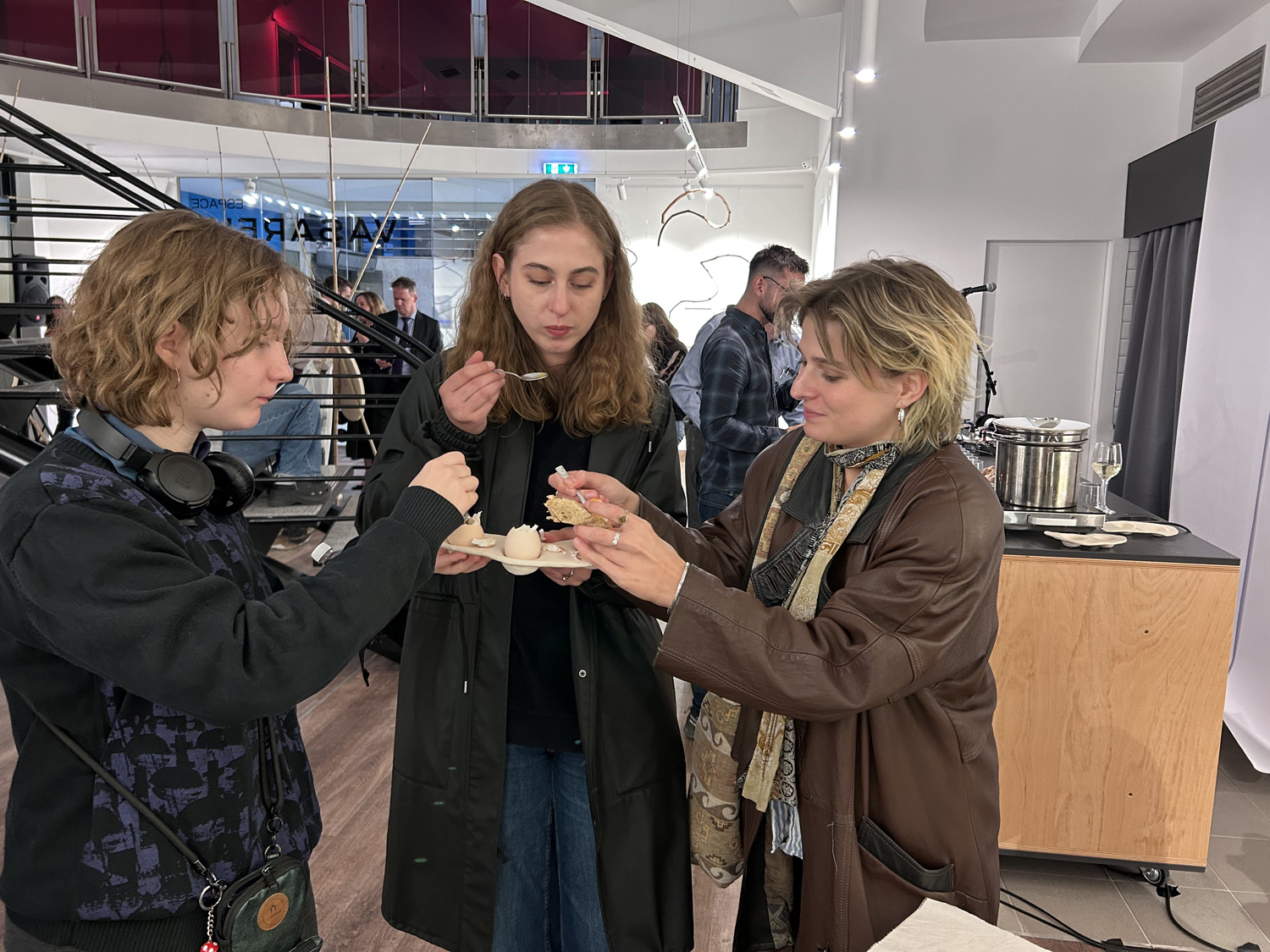
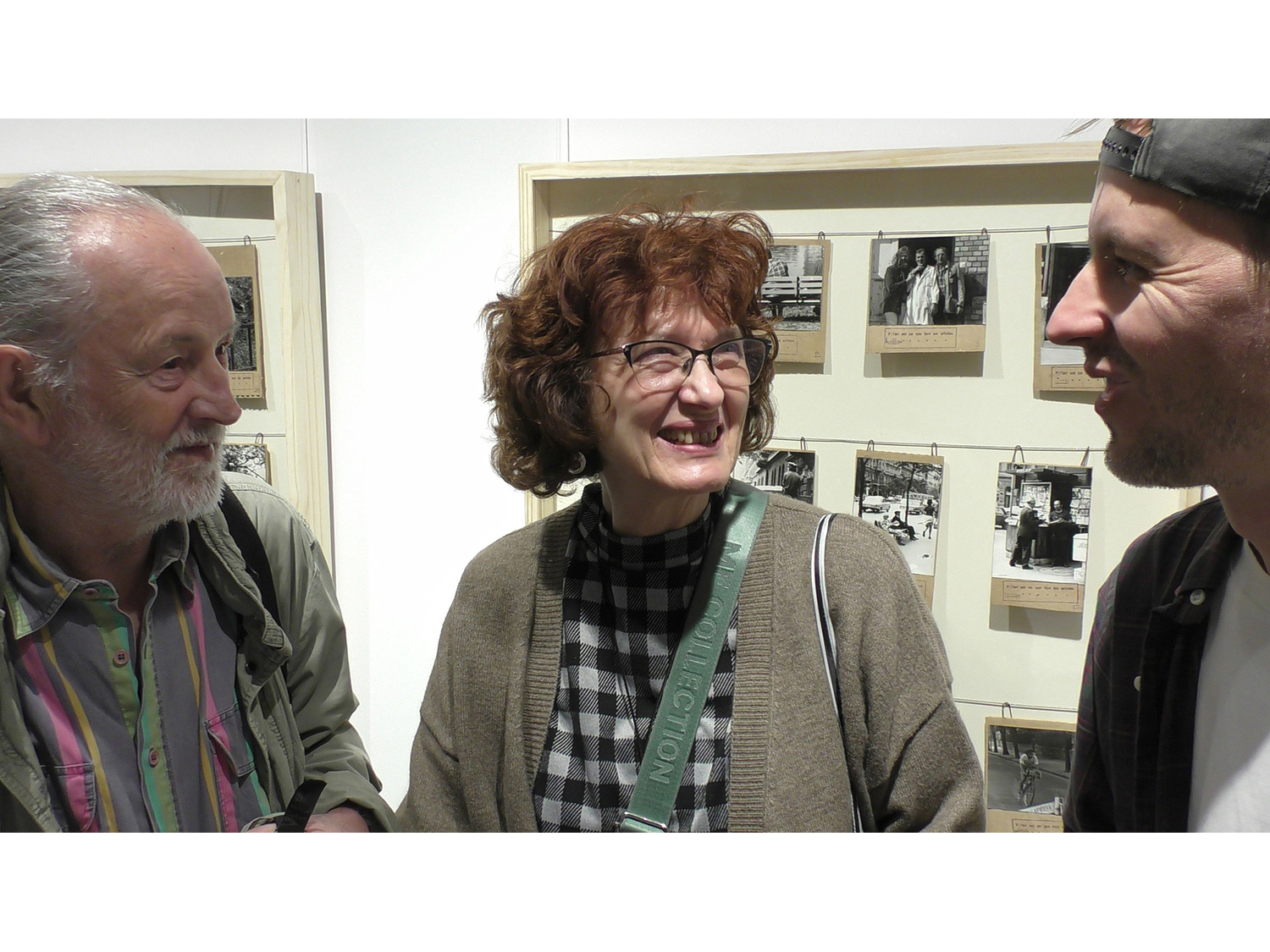
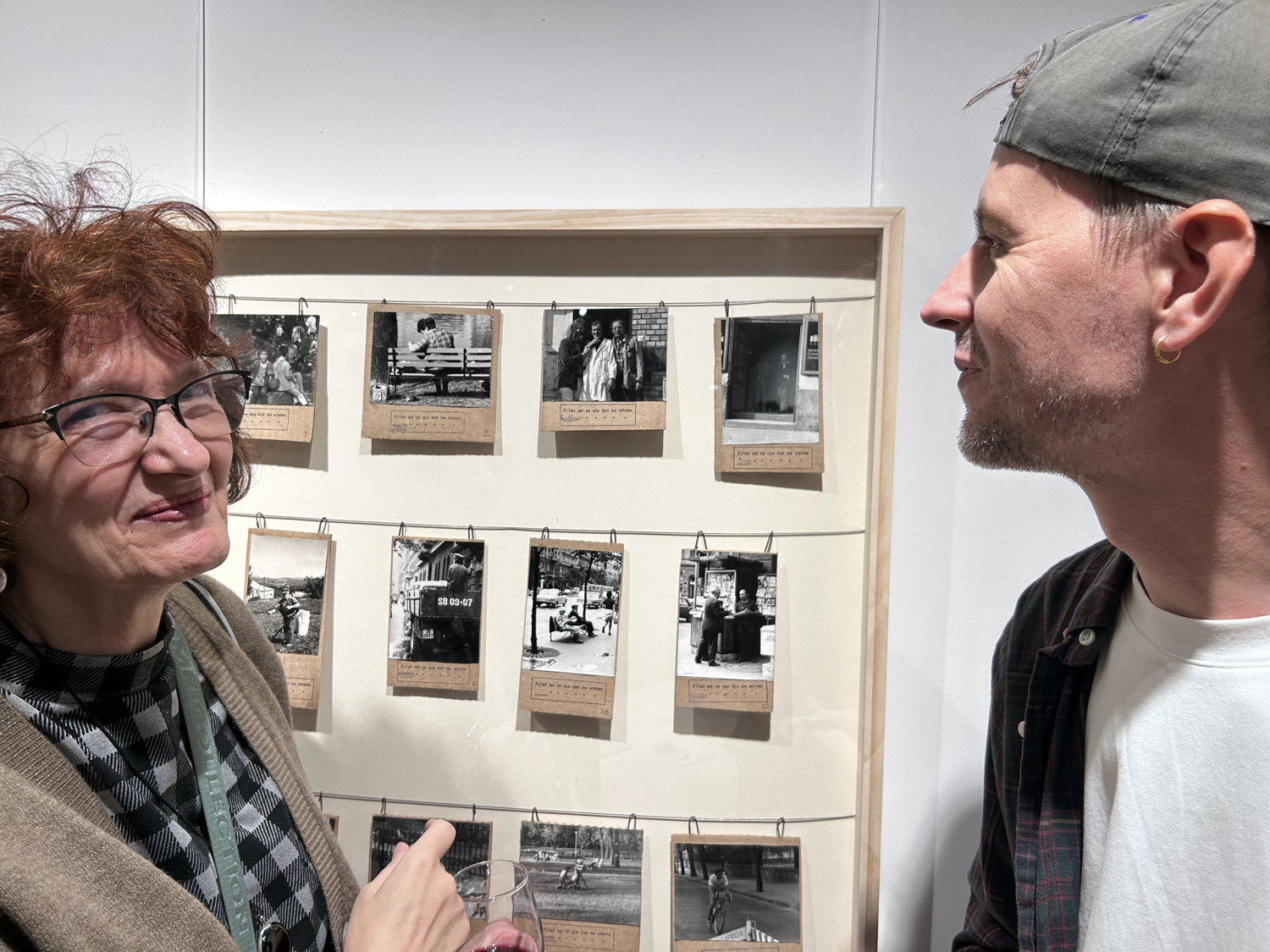
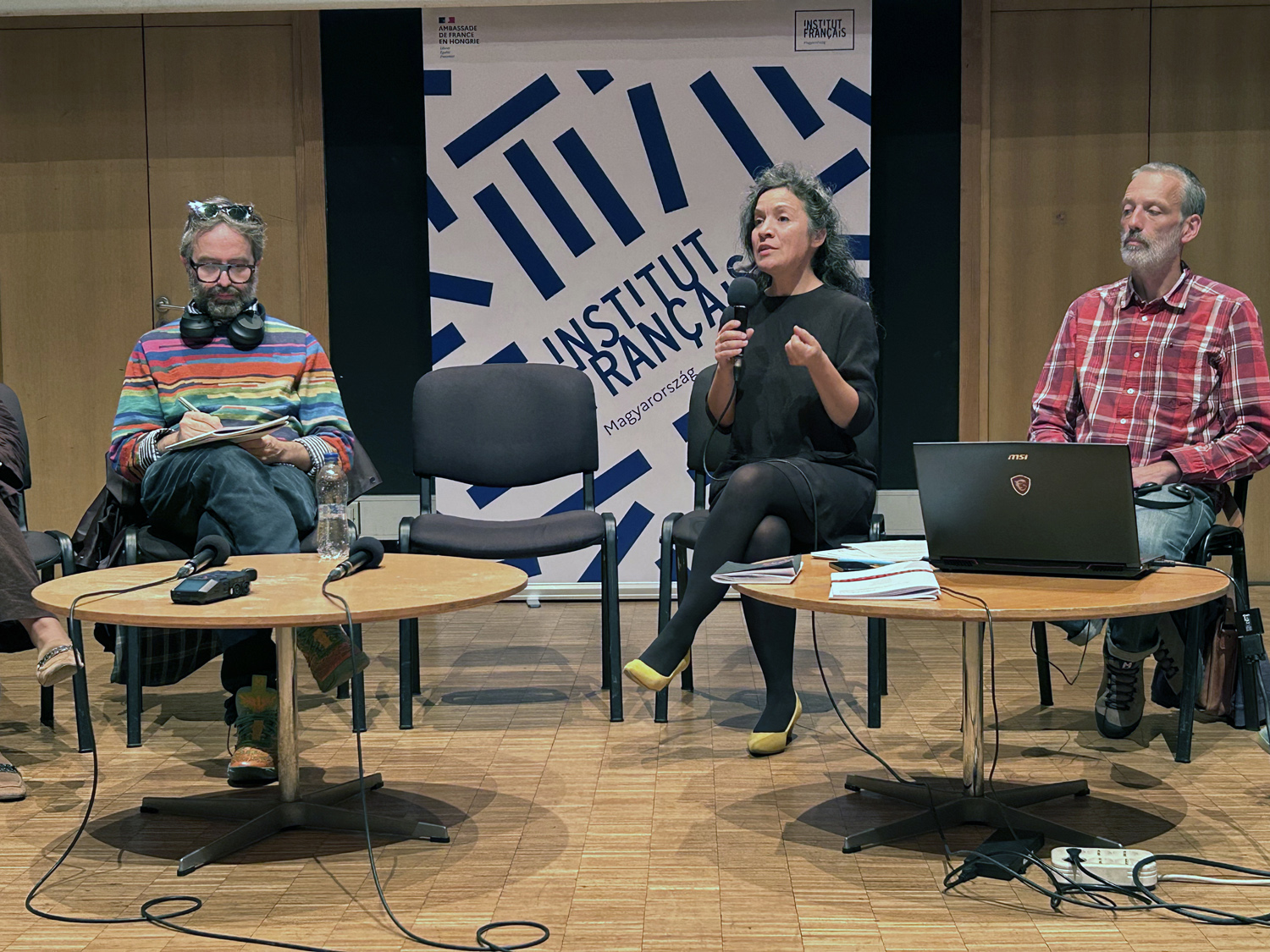
Partners: French Institute, Association Le Belvédère, Museum of Fine Arts – Artpool Art Research Center, MOME, Foundation for Contemporary Art, Department of French at the University of Szeged, Department of French at the Faculty of Humanities, Pázmány Péter Catholic University
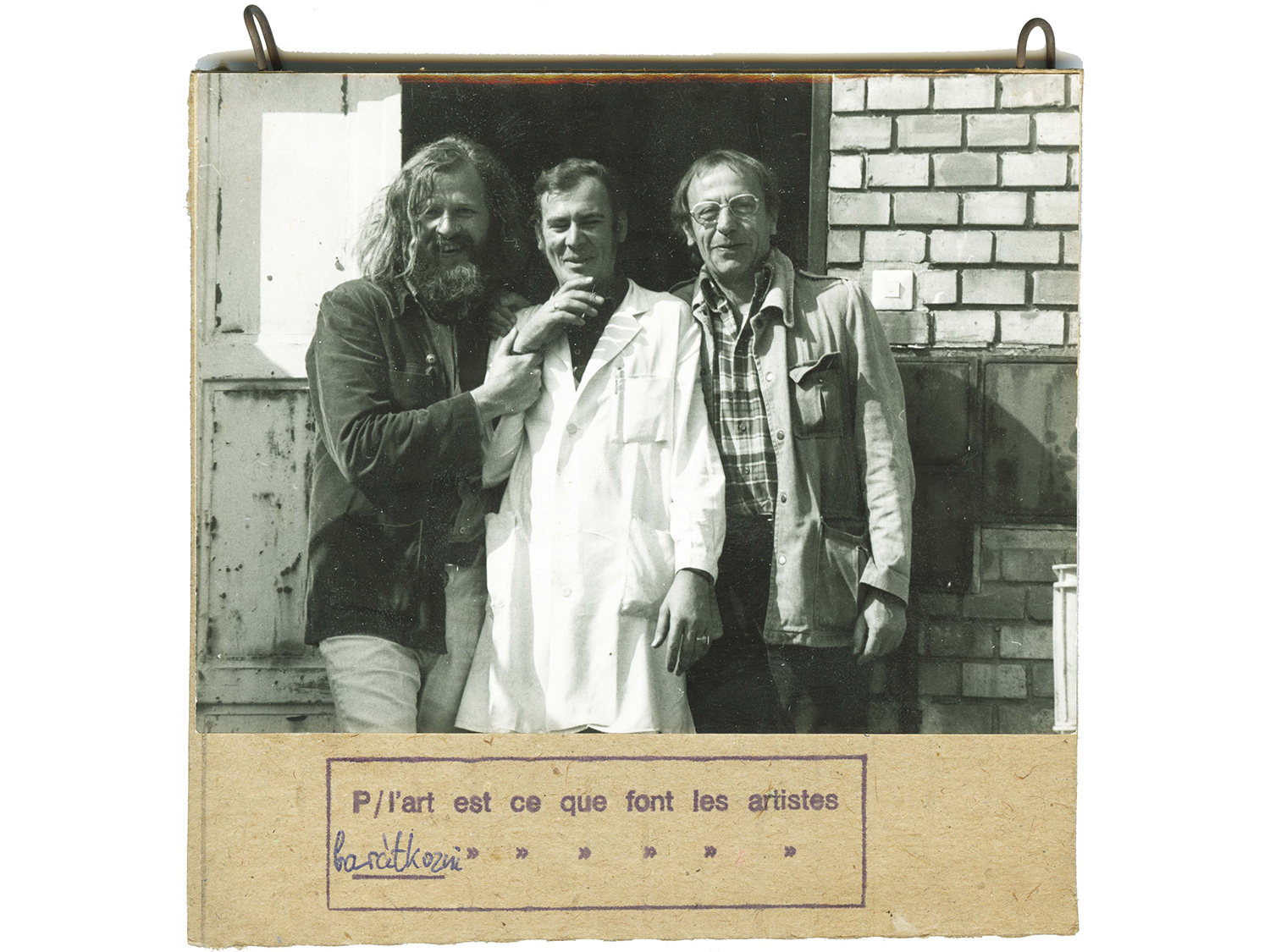
In 1963, French Fluxus artist ROBERT FILLIOU and architect JOACHIM PFEUFER developed the idea of the Poïpoïdrome: they envisioned a space that would foster permanent creativity and encourage communication between people and cultures. The first Poïpoïdrome, which also invited visitors to participate actively, was realised in Budapest in 1976. Documentation of the project is preserved at the Artpool Art Research Center, while elements of the original installation are held in the Museum of Fine Arts’ Collection of Art after 1800. Drawing on these materials, György Galántai first reconstructed the 1976 Poïpoïdrome at Artpool P60 in 1998; they also provided the basis for subsequent reconstructions (including Fluxus East 2007 and 2008) and reinterpretations.
Read more about the Poïpoïdrom and the connection between Artpool and Robert Filliou:
- László Beke: Poipoidrom / introduction to the reconstruction
- Dokuments / Poipoidrom
- Poipoidrom: présentation au public (Budapest, 1976)
- Filliou: Telepatikus Zene / Telepathic Music
- Judit Bodor and Roddy Hunter : The Poïpoïdrome in Budapest: A Case Study in Curating Changeability in Contemporary Art (Apparatus. Film, Media and Digital Cultures of Central and Eastern Europe, Issue: Doing Performance Art History. Perspectives of Actors and Observers, October 2020)
POÏPOÏ FOLYÓ
Situated at the intersection of art, ecology and scientific research, the Poïpoï Folyó project brings together artists, researchers and local communities in a collective, transdisciplinary process. The project explores the forms our relationships with rivers take, the ways in which rivers are used and interpreted, and the collective imaginaries and representations associated with them.
Background
• January 2022: Céline Domengie launches the Poïpoïdrom flottant(e) [Floating Poïpoïdrome] project, aimed at creating a boat/raft that would serve as a communal space. Its purpose is both to cultivate friendship with the rivers of the Lot Valley and to extend the project to other rivers.
She approaches Artpool with her research plan and a proposal for collaboration.
• 2022–2023: The Poïpoïdrom flottant(e), a floating Poïpoïdrome, is completed. It hosts concerts, discussions, participatory art projects and exhibitions reflecting on ecological themes on the River Lot. The work is inspired by the Poïpoïdrome first conceived by Robert Filliou and Joachim Pfeufer in 1963. A “centre of public uselessness” dedicated to continuous creation, based on the desire to cultivate happiness, humour, a change of environment, participation, and openness.
• November 2023: Céline Domengie visits Artpool. The project and research plan are discussed, and she becomes acquainted with the archival documents held by Artpool relating to Robert Filliou and the 1976 Poïpoïdrome installation in Budapest.
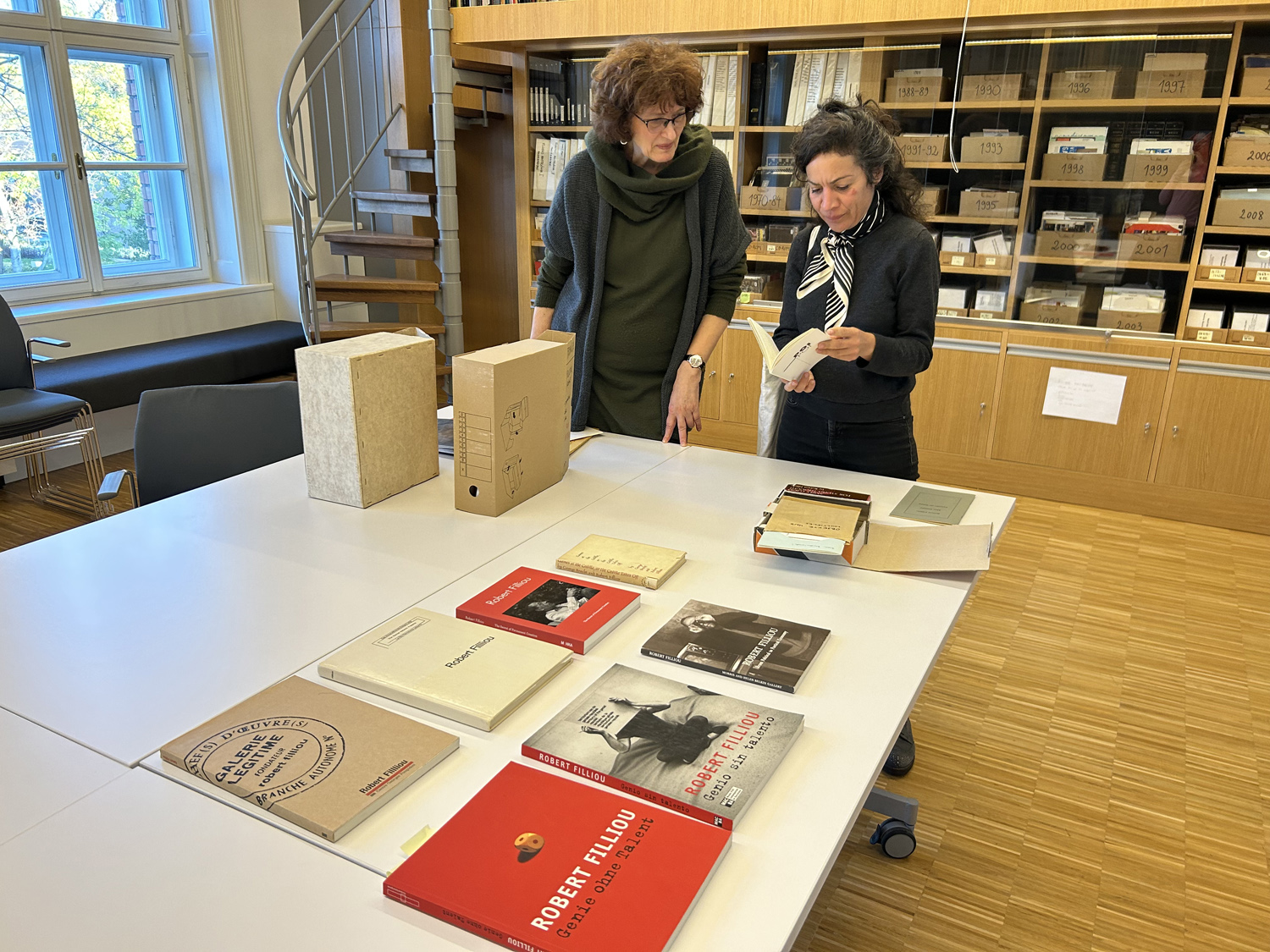
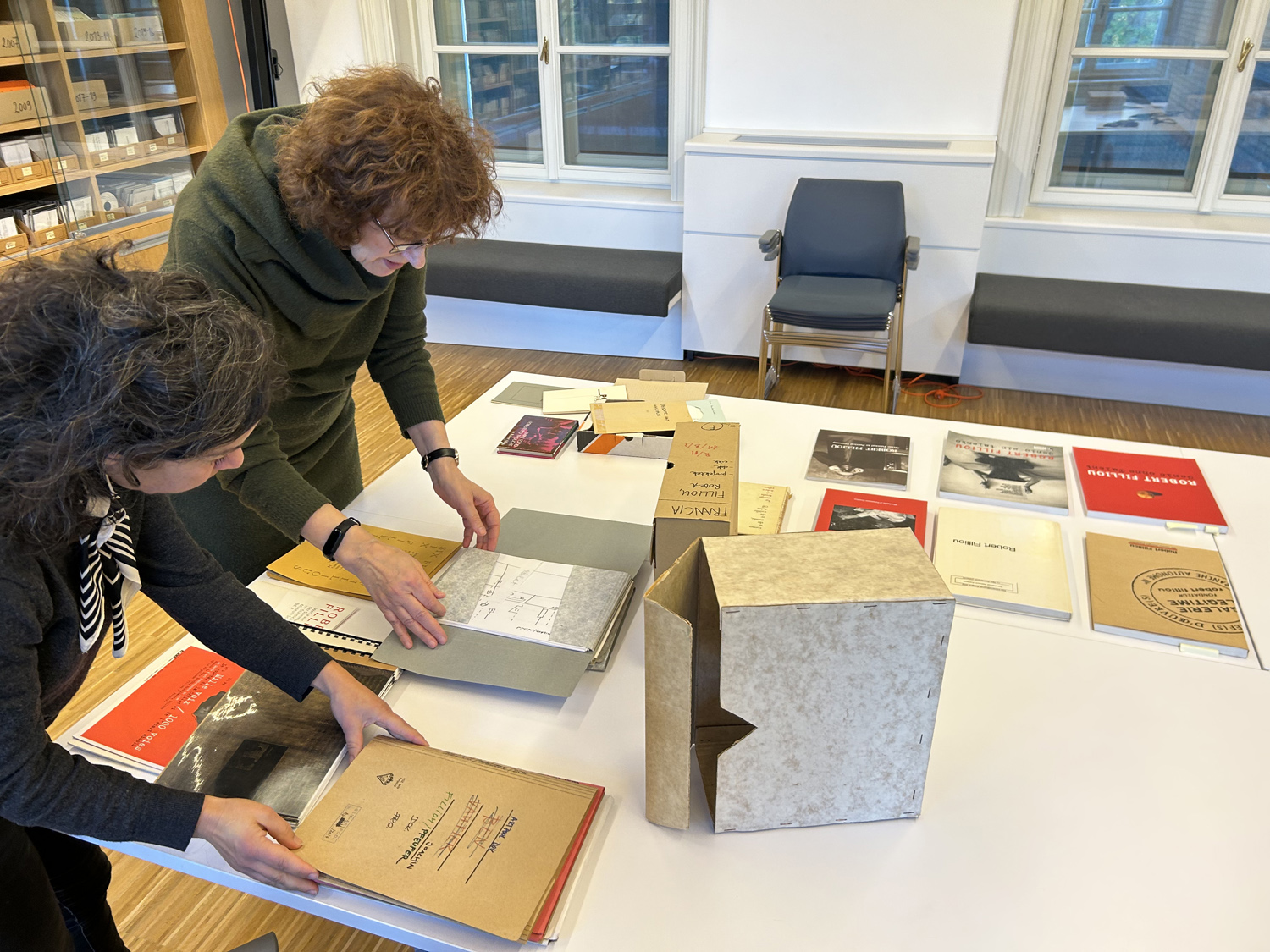
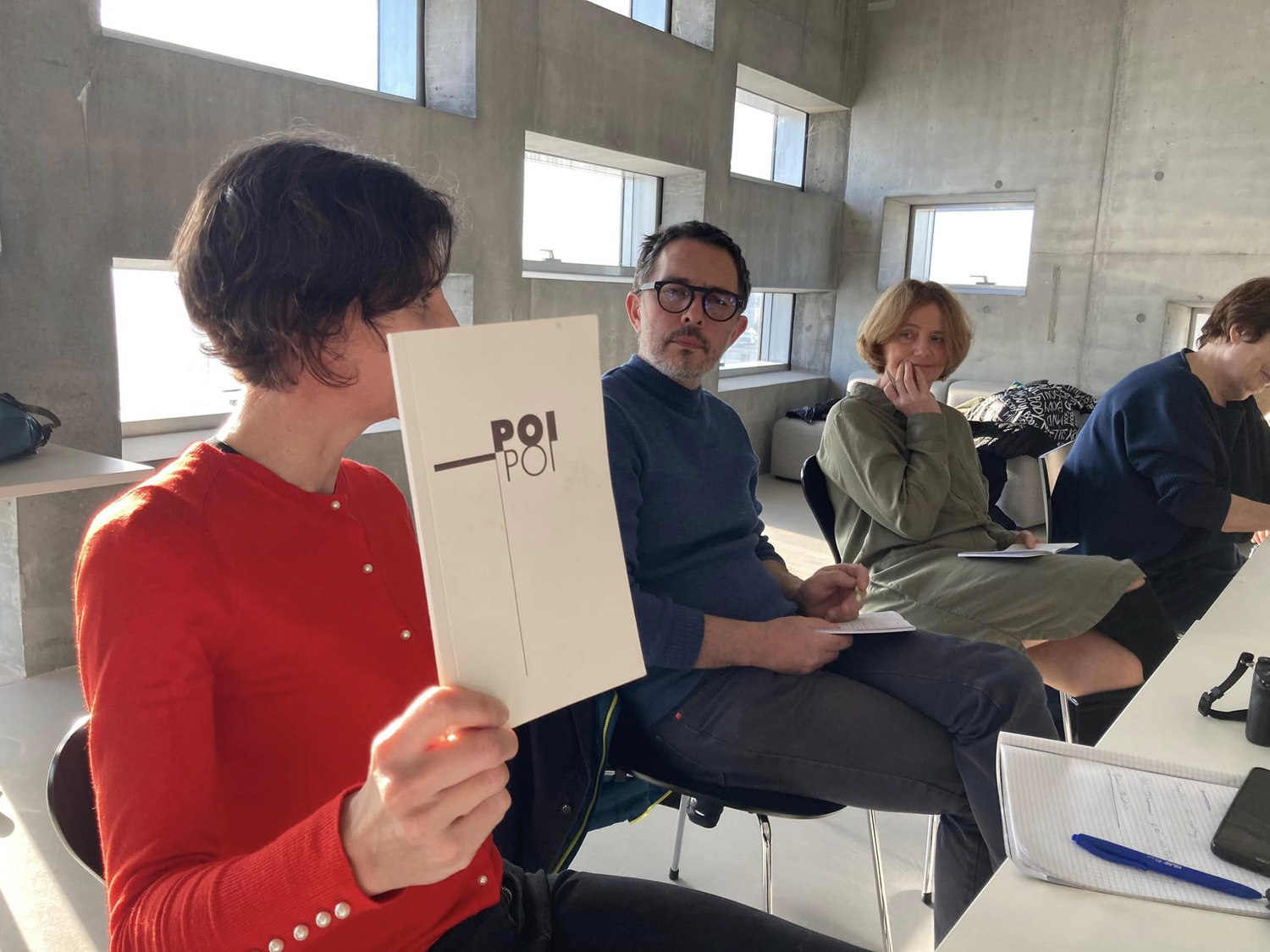
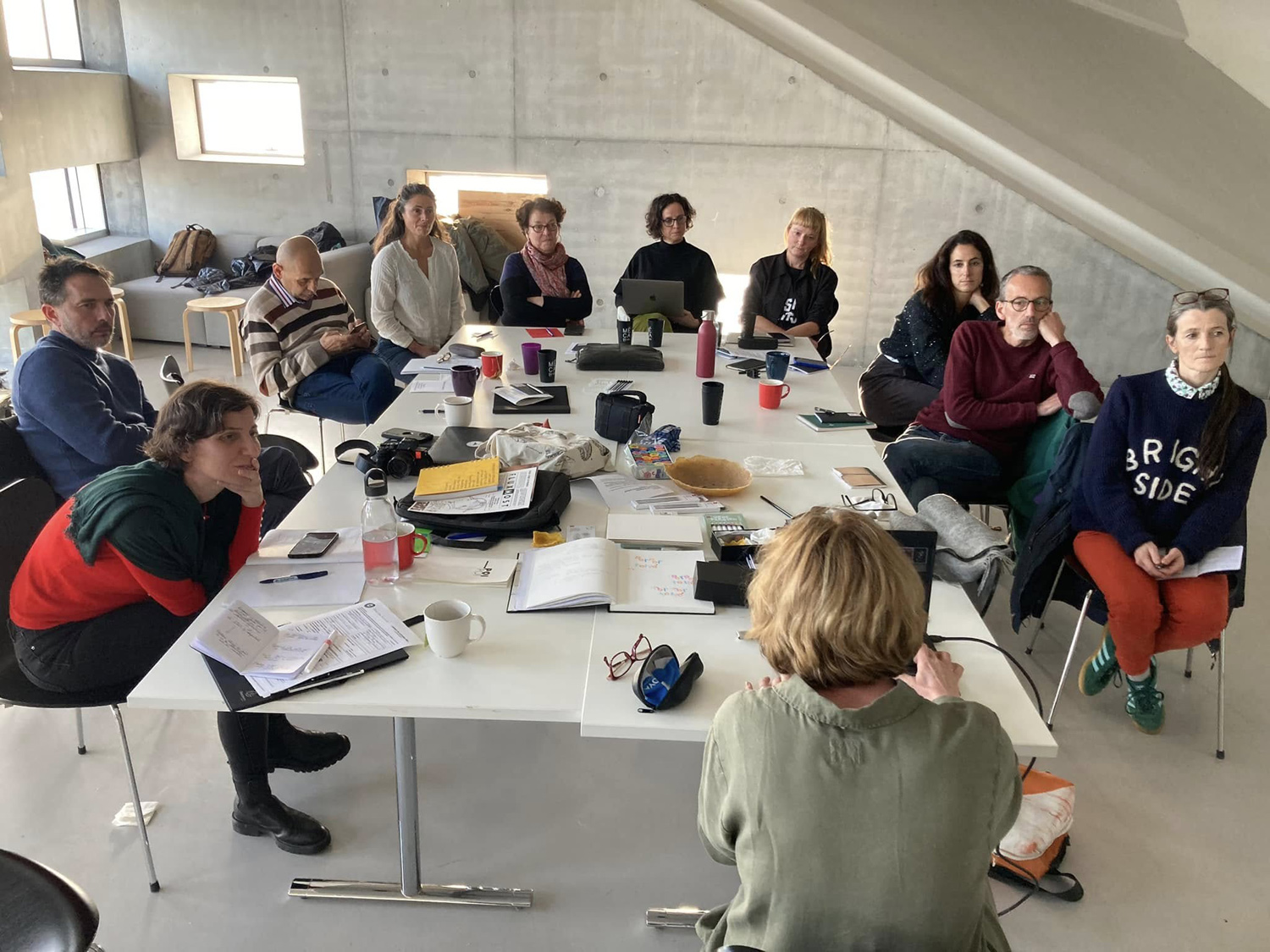
• November 2024: a workshop in Bordeaux and Casseneuil to prepare for the joint project, which is now taking shape, with the participation of French and Hungarian artists and theorists.
Artpool is represented by Gabriella Schuller, whose presentation addresses the political and aesthetic context of the 1976 Poïpoïdrome installation in Budapest, as well as its subsequent reconstructions.
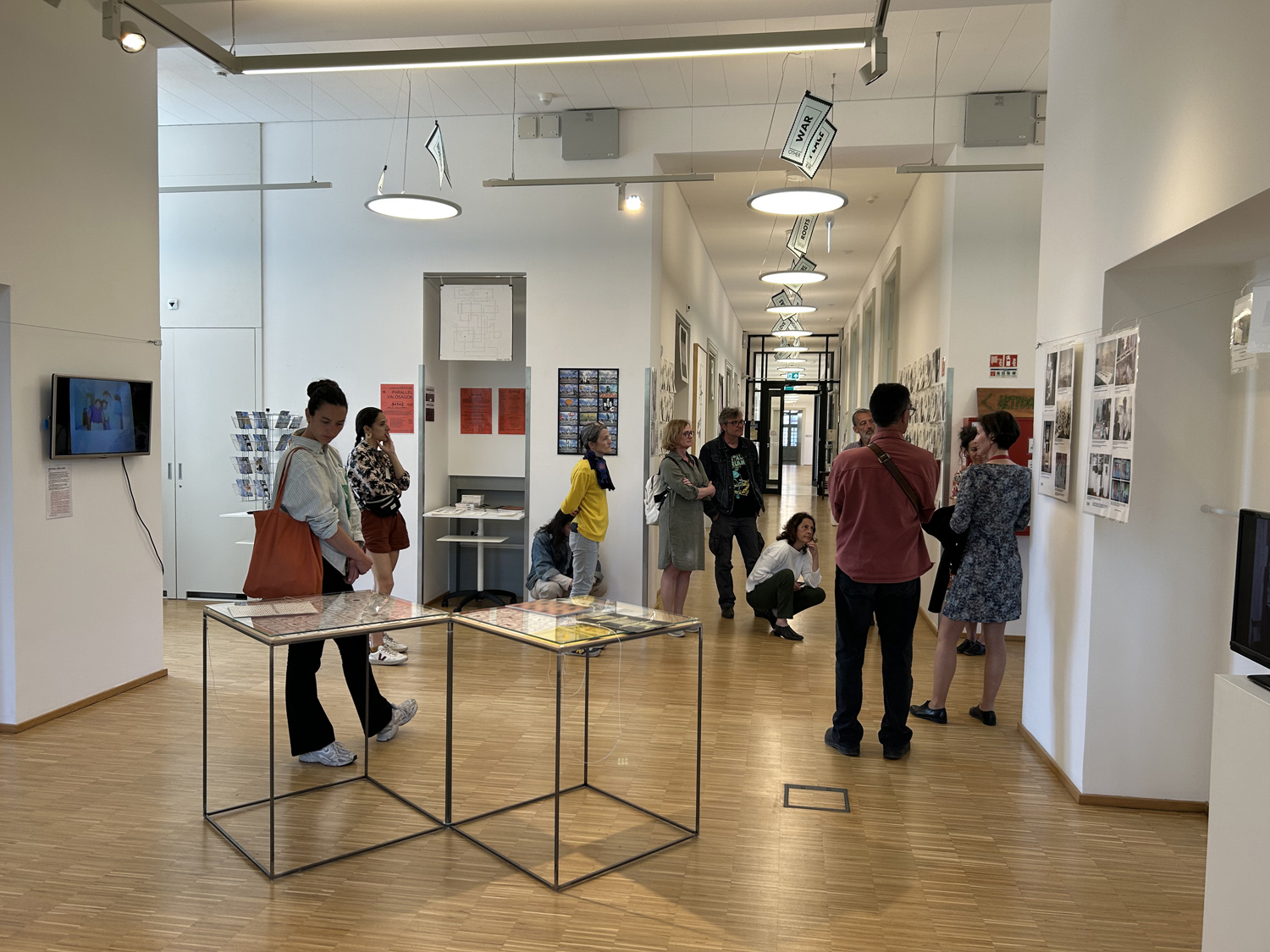
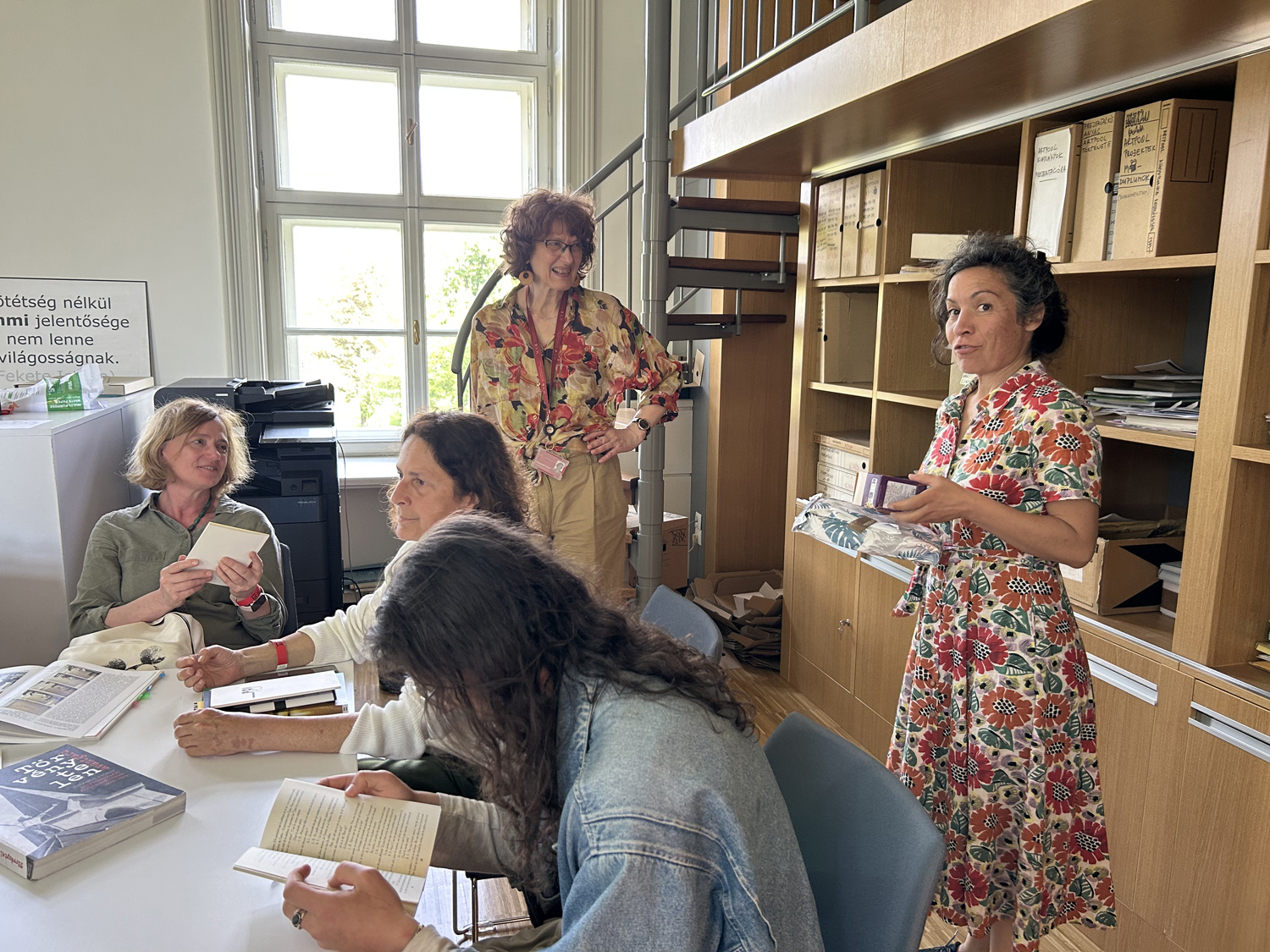
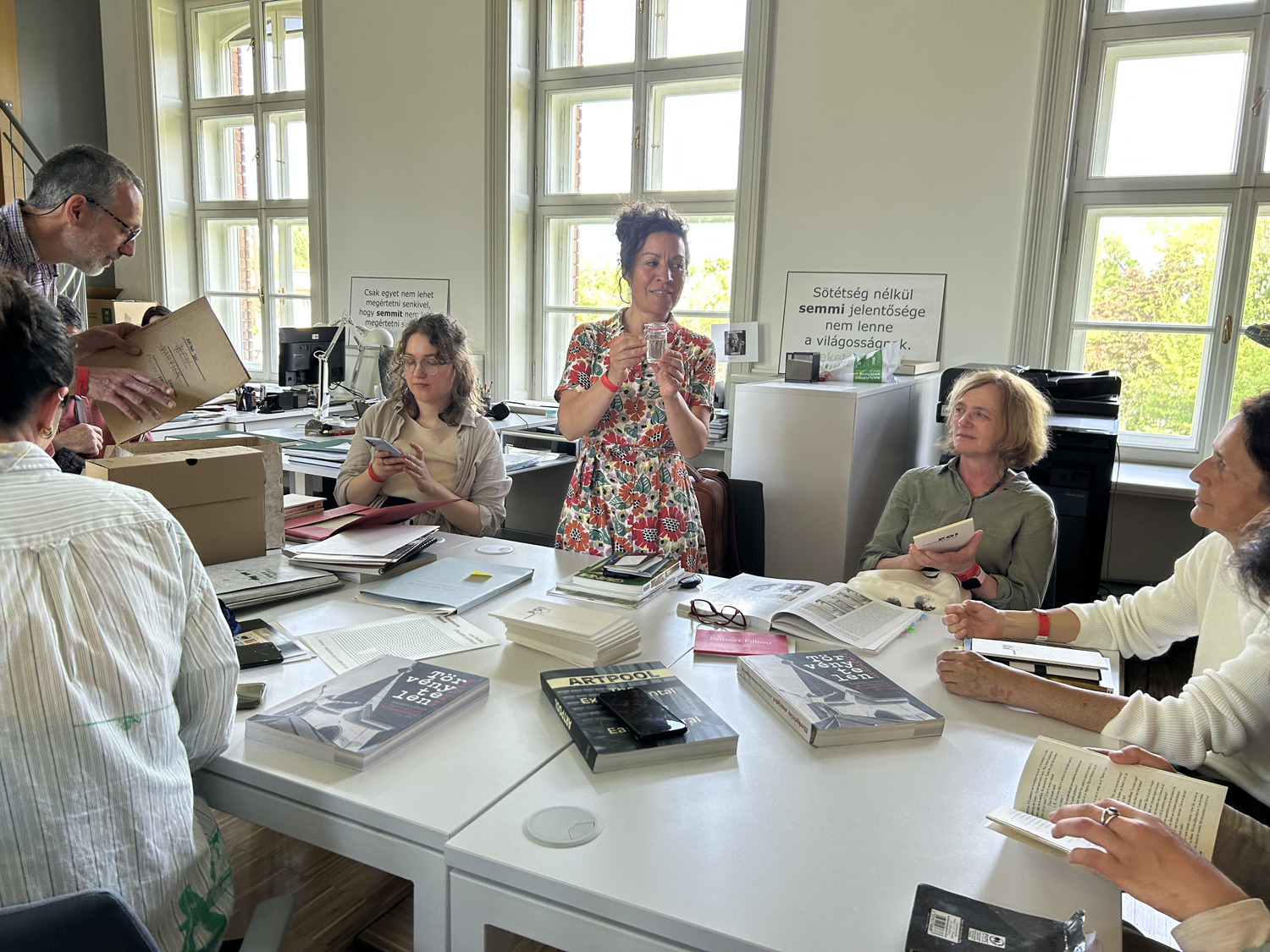
• April 2025: Led by Céline Domengie, the French research group of the Poïpoï Folyó project undertakes an exploratory journey to the Danube Valley, Budapest and Szeged. The group visits the Artpool Art Research Center for an introductory discussion, followed by a visit to the Museum of Fine Arts’ art storage facility, where preserved elements of the original 1976 installation "Le (ou la) Poïpoïdrome à espace-temps réel prototype 00" are housed.
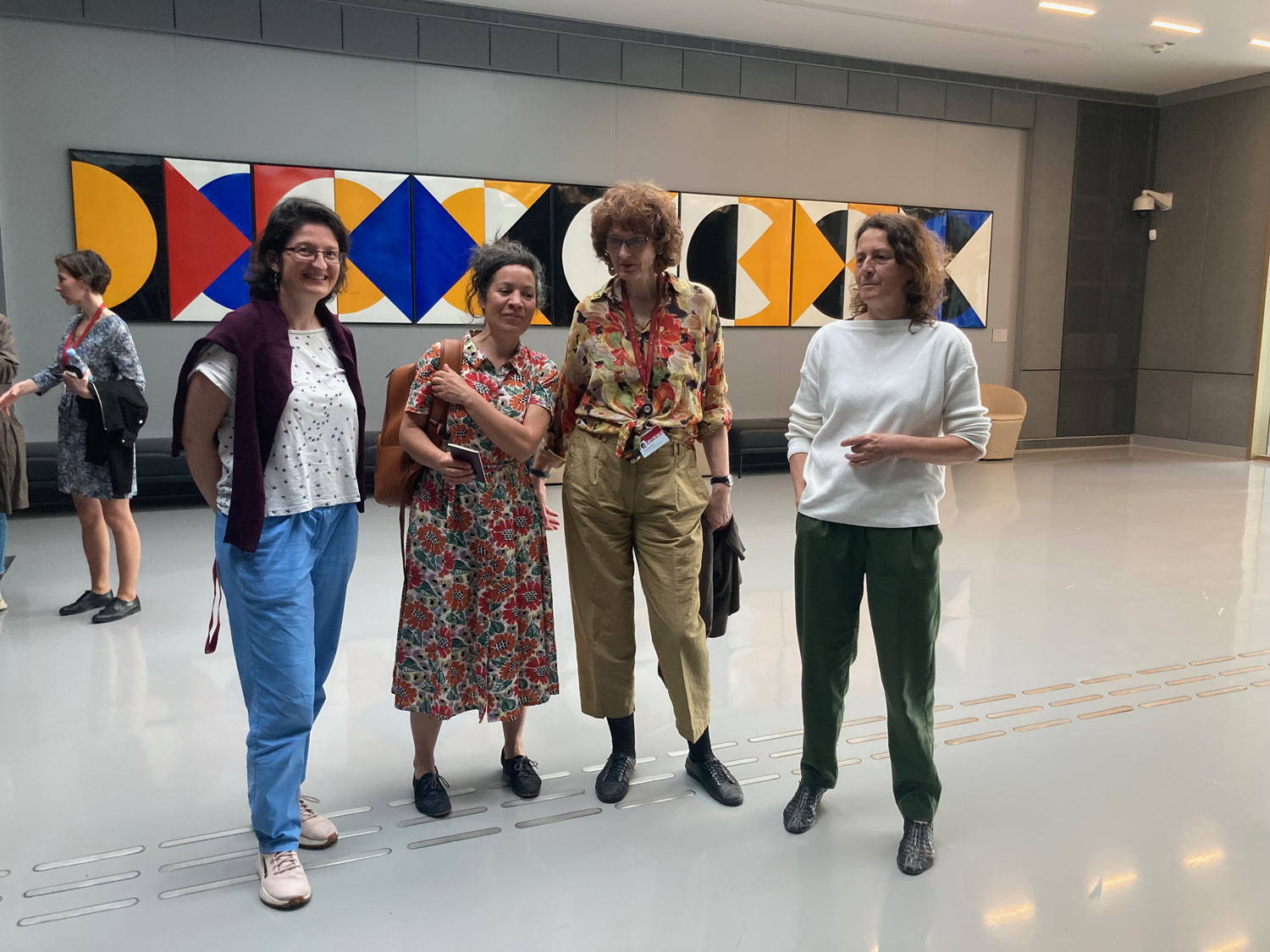
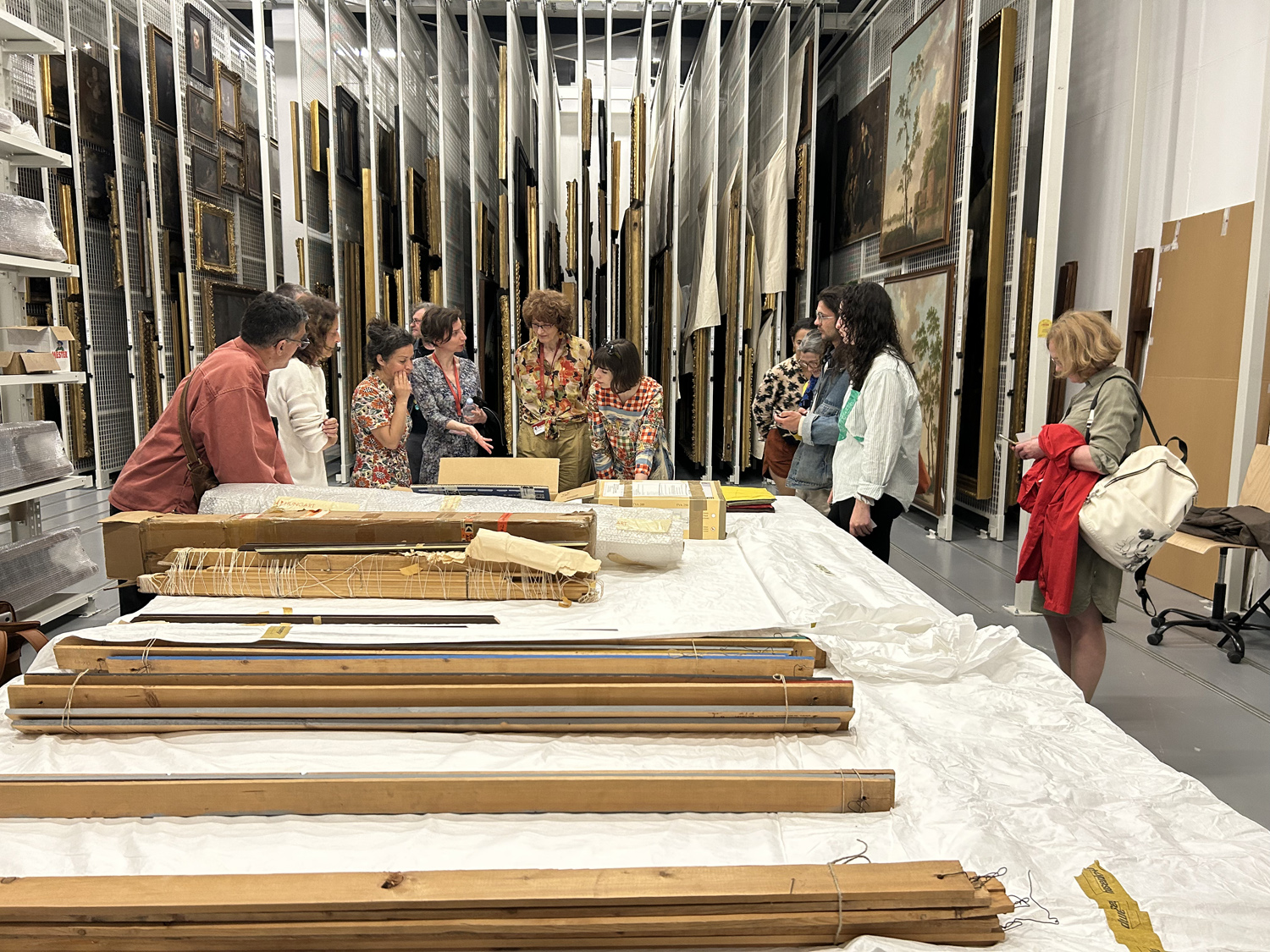
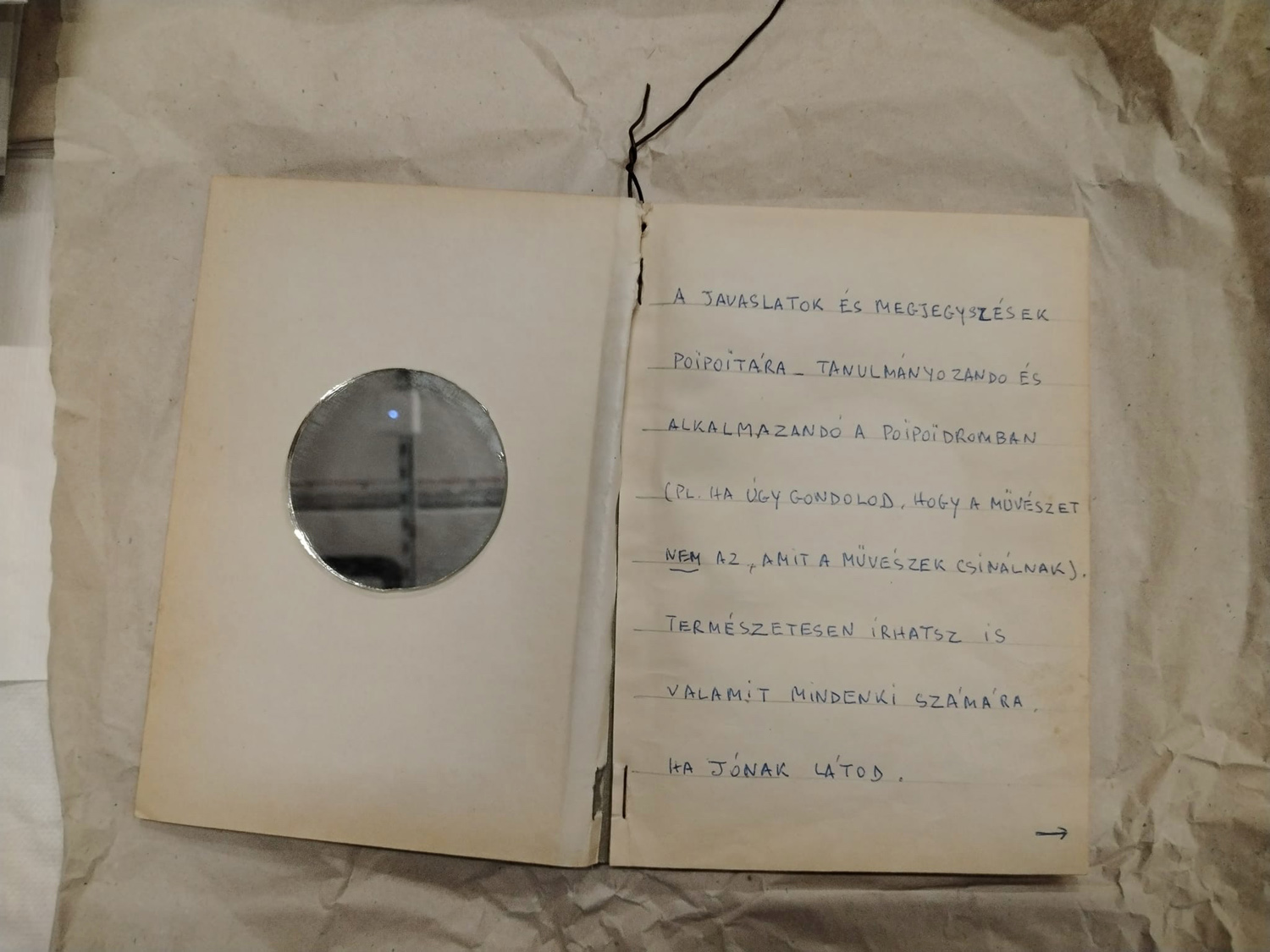
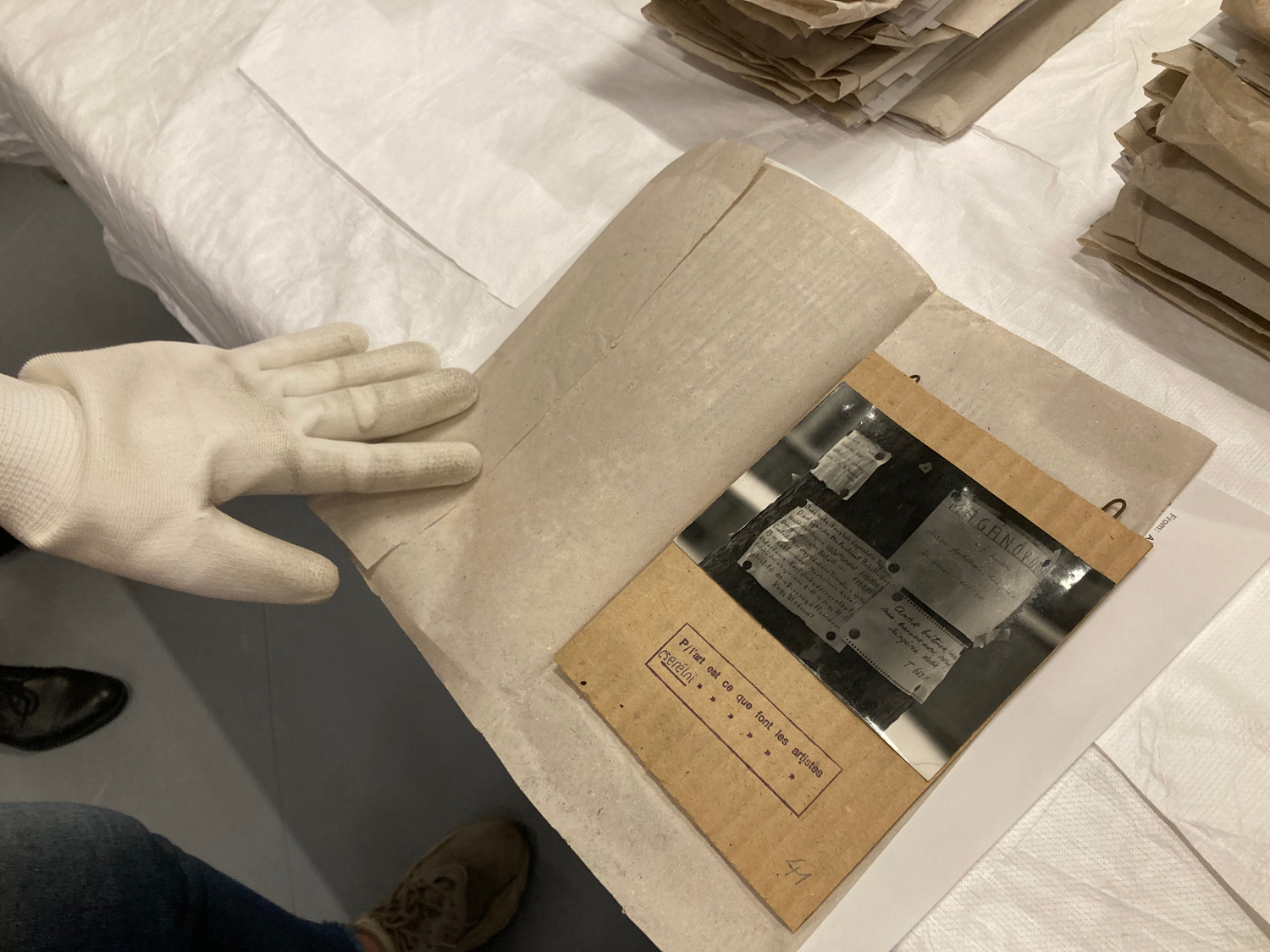
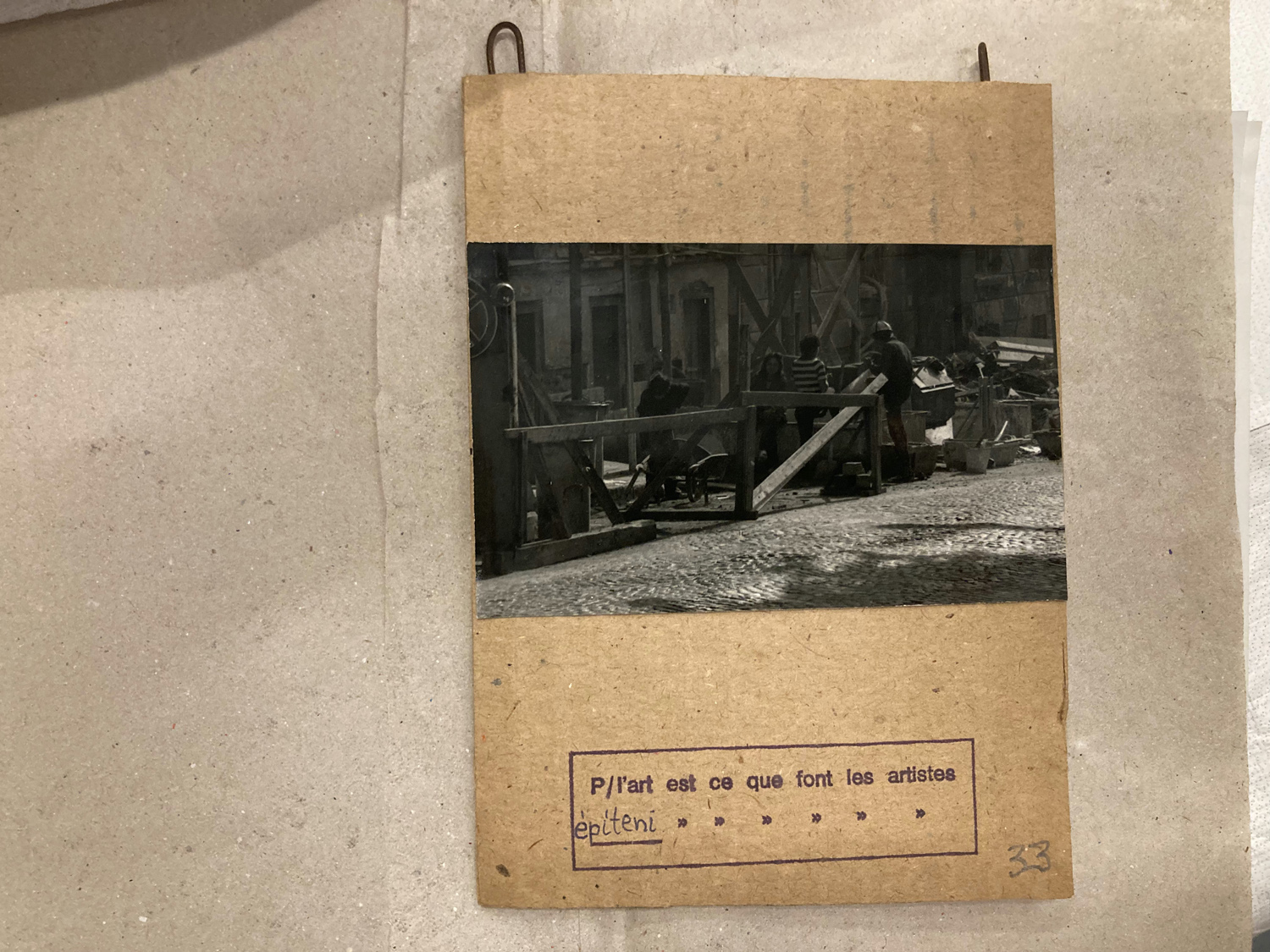
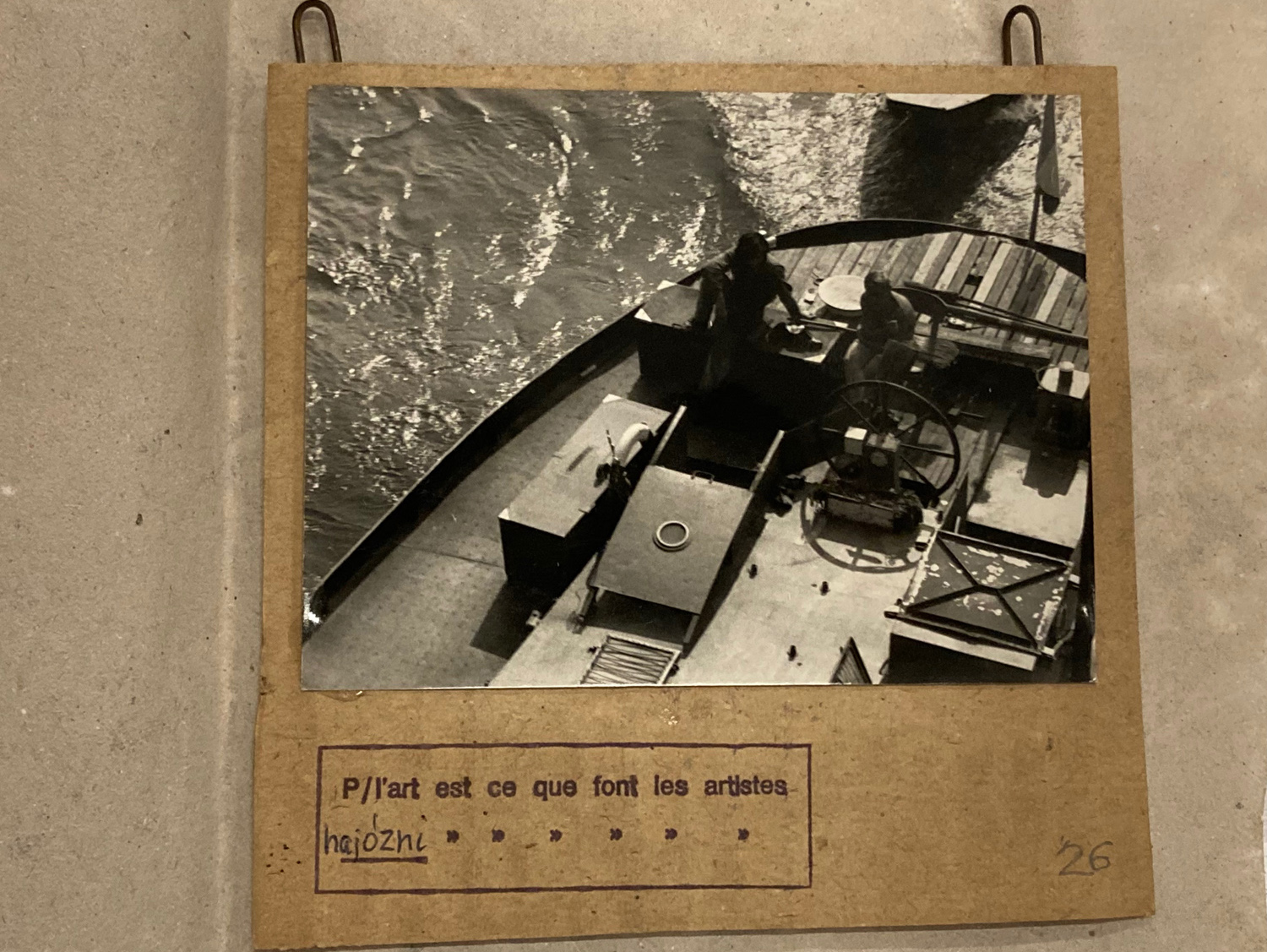
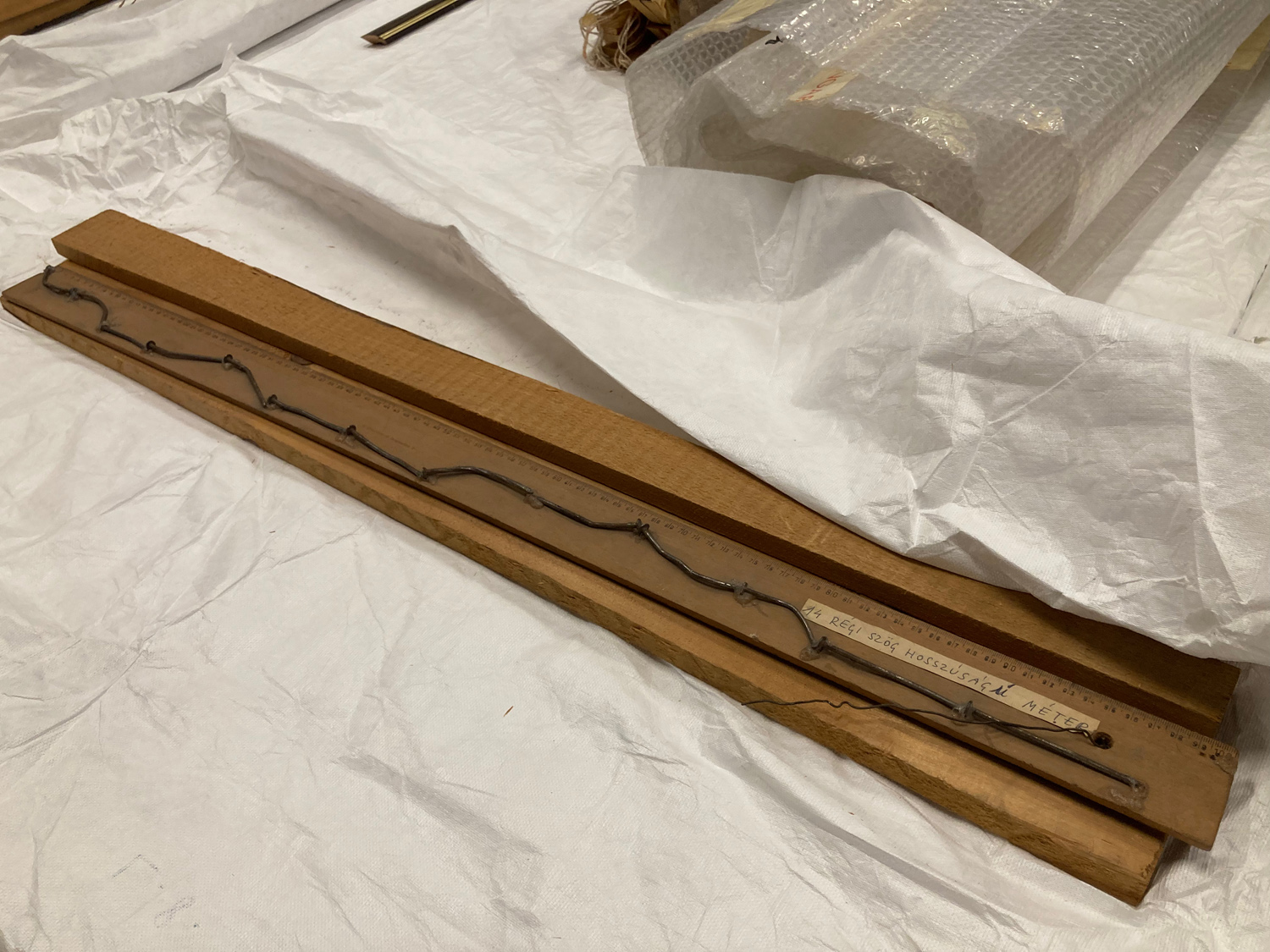
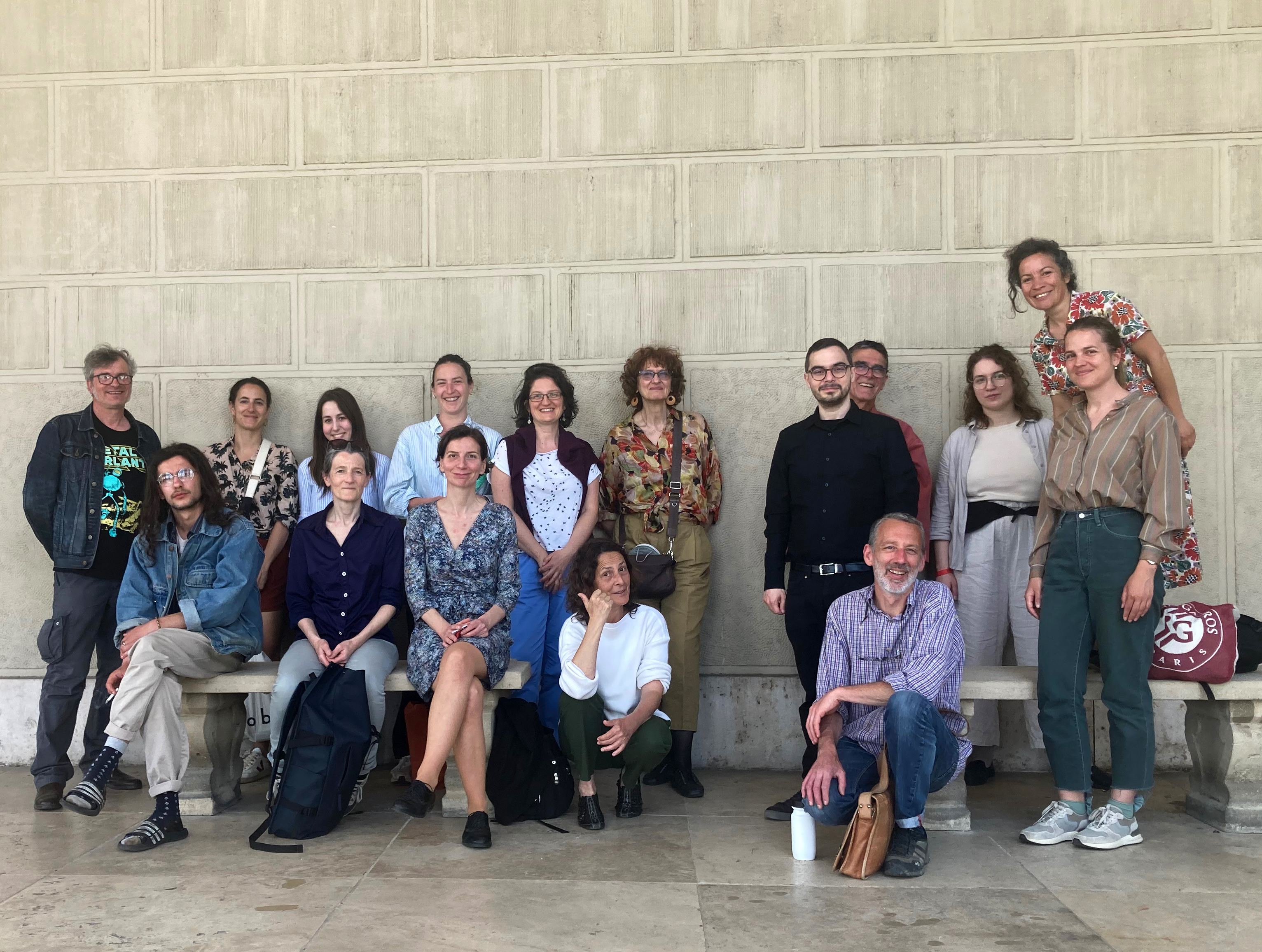
• Autumn 2025: The French and Hungarian participants meet again in Casseneuil, where they work together. Their activities focus on the Danube, Tisza and Lot rivers.
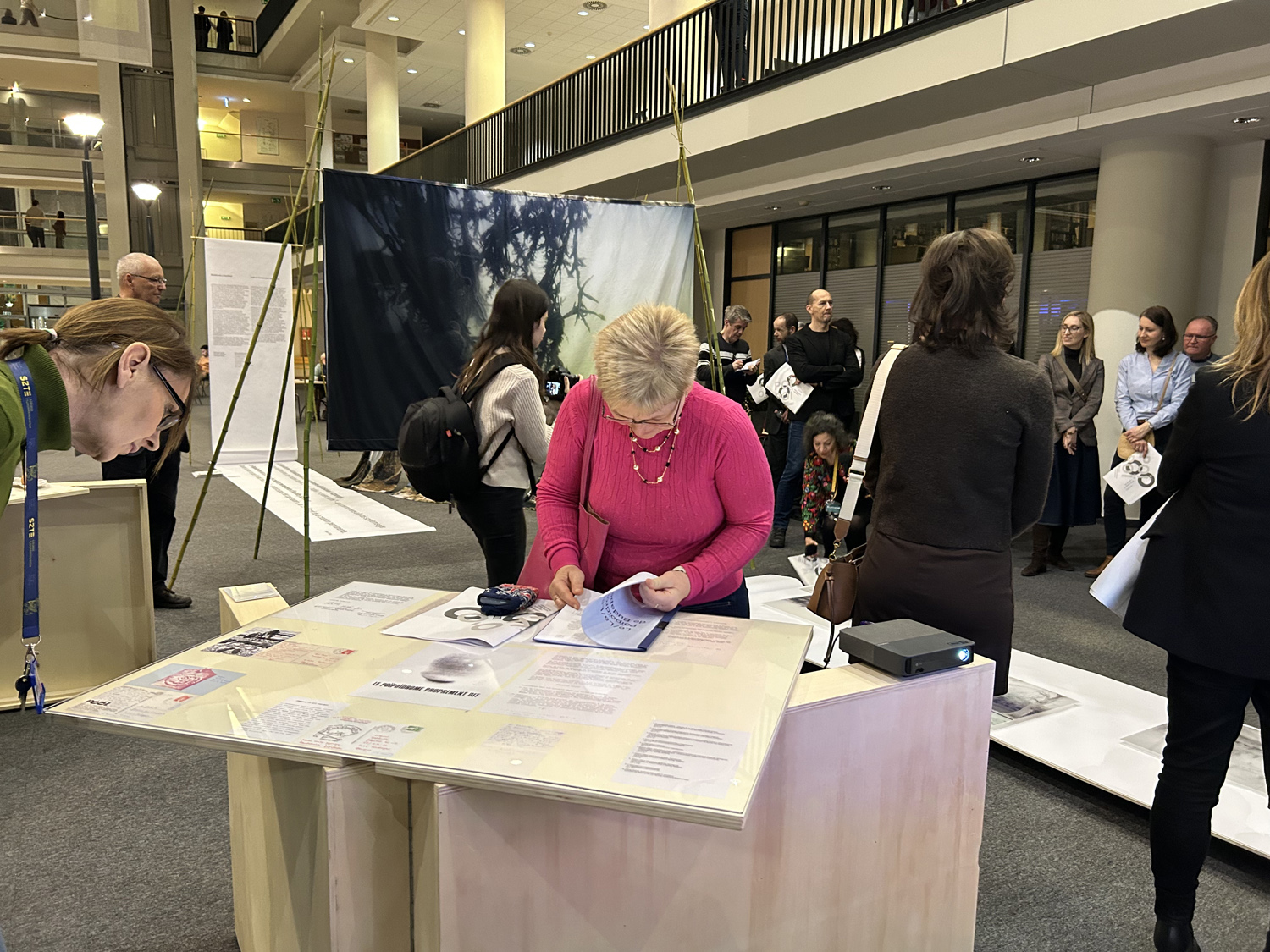
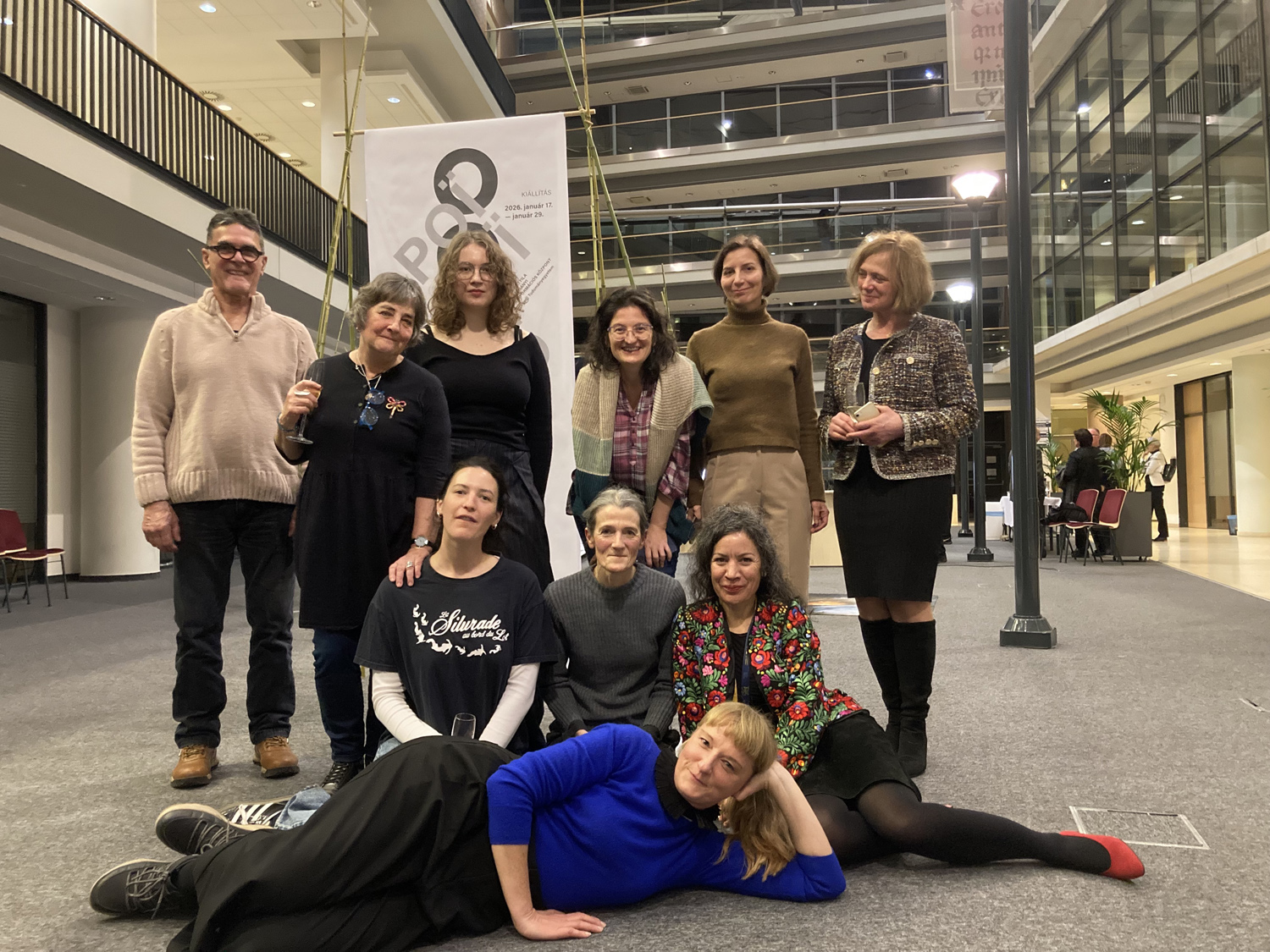
• 17 January 2026: The first exhibition of the Poïpoï Folyó project opens at the Attila József Study and Information Centre of the University of Szeged.
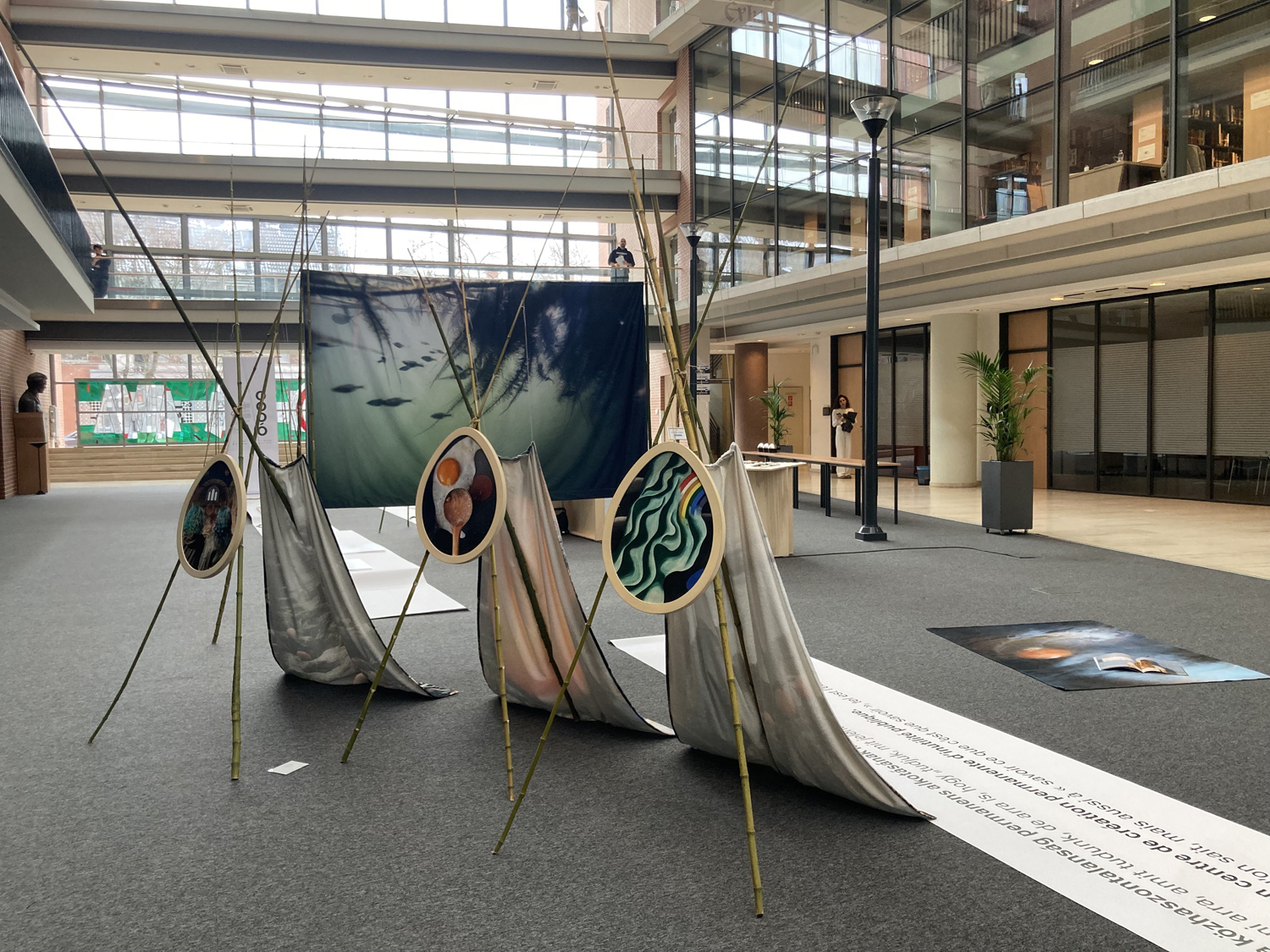
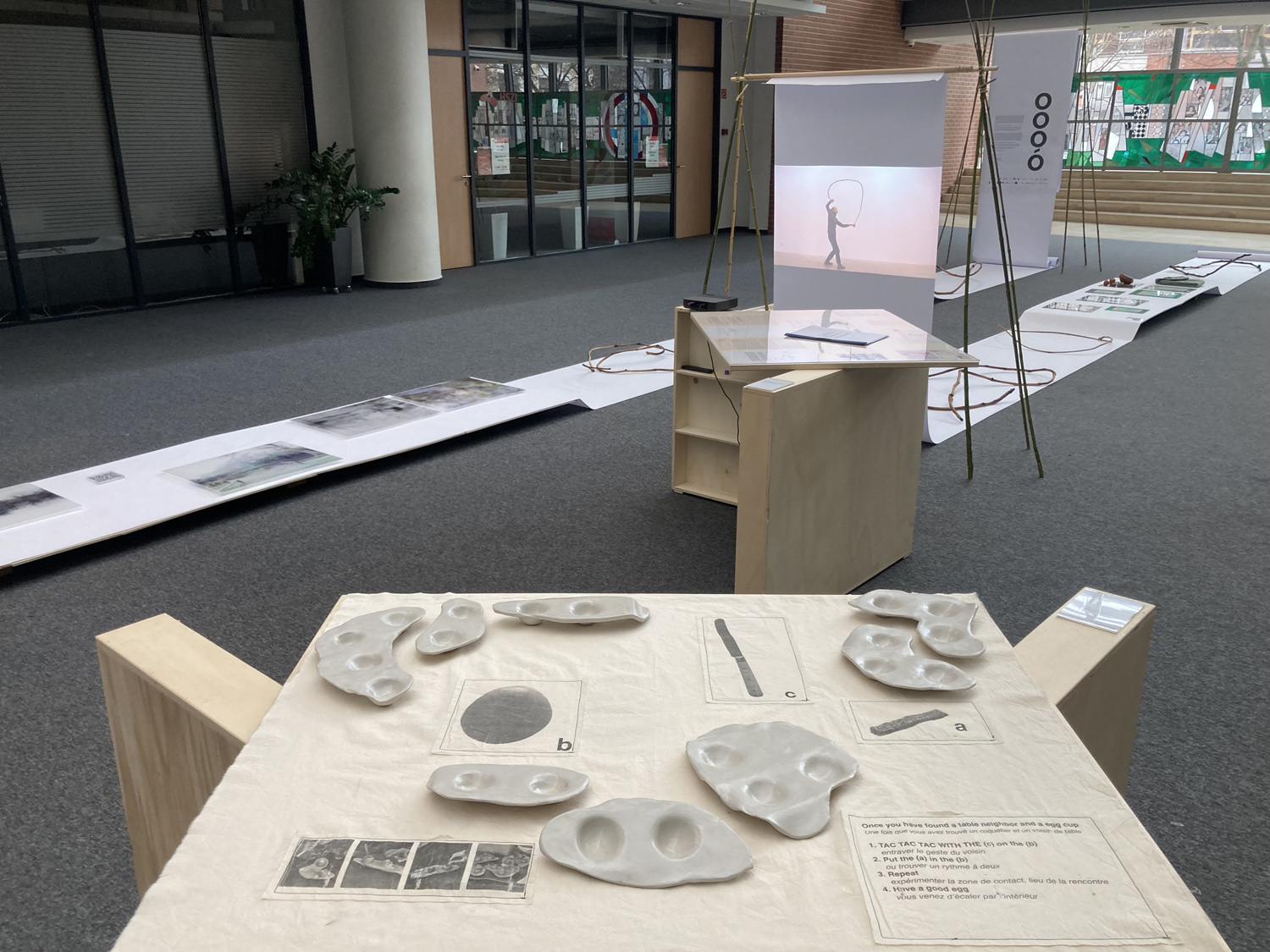
The works, created in a variety of media, engage with motifs from Filliou’s Poïpoïdrome and reflect on the cultural, material and ecological existence of rivers. The participating artists are Christophe Clottes, Anna Consonni, Krisztina Erdei, Daniella Grinberg, Kristof Guez, Robert Filliou and Joachim Pfeufer, and Véronique Lamare.
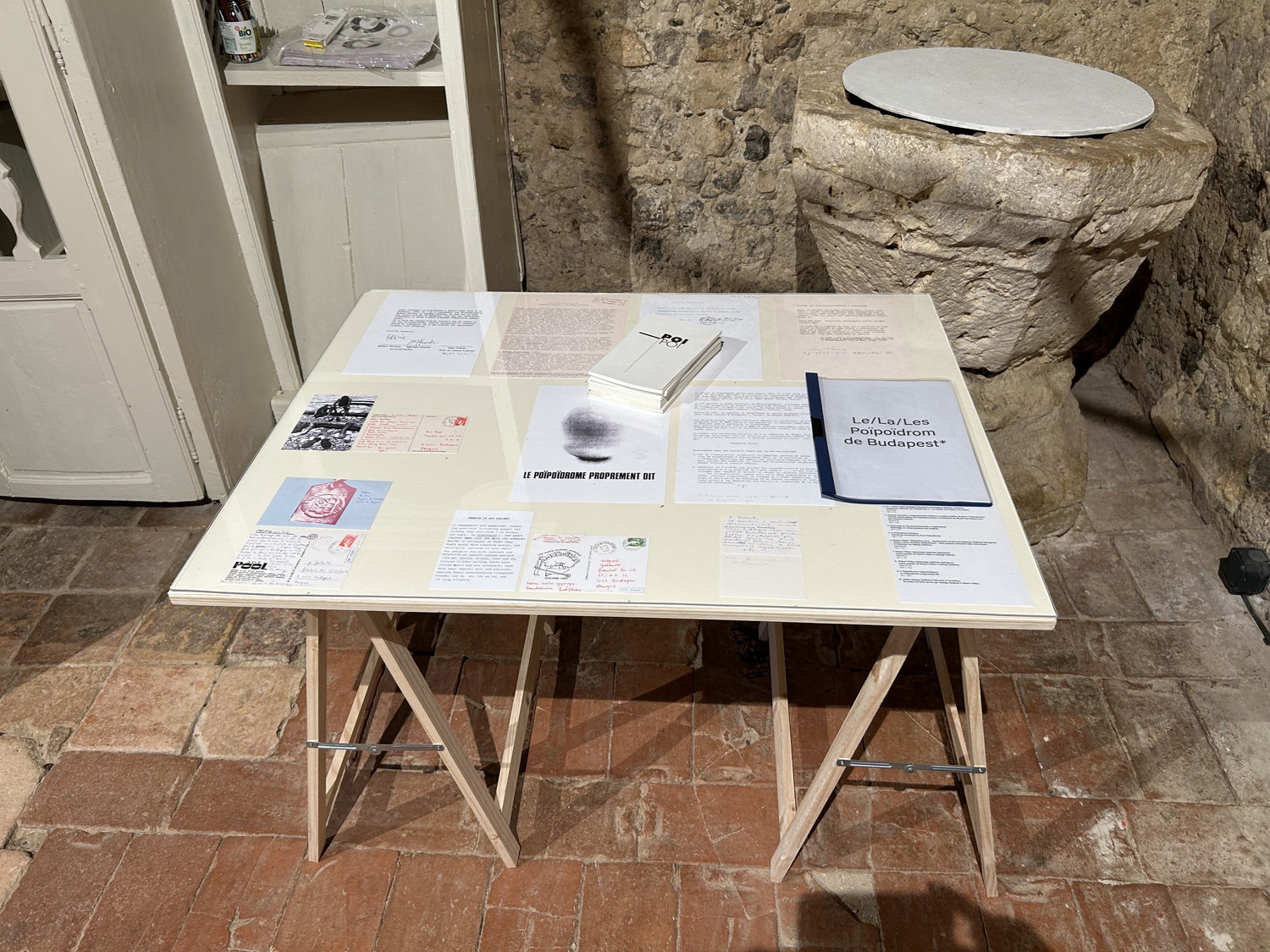
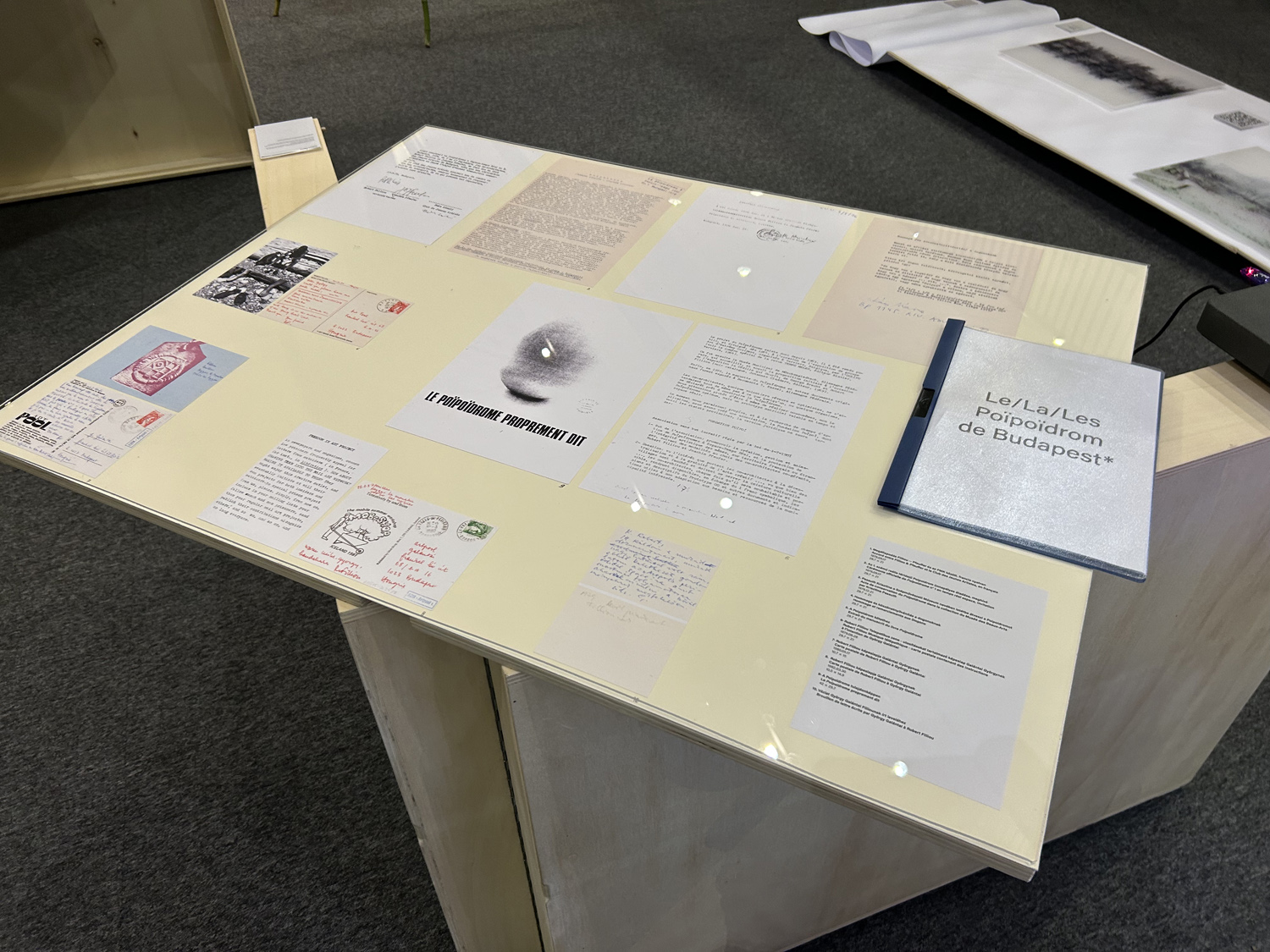
Materials from the Artpool collection include documentation of the opening of the Poïpoïdrome in Budapest in 1976, as well as documents relating to the correspondence between György Galántai and Robert Filliou in the context of “contact art”.
(The Facebook event for the exhibition in Szeged)
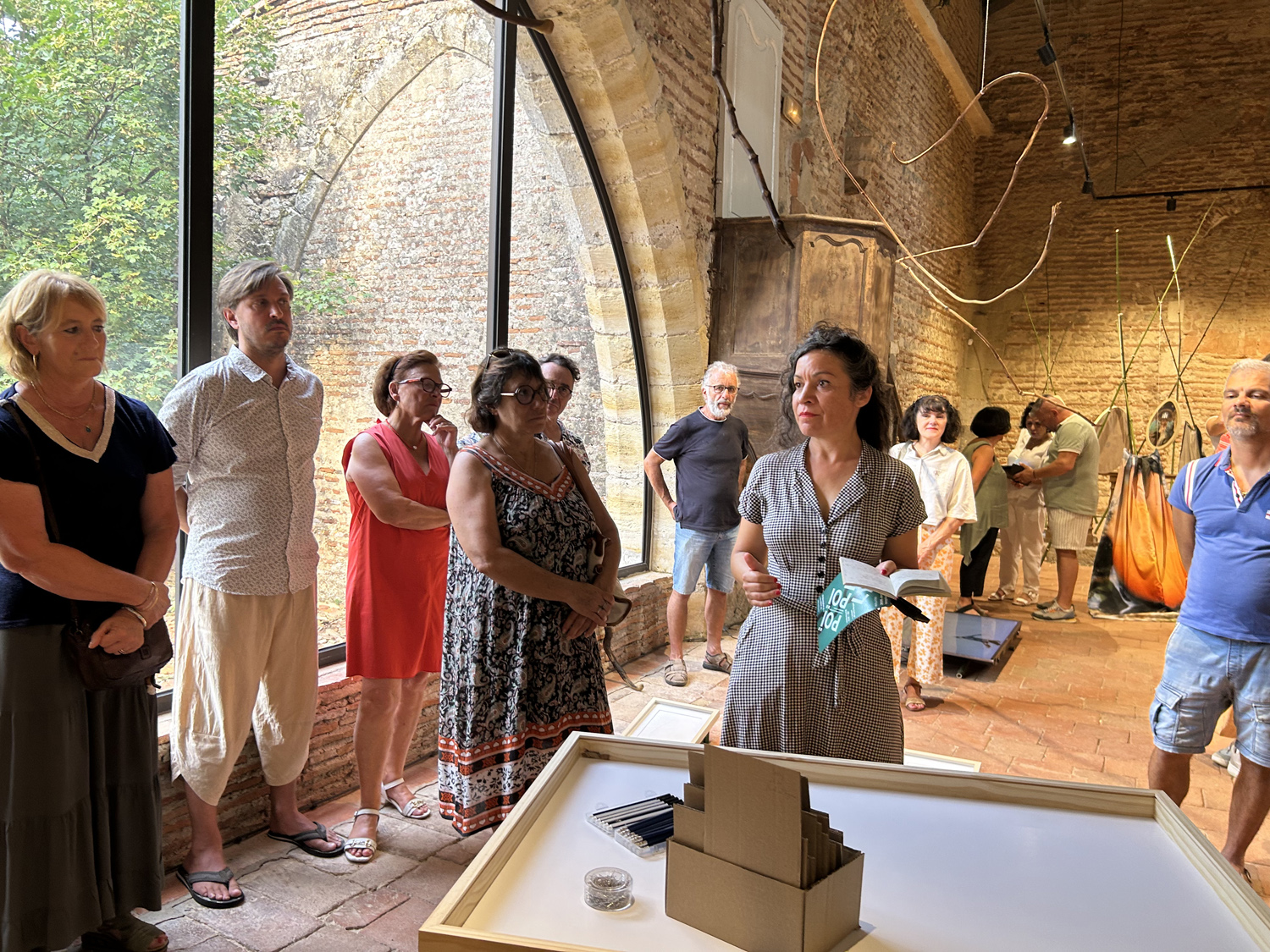
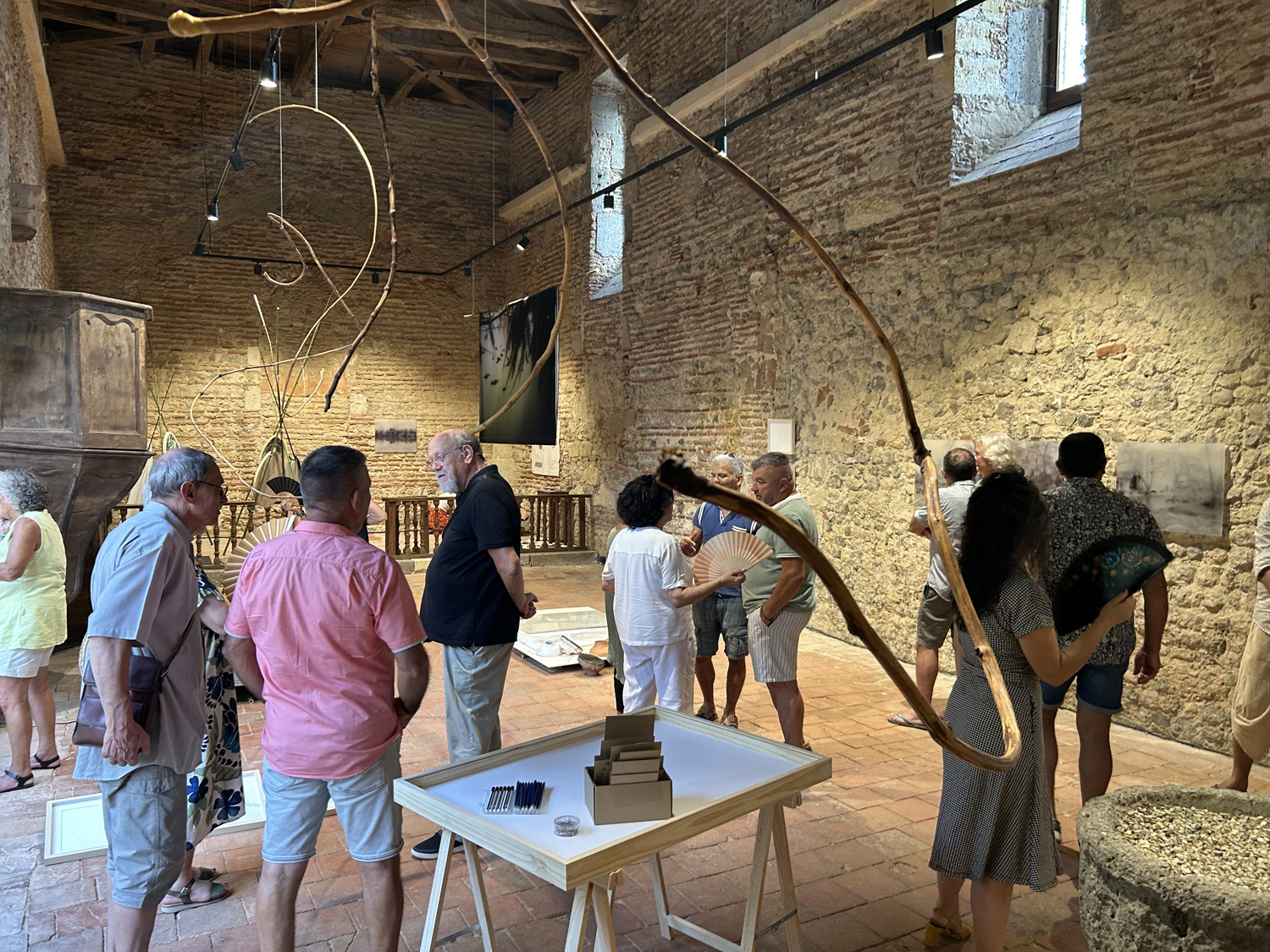
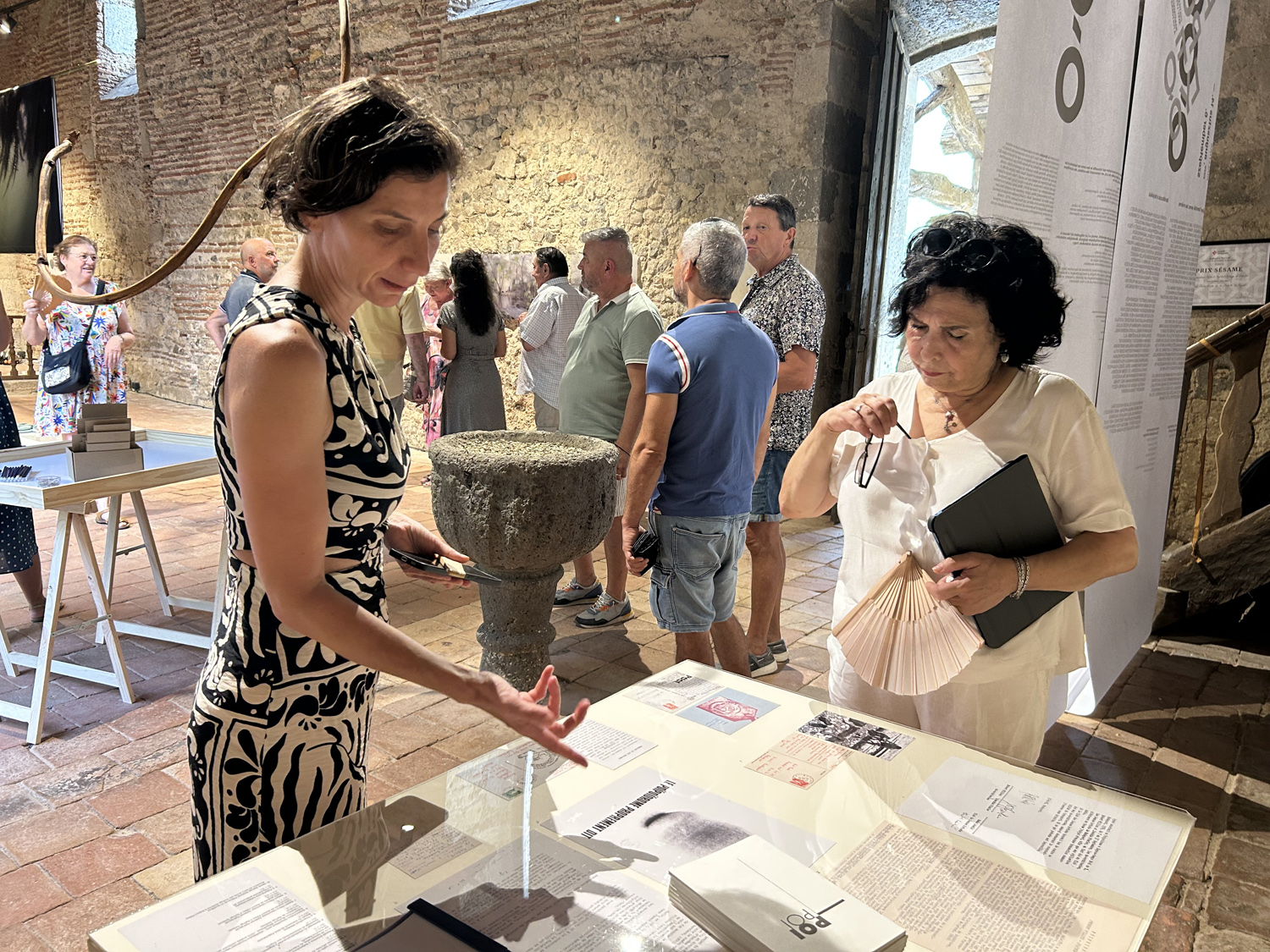
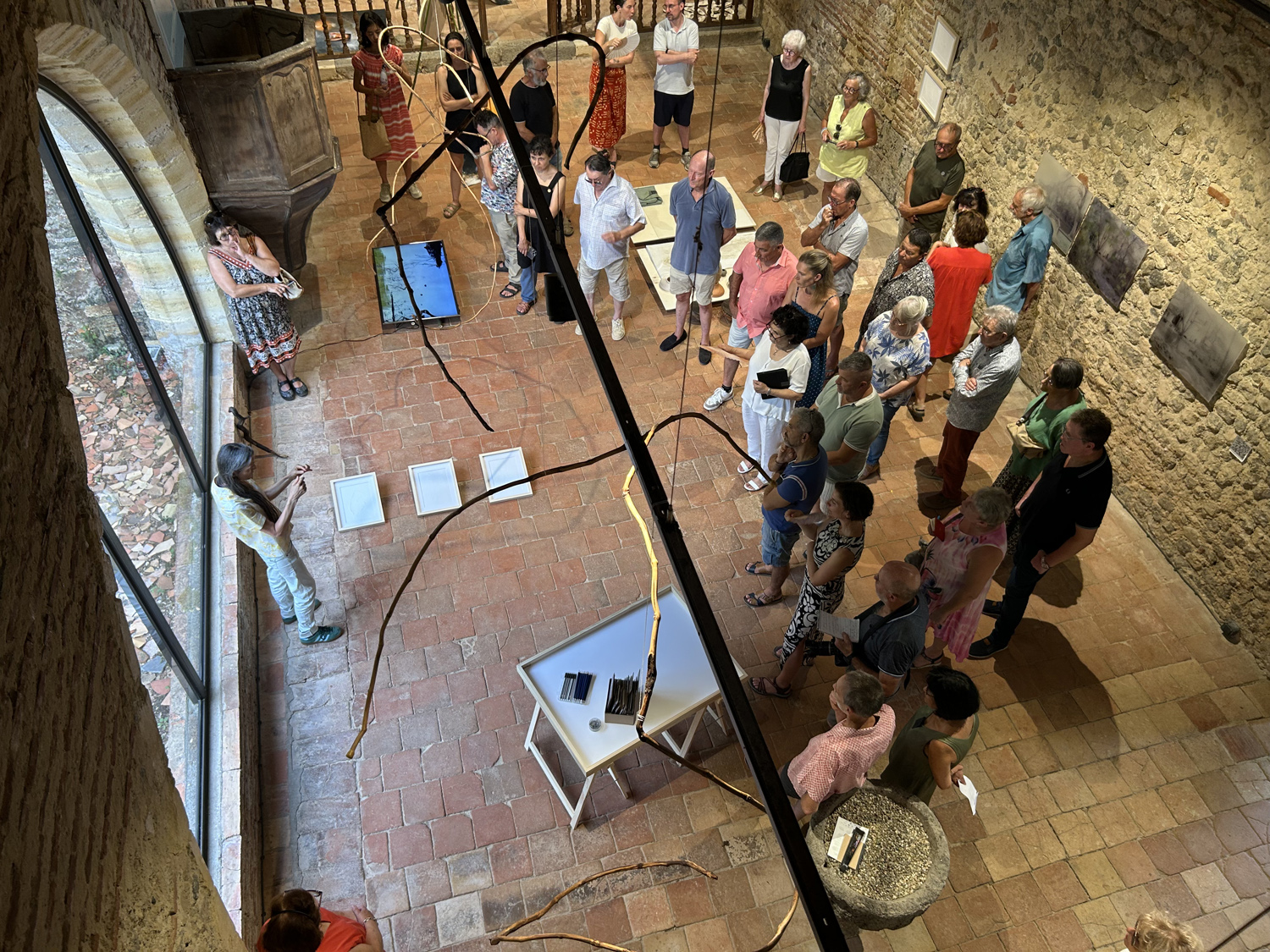
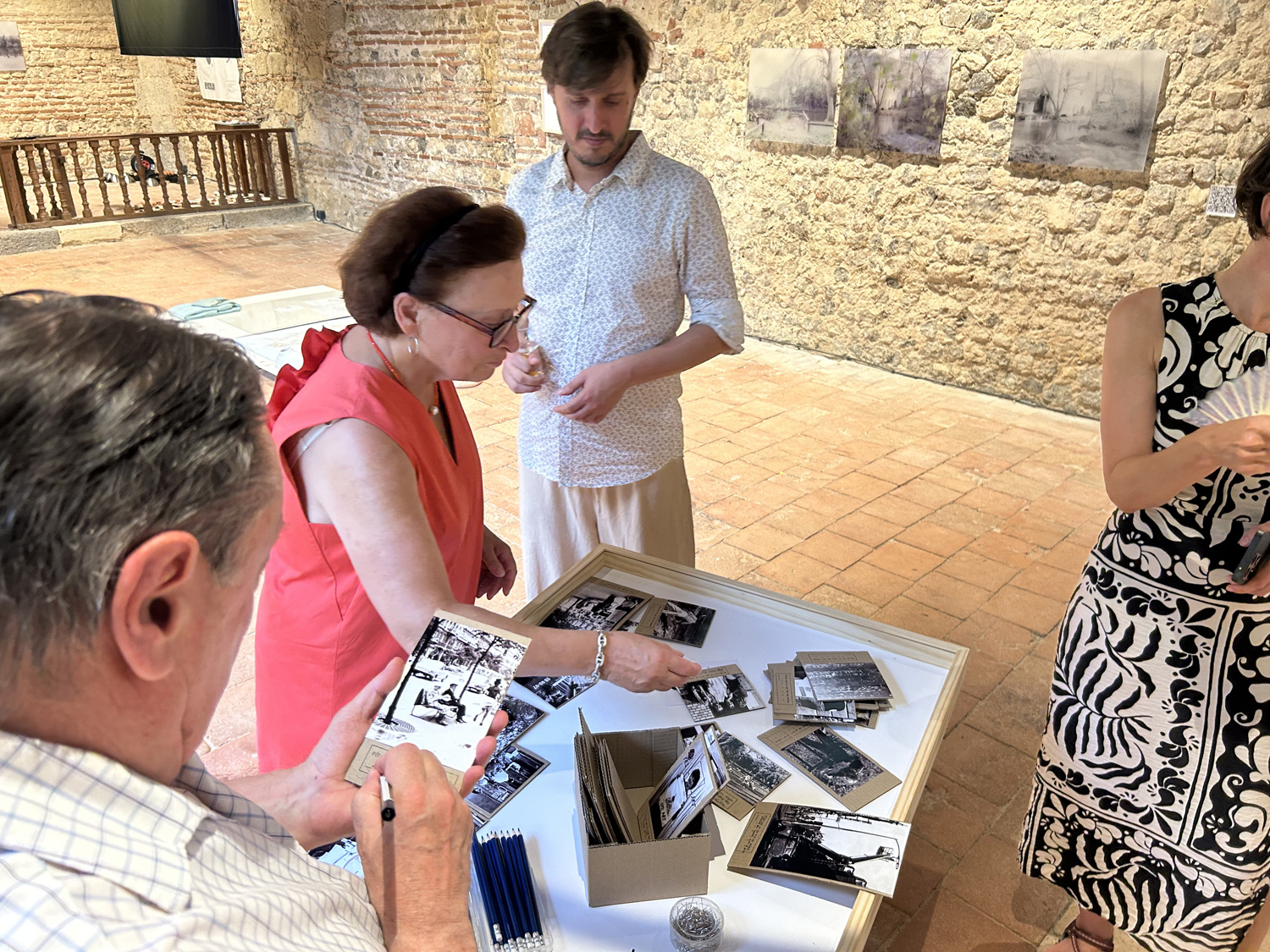
• 14 August–6 September 2026: The next Poïpoï River exhibition is held at the Église de Vignes in Puch-d’Agenais. The contemporary works shown in Szeged, which respond to the original 1976 installation, are presented here with additional elements. These include, among other items, digital reproductions of photographs mounted on cardboard that formed part of the 1976 Budapest Poïpoïdrome installation and are now held in the collection of the Museum of Fine Arts. As at the opening held at the Young Artists' Club in 1976, visitors to the exhibition are invited to reinterpret the images and to continue, in their own words and ideas, the sentence begun with a rubber stamp: “Art is what artists do…”
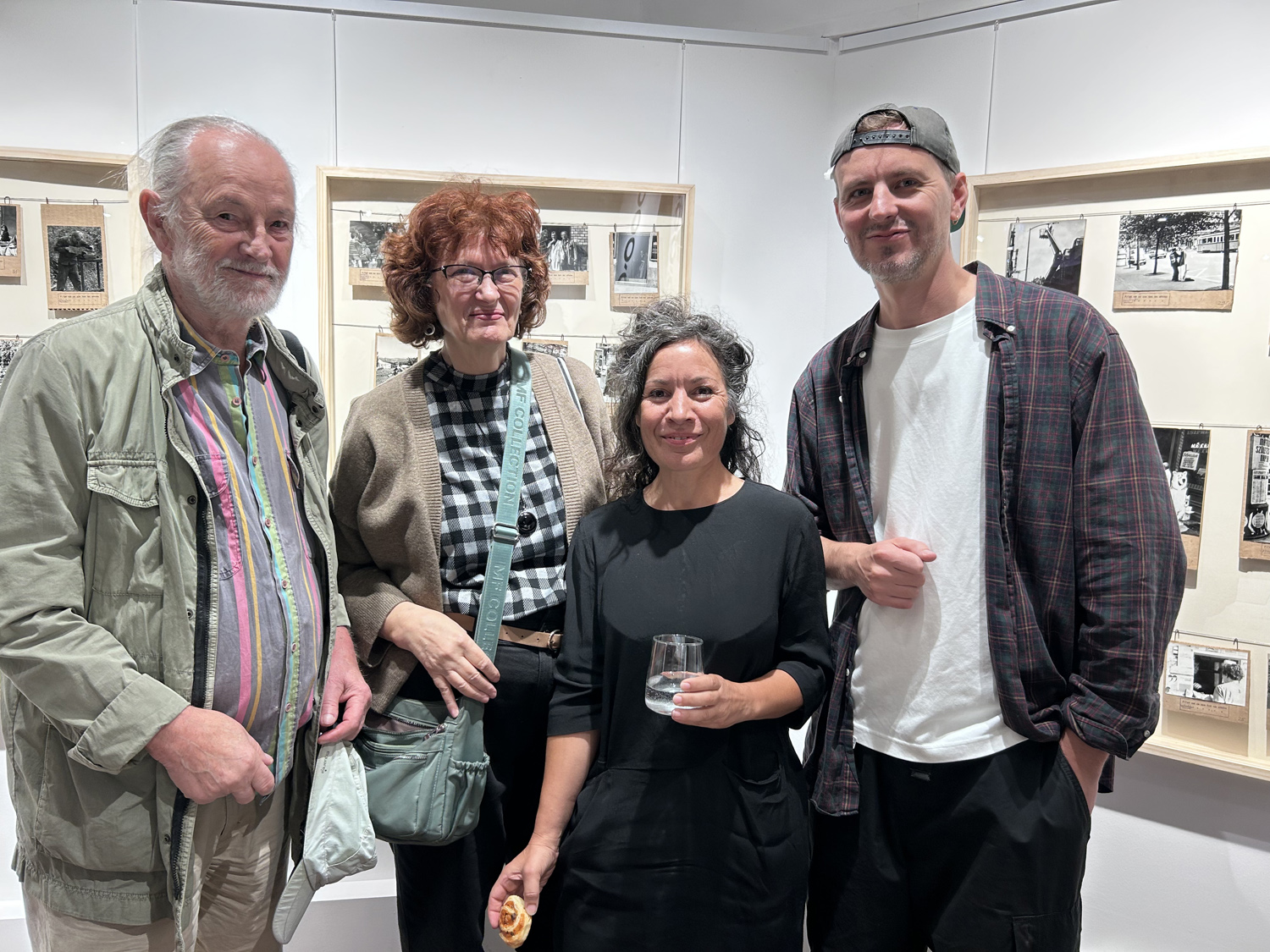
Artpool staff members Dóra Halasi and Gabriella Schuller introduced visitors to the original concept and its context.
(The exhibition's Facebook event)