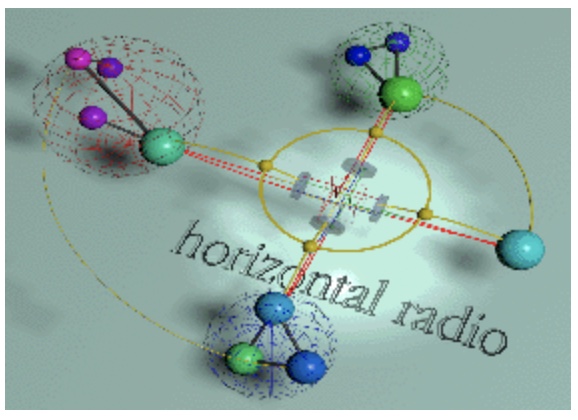
HORIZONTAL RADIO - A TELEMATIC RADIO NETWORK PROJECT
June 22–23, 1995
Thirty years ago, a 24-hour, global, simultaneous radio art and radio network event took place, called HORIZONTAL RADIO, also linked to Ars Electronica in Linz (with Bartók Radio participating on the Hungarian side).
The concept for the project, led by Heidi Grundmann (ORF Kunstradio) and Gerfrid Stocker (x-space), is available on the ISEA website (PDF)
On June 22–23, 1995, an “experimental” broadcast took place over 24 hours on 30 radio channels, featuring more than 200 artists, in collaboration with various radio stations from 24 cities across 16 countries on four continents—and it was also available to follow on the internet
(It’s 1995, long before internet radio became widespread!)
The individual channels continuously selected segments from the programming offered by the participants. Much of this consisted of live broadcasts interspersed with performances.
The locations—in the order they were broadcast—included, among others, Linz, Sydney, Melbourne, Budapest, Berlin, Rome, Sarajevo, Belgrade, London, Naples, Moscow, Madrid, Helsinki, Jerusalem, Edmonton, and Bologna.
A list of the radio stations participating in the project and their network can be viewed here:
https://www.kunstradio.at/GERFRIED/horrad/network2.html
The Hungarian partner was Bartók Radio, while the organizers and producers of the 24-hour program were the Electroacoustic Music Studio of the Hungarian Radio (HEAR Studio), led by István Szigeti, and the Artpool Art Research Center, which had previously been involved in several similar experimental network projects.
Before the start of Horizontal Radio’s broadcast at noon on June 22, István Szigeti introduced the event on Bartók Radio, then spoke briefly with György Galántai about Artpool Radio’s experimental cassette broadcasts and Artpool’s earlier similar telecommunication projects, such as the 1983 Budapest –Vienna–Berlin telephone concert, or the 1992 Danube Connection event, as well as the related exhibition Art Telecommunication Projects in the 1980s (Artpool, September 4–10, 1993) and the Artpool booklet Network Utopias. The Art of Being Everywhere, published at that time.
In addition to broadcasting excerpts from past Artpool Radio cassette programs, Artpool also presented a three-hour live broadcast during the late-night slot; this was CYBERIA.
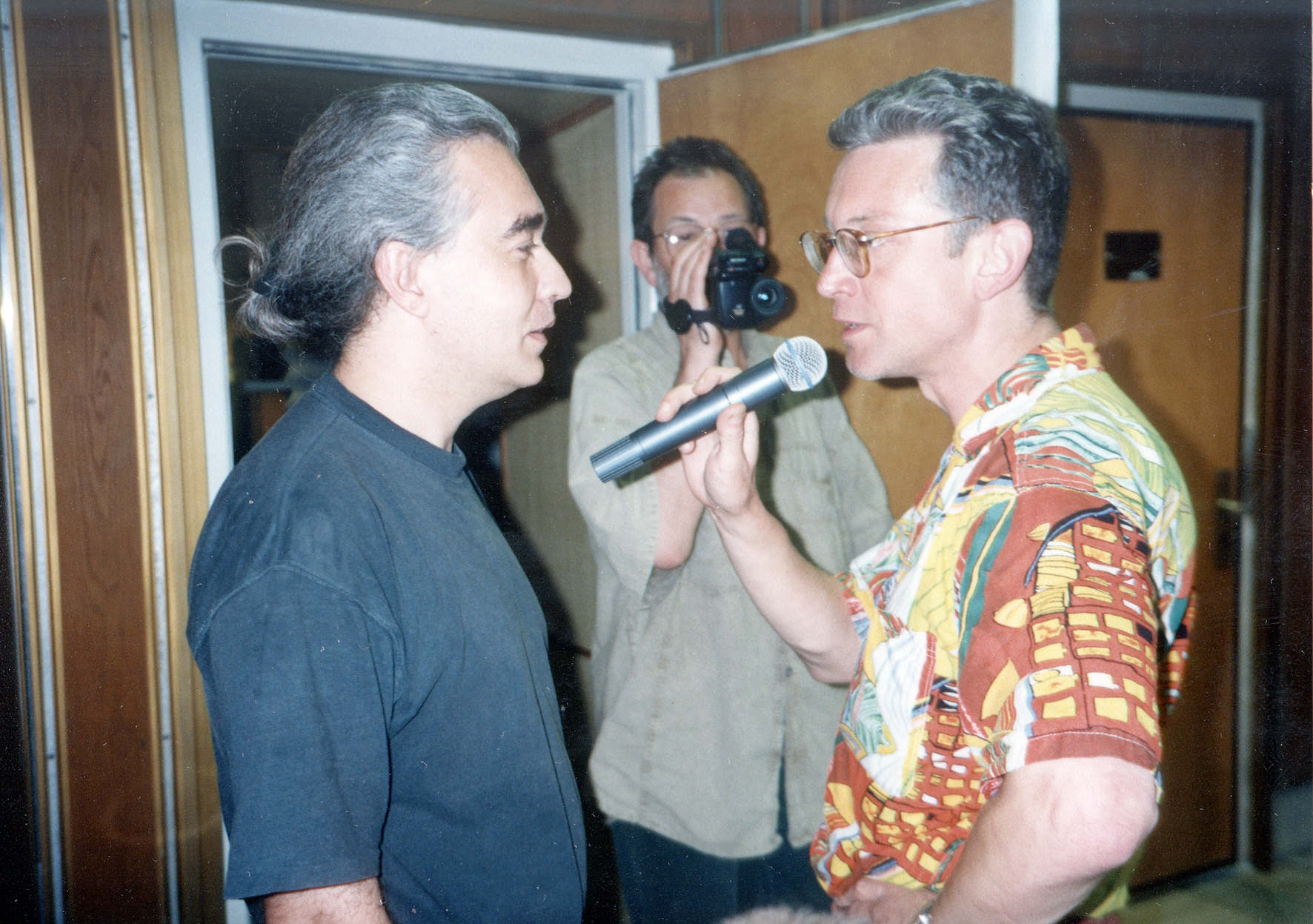
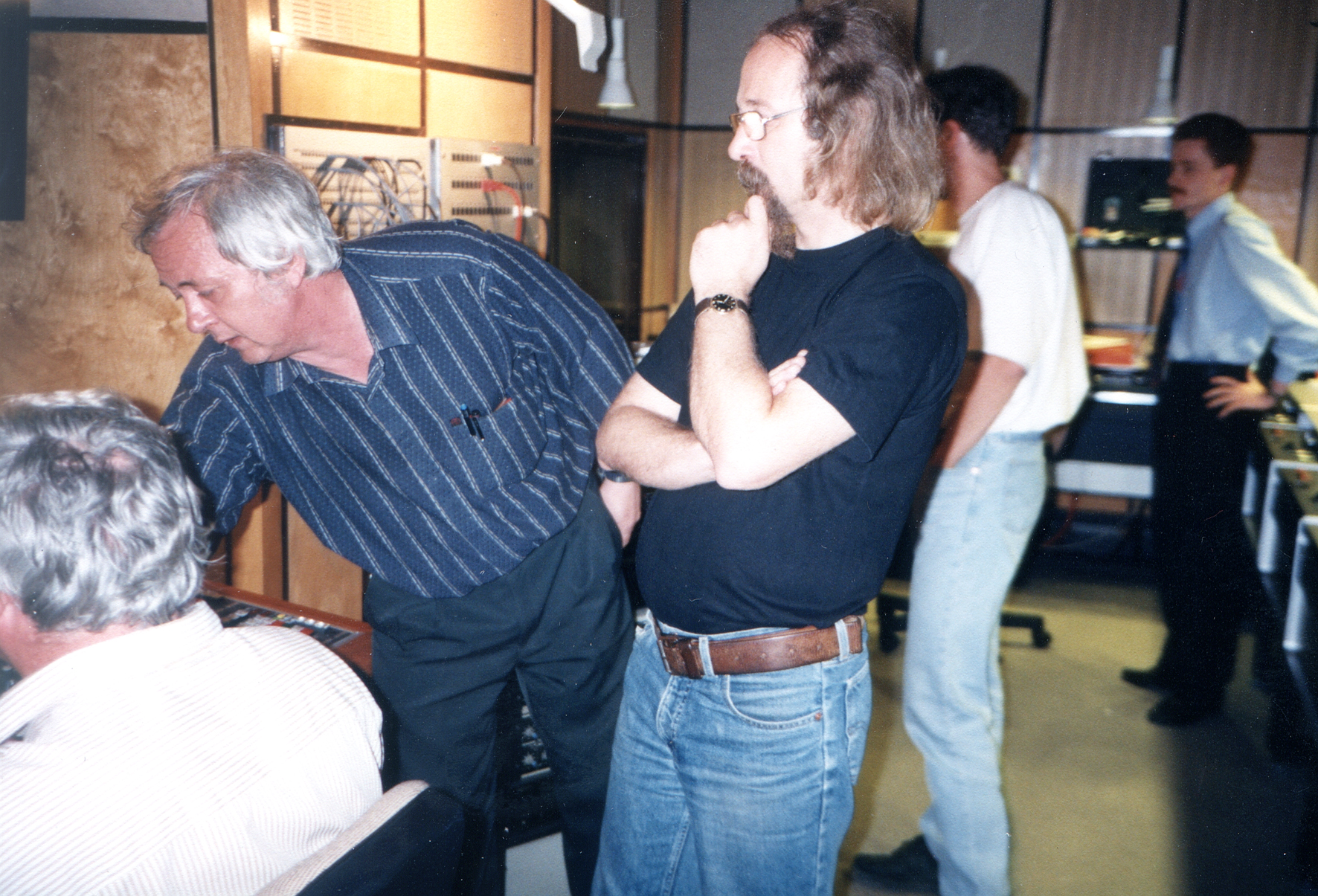
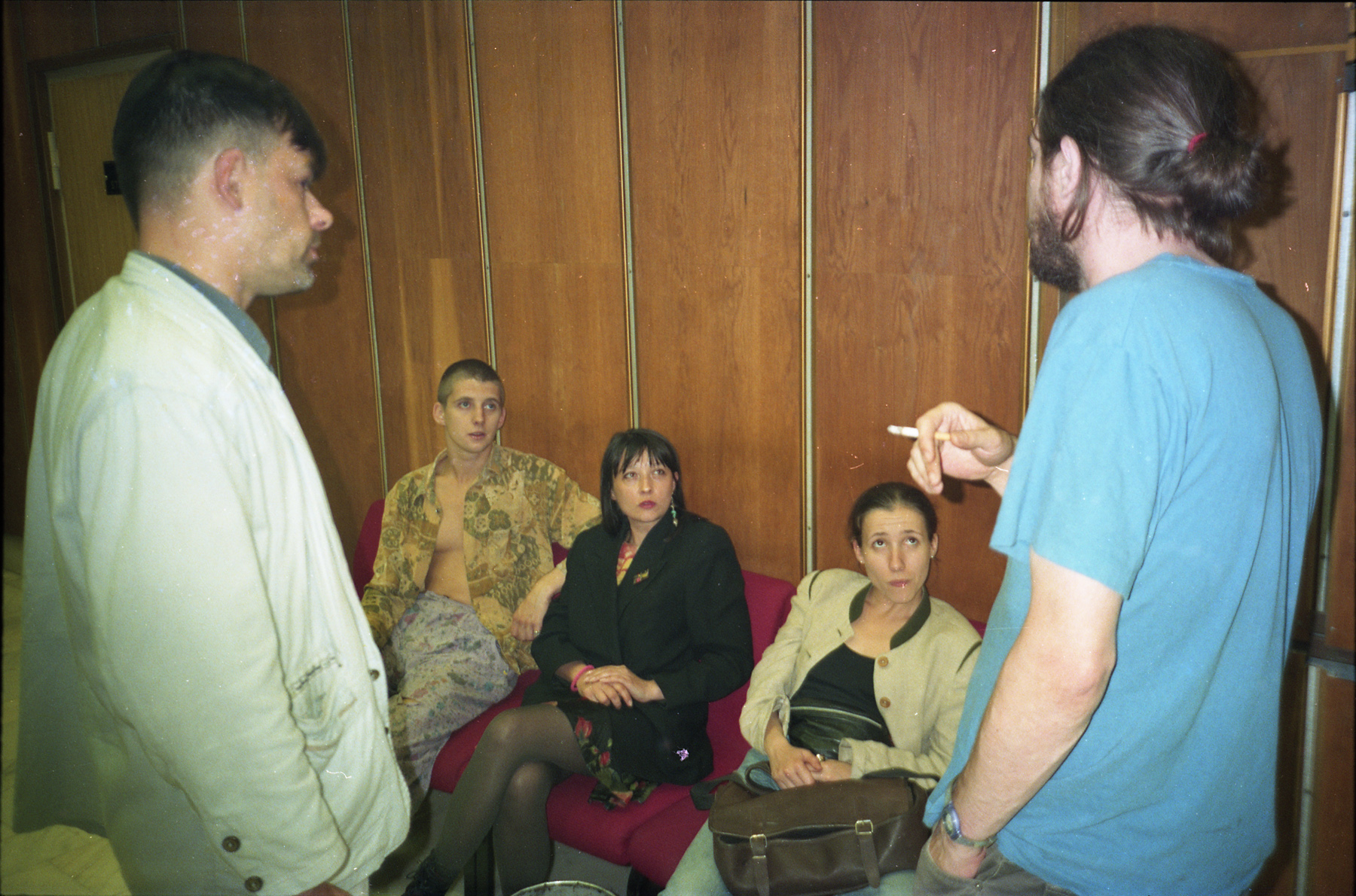
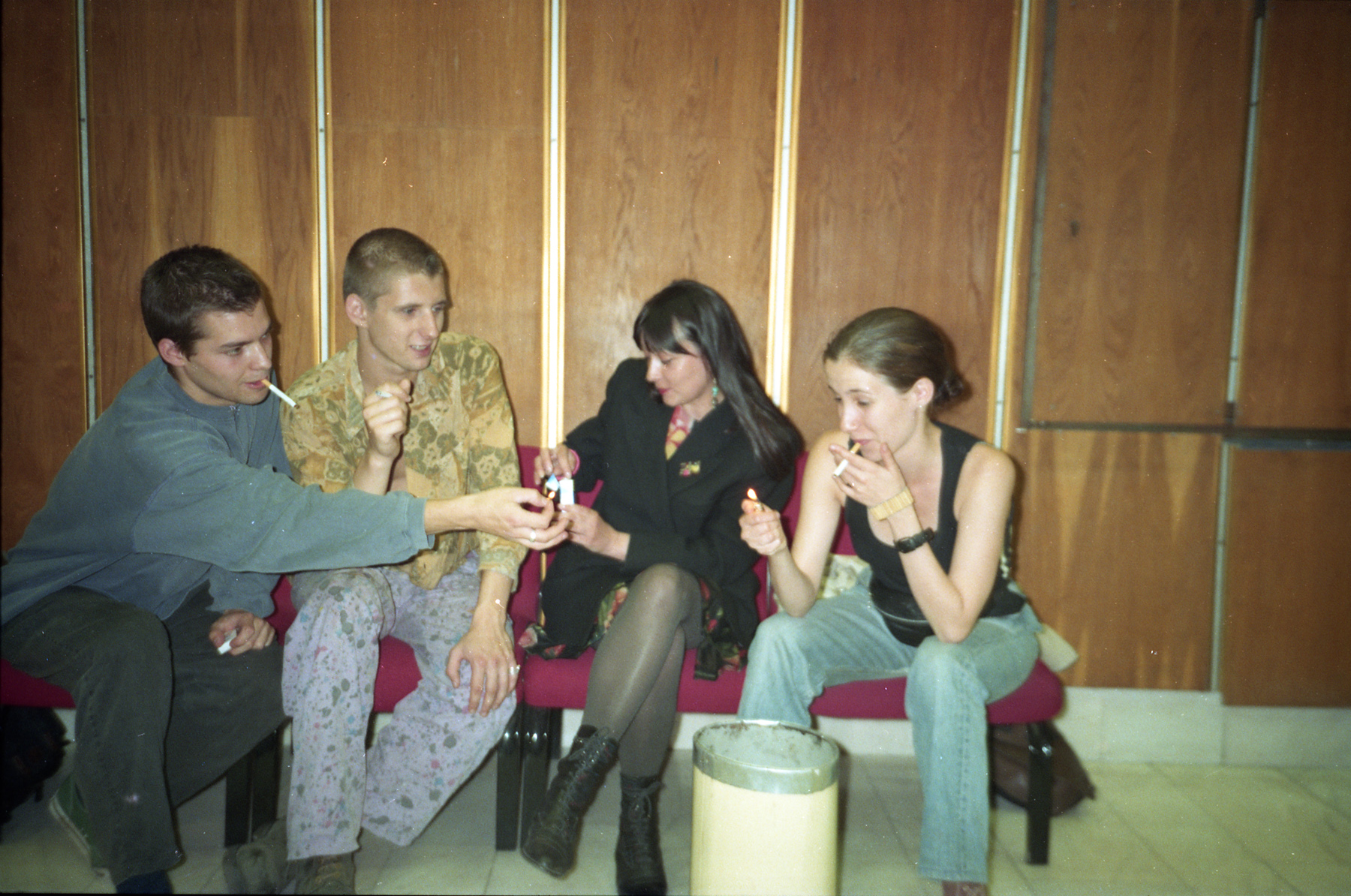
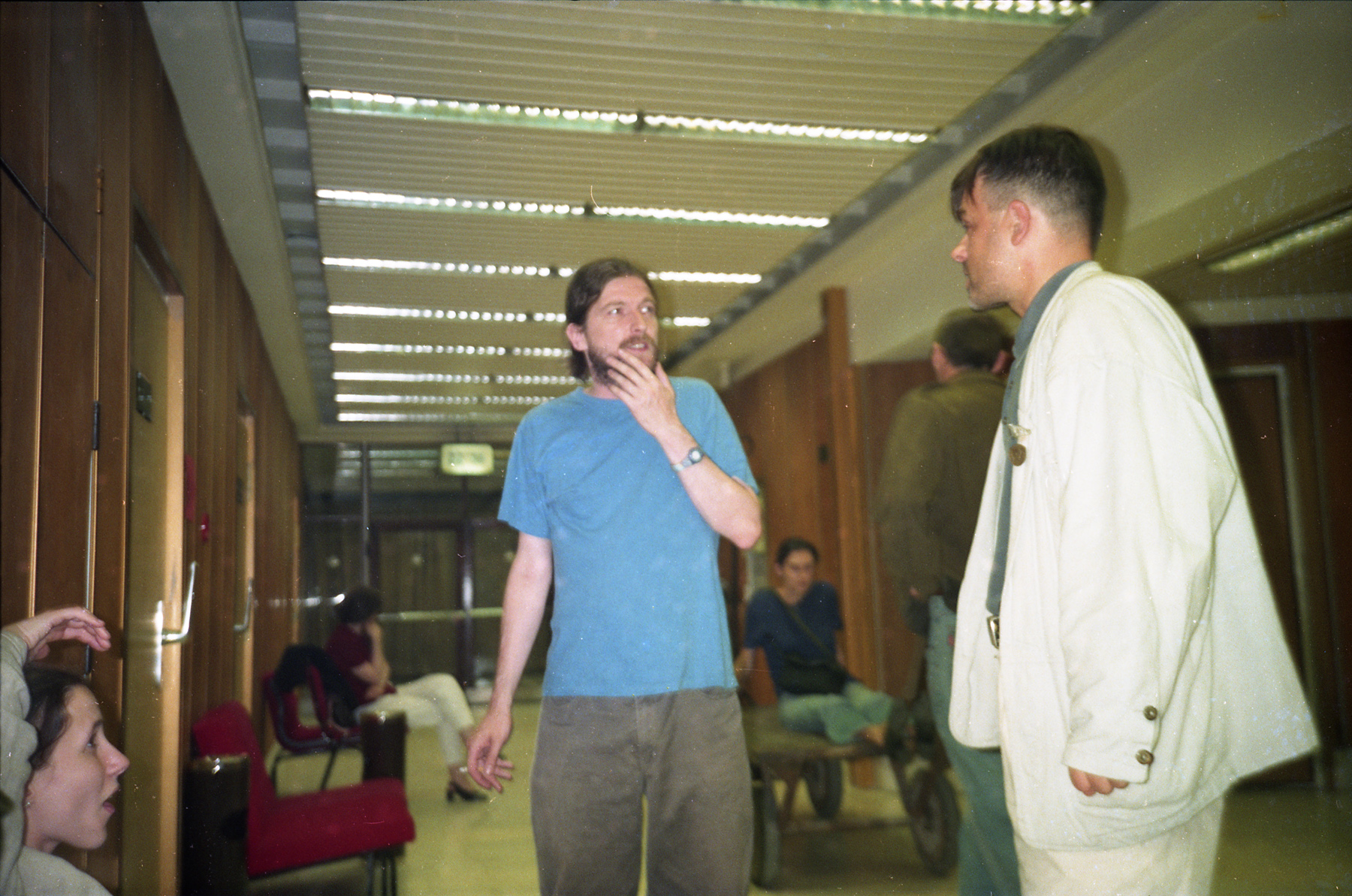
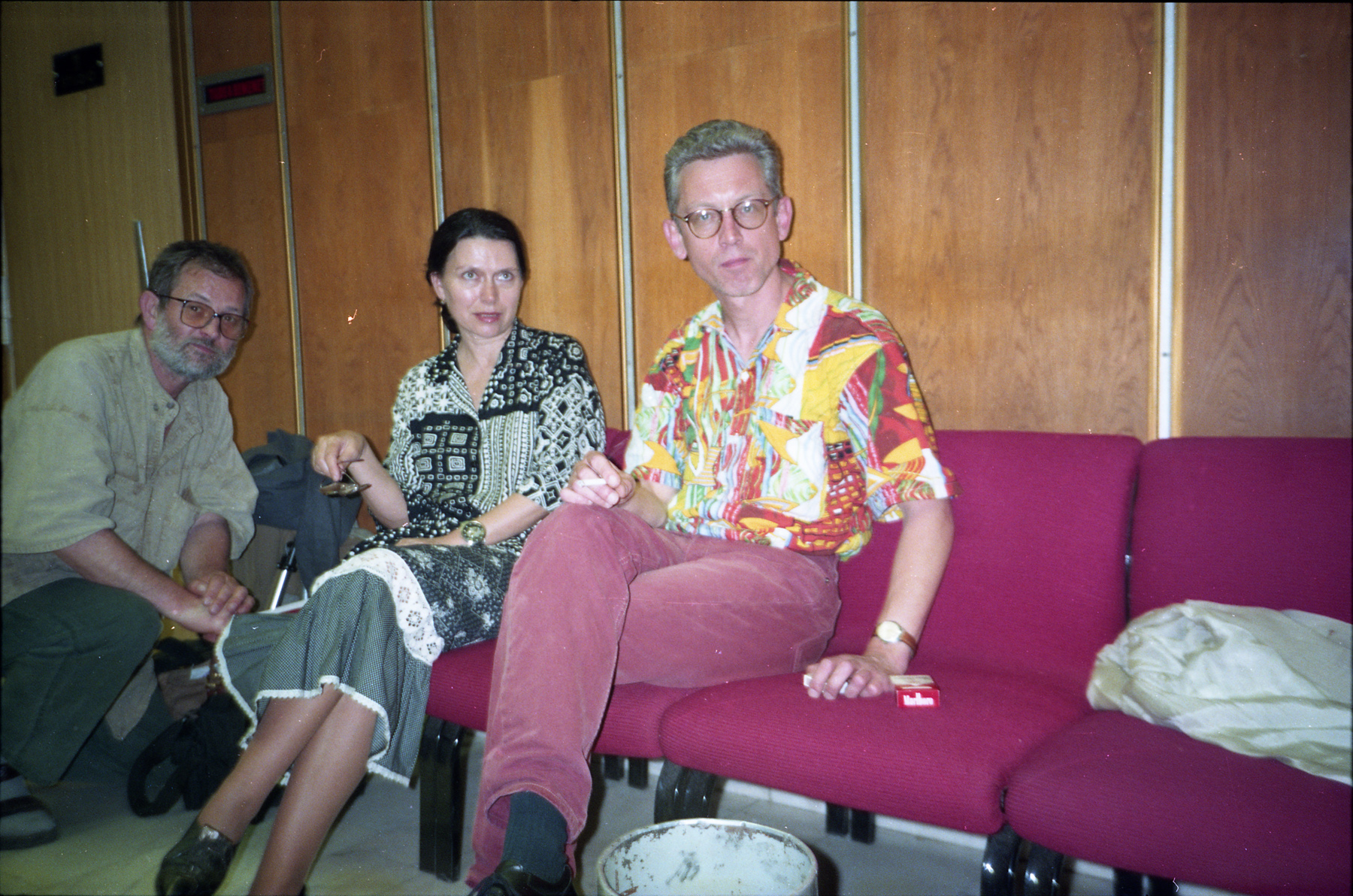
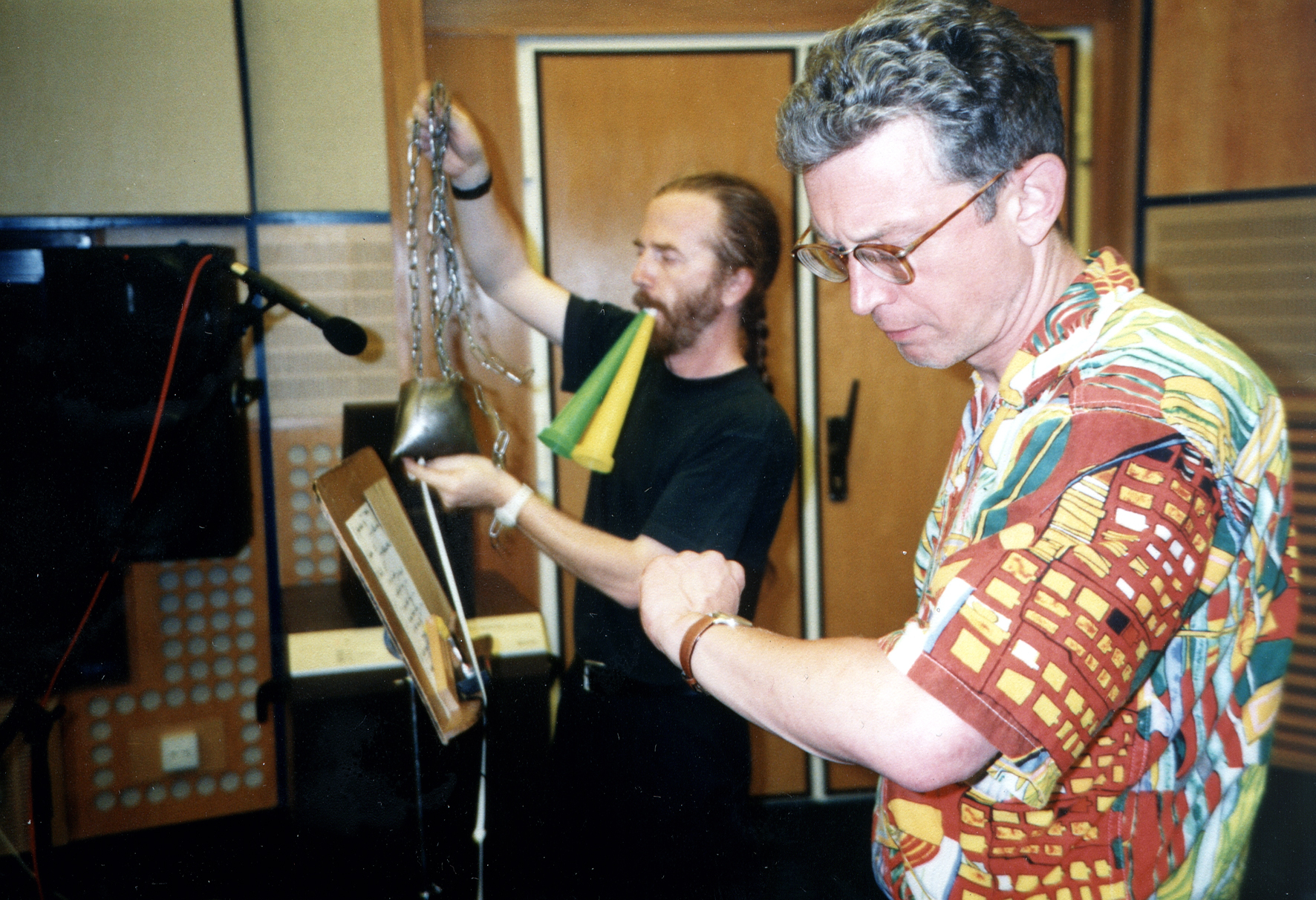
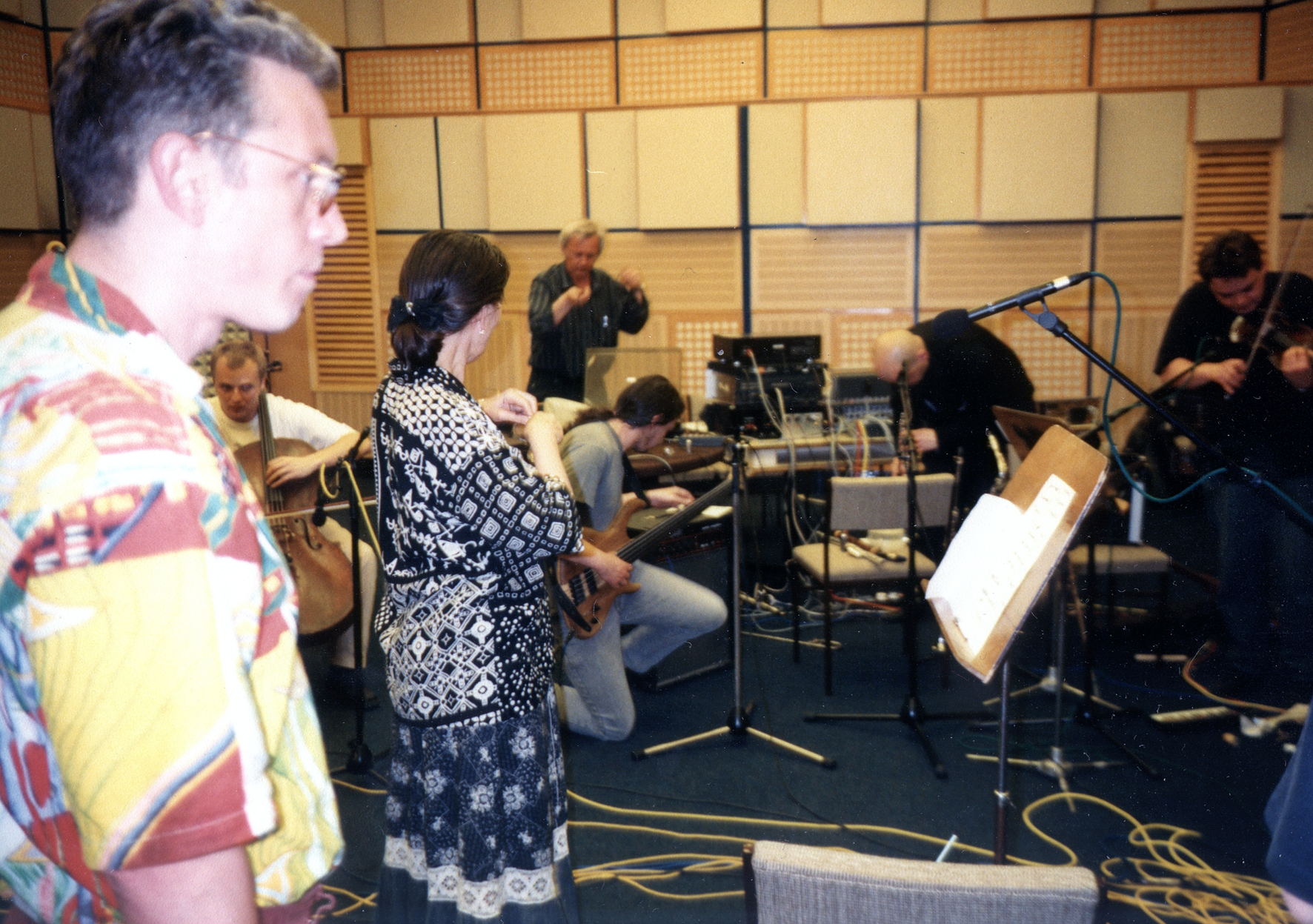
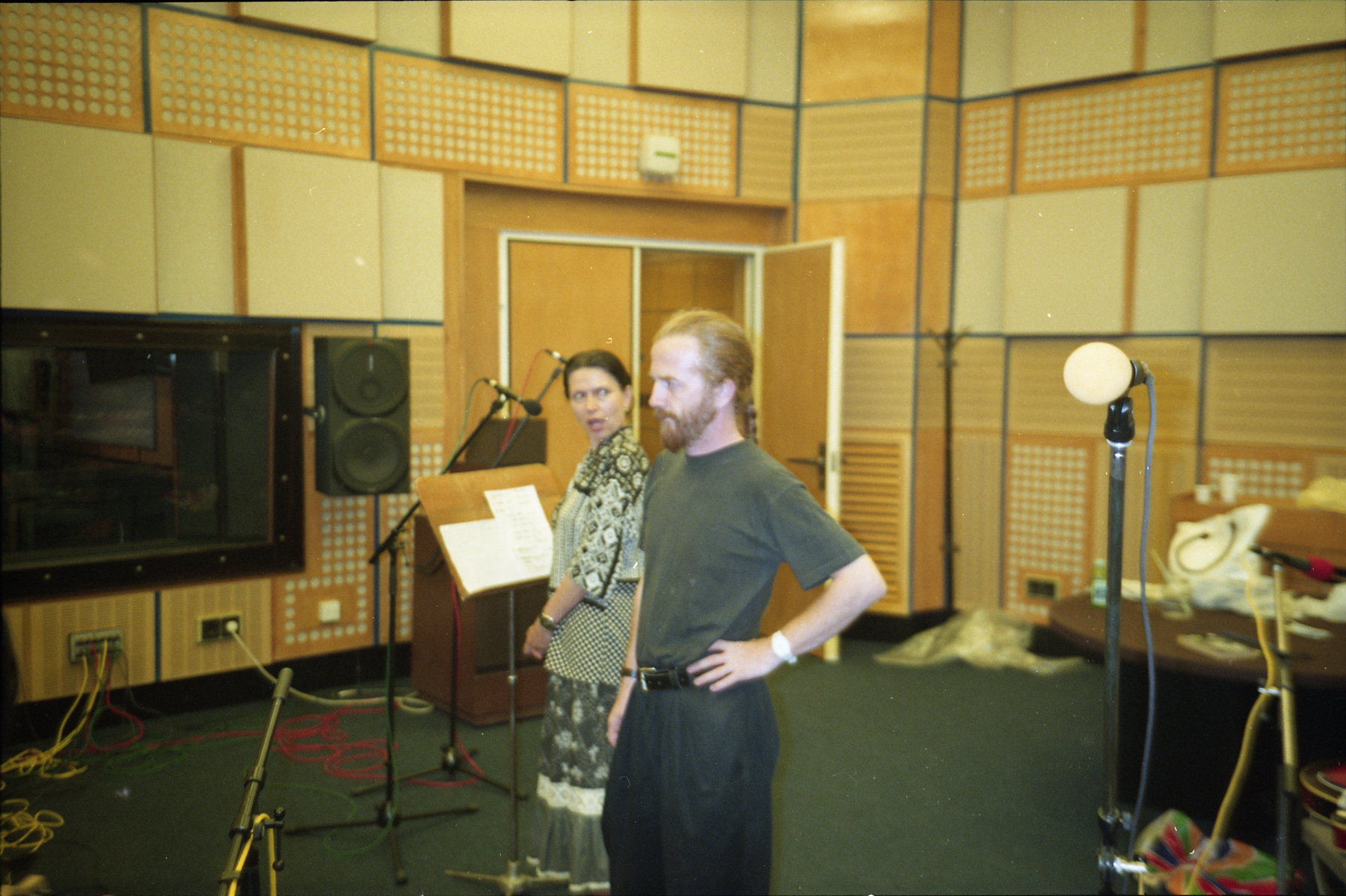
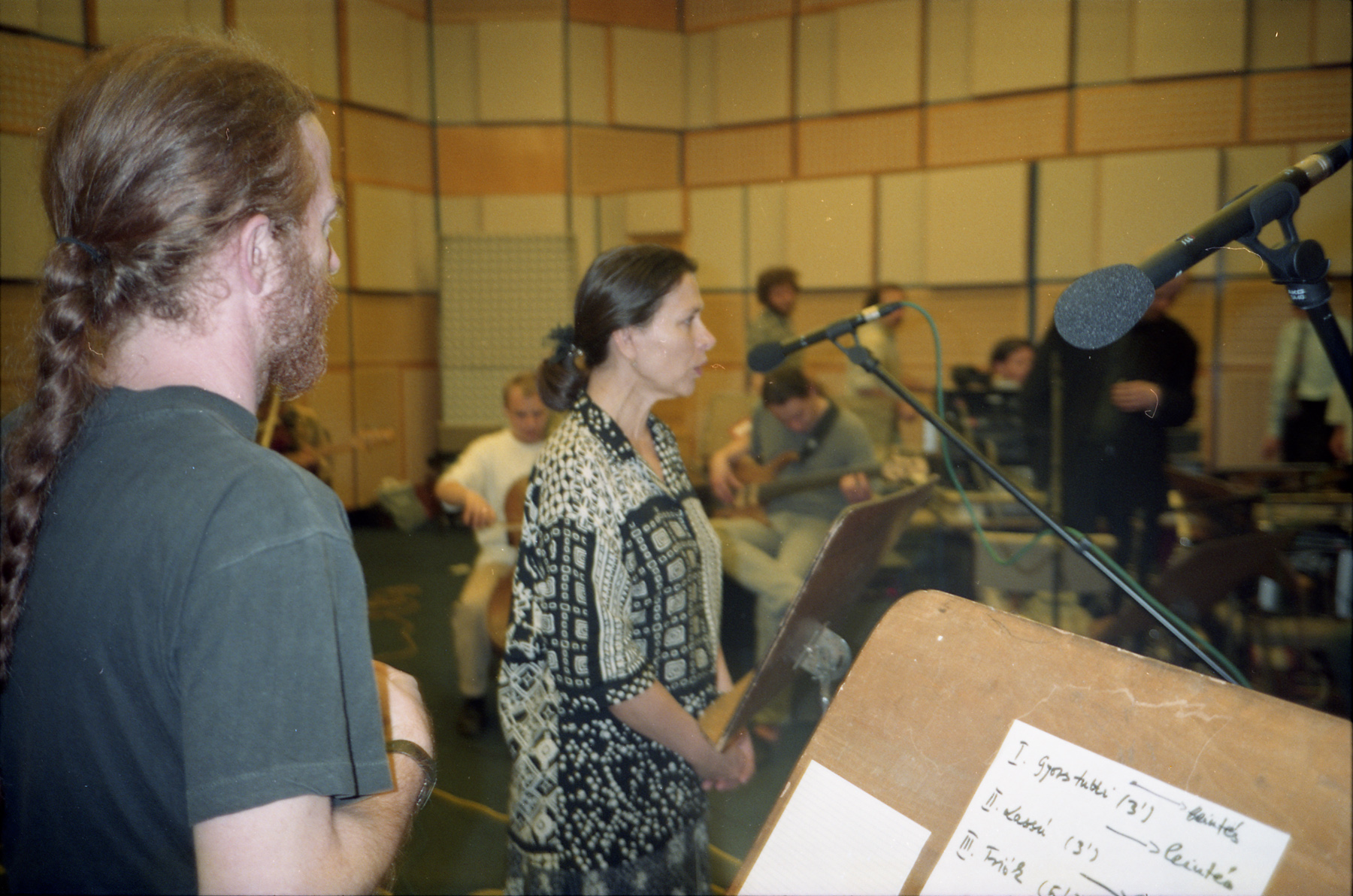
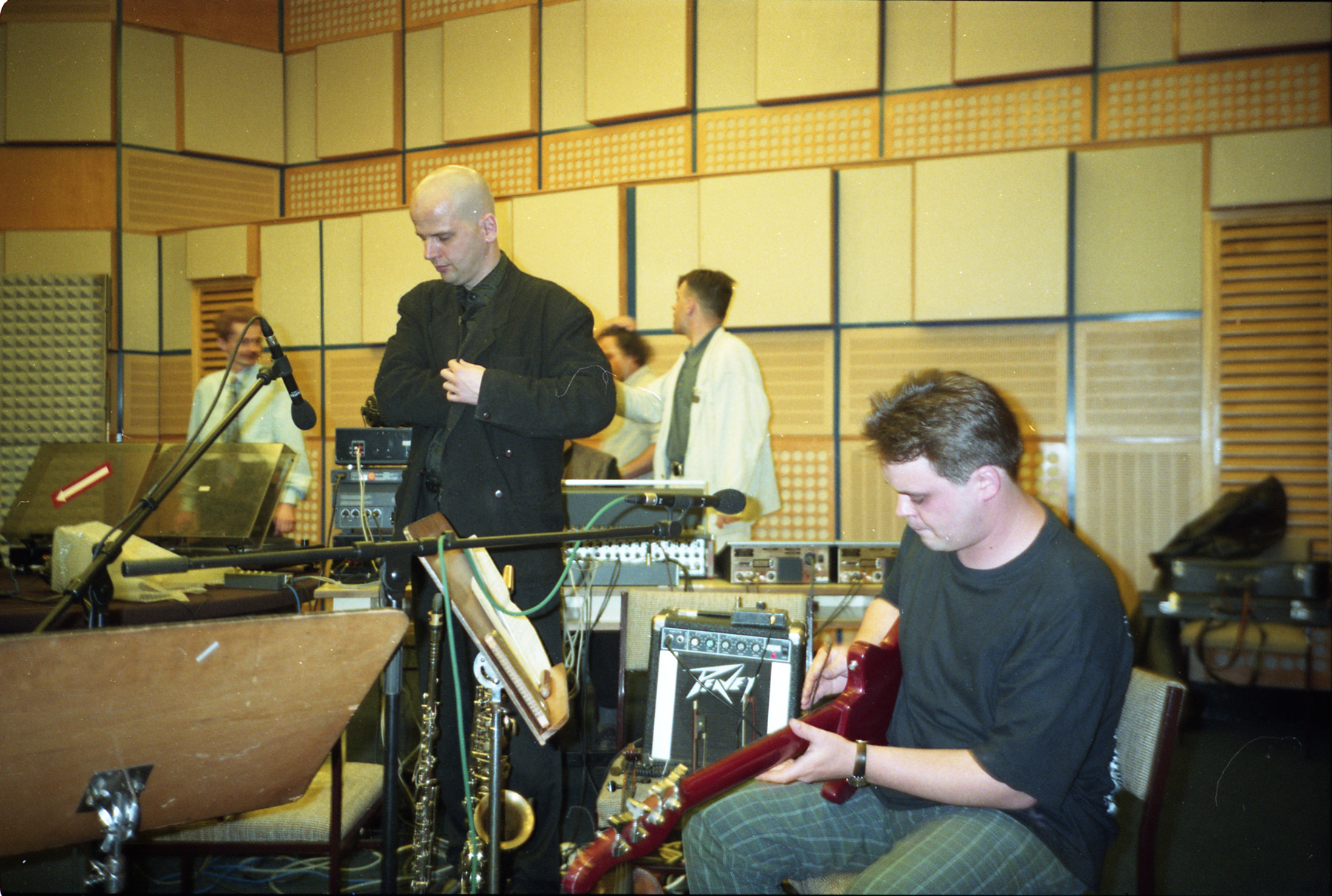
Participants: ARTPOOL (György GALÁNTAI), BALATON (Mihály VÍG, Imánuel OLÁH, and Simon WAHORN), SPIRITUS NOISTER (Endre SZKÁROSI, Csaba BESE, Atilla DÓRA, Zsolt KOVÁCS, Katalin LADIK, Zsolt SŐRÉS), KOKÓ, János MÁSIK, György BP. SZABÓ.
Via telephone: György KOZMA and János VETŐ
"Disc jockey": László LUGOSSY LUGO, moderator Gábor NÉMETH
Video and photo documentation of the event is available at Artpool.
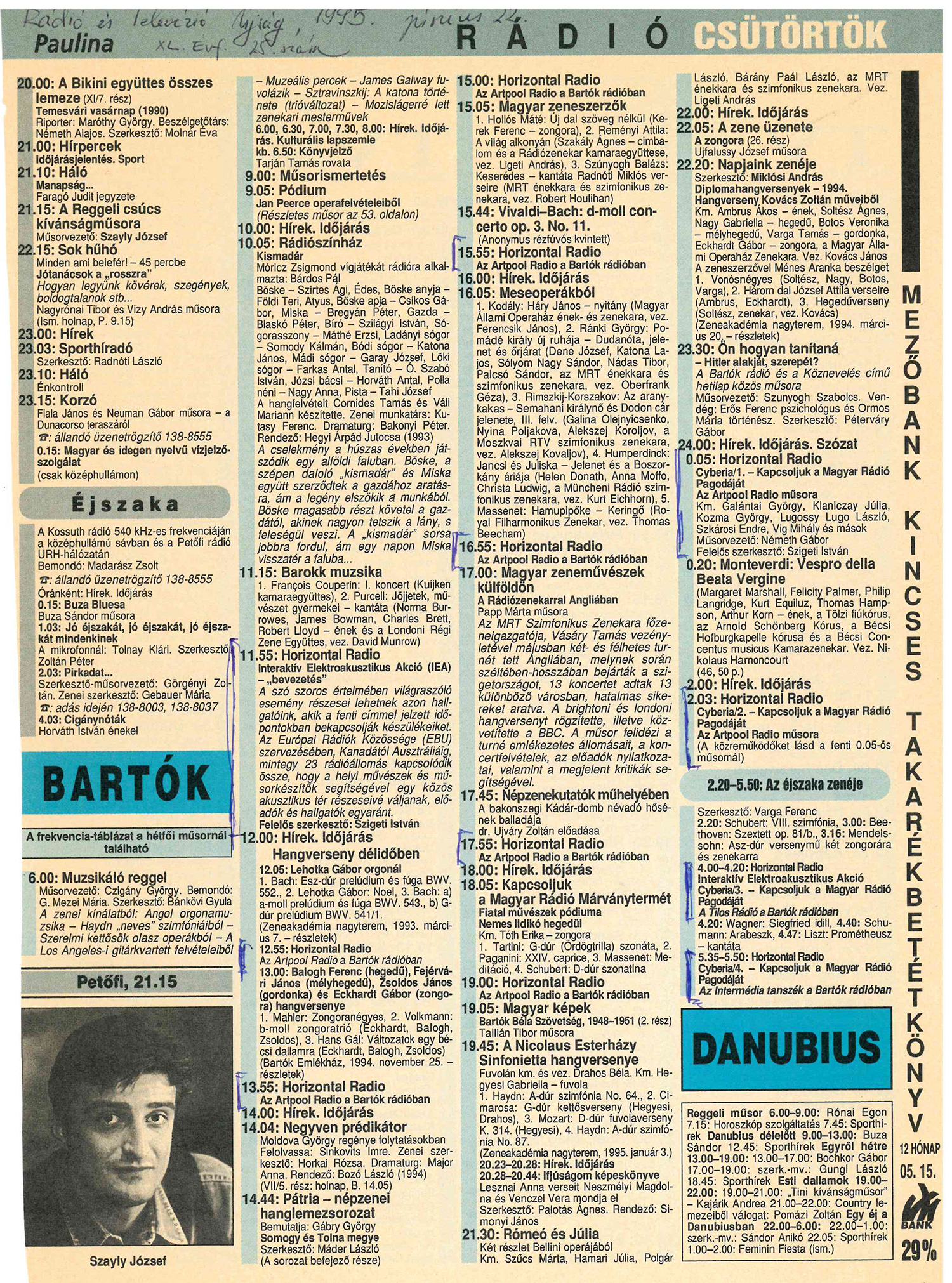
A contemporary issue of Radio and TV Magazine featuring Bartók Radio’s program from June 21, 1995
A double audio CD, curated by Rupert Huber, has been released from more than 100 hours of Horizontal Radio recordings.
Over the years, several anthologies, articles, and studies have been published that discuss the event in the context of telemedia art, networked communication, and radio art.
According to an AI-based summary of these, the Horizontal Radio project was one of the defining, networked experiments in the history of radio art.
Professional and art-historical analyses evaluate the project as a pioneering example of “radio as a living organism,” which was the first to simultaneously connect more than 20 public service and independent radio stations via the internet (World Wide Web, RealAudio). The analyses highlight that the project went beyond the reach of traditional radio stations and created a global, interactive performance space.
The project’s website from that time is still available on the site of the organizer, ORF KUNSTRADIO:
https://www.kunstradio.at/HORRAD/horrad.html
A few key anthologies on radio art available at Artpool:
- Augaitis, Daina & Dan Lander (eds.) (1994): Radio Rethink: Art, Sound and Transmission. Canada: Walter Philips Gallery.
- Grundmann, H; Zimmermann, E.; Braun, R.; Daniels, D.; Hirsch, A.; Thurmann-Jajes, A. (eds.) (2007): Re-inventing Radio – Aspects of Radio as Art. Frankfurt am Main: Revolver
- Kahn, Douglas and Gregory Whitehead (eds.) (1992): Wireless Imagination: Sound, Radio, and the Avant-garde, Massachusetts: MIT Press
- Lander, Dan & Micah Lexier (eds.) (1990): Sound by Artists. Toronto: Art Metropole and Walter Philips Gallery
For further reading on this topic available in Artpool, it is worth browsing the KEMKI online catalog, which also includes the Artpool bibliography database.
Aftermath
- Rivers & Bridges
Encouraged by the success of Horizontal Radio, the Ars Acoustica expert group of the EBU (European Broadcasting Union) decided to continue the project under the name Rivers & Bridges.
At the Budapest meeting held at Hungarian Radio from December 1–3, 1995 (to which Artpool was also invited as a partner in the Horizontal Radio project), the artistic directors of the participating radio stations asked Jocelyn Robert and János Sugár to develop the project’s concept. (For more on this, see Heidi Grundmann: Rivers & Bridges Backward Translation as a Creative Strategy, pdf) - The launch of artpool.hu
It was at this Ars Acoustica Experts’ Meeting on December 1, 1995, that Júlia Klaniczay announced the launch of artpool.hu and presented the Artpool website to the participants; it was the first Hungarian cultural website.